
What starts as a joke on a fitness feed can, within days, become a “meal prep identity.” That’s the story behind “boy kibble”, a ground-beef-and-rice bowl intentionally styled to look like pet food—then packaged with irony, macho humor, and promises of easy “gains.” In clips that rack up millions of views, creators shovel spoonfuls of the beige-and-brown mix while insisting it’s the perfect solution: high protein, cheap, and fast for busy gym schedules. The name is the point: it signals unseriousness while still performing discipline, a wink at the idea that real dedication means tolerating bland food.
The trend also lands in a cultural moment where “girl dinner” once celebrated snack plates and low-effort variety. “Boy kibble” reads like a response—less grazing, more bulking—yet it raises a serious question: when does convenience turn into nutritional tunnel vision? Dietitians watching the videos aren’t alarmed by beef and rice themselves; they’re concerned by what happens when a meme becomes an everyday template. The result is a debate about balance, fiber, micronutrients, and how social media turns food into a performance as much as fuel.
Why “Dog-Food-Inspired” Fitness Meals Like Boy Kibble Are Blowing Up Online
Scroll any fitness platform in 2026 and you’ll see the same formula: a simple bowl, a punchy label, and a creator framing it as the “only” meal you need between work and the gym. Boy kibble is the cleanest version of this: ground beef + white rice, sometimes upgraded with avocado, shredded cheese, edamame, or seasoning packets.
To make the trend tangible, imagine Jay, a 24-year-old beginner lifter who cooks once a day after his shift. He tries boy kibble because it’s predictable—no recipes, no chopping, no decision fatigue. And once his “what I eat to hit protein” video performs well, the bowl becomes content, not just dinner. The insight: virality rewards meals that are repeatable and easy to film.
“Girl dinner” leaned into snack-plate freedom—mixing cheese, fruit, nuts, dips, and leftovers. “Boy kibble” flips the script: a single bowl presented as stoic efficiency, almost a parody of hyper-masculine gym culture. That “cutesy” branding is not accidental; it softens the seriousness of restrictive eating while keeping the audience entertained.
But the name also hides a risk: when a meal is framed as a meme, it becomes harder to critique without sounding like you “don’t get the joke.” The key takeaway is that humor can make repetition feel harmless, even when nutrition needs variety.
What Experts Say About Ground Beef and White Rice as a Fitness Staple
Dietitians generally agree on the core point: beef and rice can fit into a training diet because they provide macronutrients that support performance. You’re getting protein from the meat and carbohydrates from the rice—useful around workouts when energy demands rise.
Where professionals push back is the “end of story” framing. A body doesn’t build strength from protein alone; it also relies on calcium, vitamin D, hydration, and recovery. The meal works best as a base, not a ceiling—especially for people whose feeds normalize eating it daily.
What’s missing when the bowl stays too simple
The original recipe is light on key “supporting” nutrients. Most notably, it lacks the fiber that typically comes from non-starchy vegetables, legumes, fruit, and whole grains. In practice, that can mean slower digestion, less satiety, and a diet that’s harder to maintain without snacking.
It’s also thin on calcium, which matters for more than bones—muscle contraction and training adaptations depend on it. If the goal is to lift heavier over time, it’s worth pairing the bowl with calcium sources rather than treating dairy or fortified alternatives as optional.
How to Upgrade Boy Kibble Without Losing the “Quick Meal Prep” Appeal
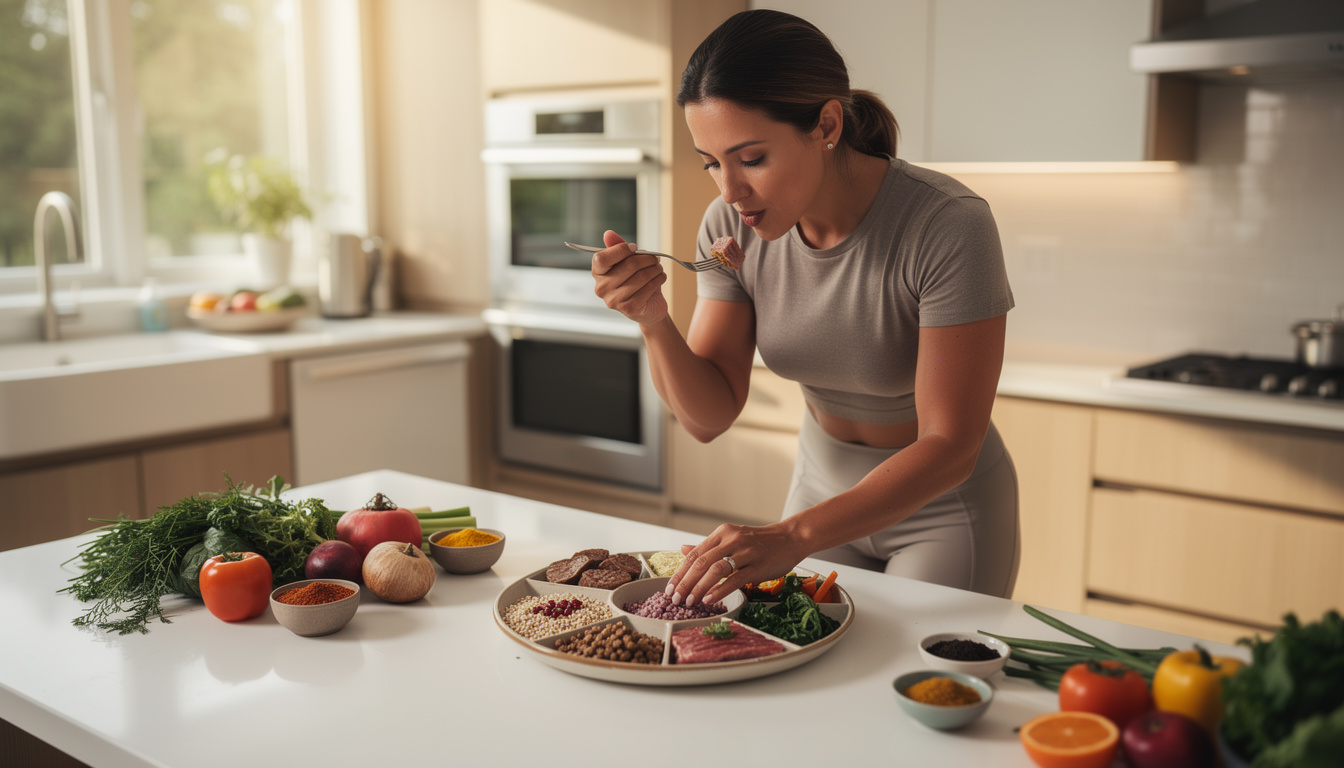
The most effective improvements keep the same structure—protein + carb—while adding what the trend tends to omit: color, fiber, and micronutrients. For Jay, the easiest shift was buying frozen vegetables and mixing them directly into the pan, so the “extra step” is basically opening a bag.
Small changes also protect the meal from becoming psychologically exhausting. When the bowl tastes slightly different from day to day, you’re less likely to swing between rigid adherence and burnout. The insight: sustainability beats purity in real-world fitness routines.
Practical add-ons that keep it balanced
- Non-starchy vegetables: zucchini, peppers, carrots, spinach, broccoli (fresh or frozen).
- Fiber upgrades: swap some or all white rice for brown rice or a multigrain rice blend.
- Calcium support: shredded cheese, yogurt-based sauce, a glass of milk, or fortified alternatives.
- Protein variety: rotate beef with chicken, turkey, fish, or lean pork to broaden micronutrients.
- Flavor without chaos: garlic, cumin, paprika, salsa, or a low-sugar teriyaki—consistency matters.
These tweaks preserve the original promise—fast and filling—while making the bowl more nutritionally complete. The key is to keep the “default” meal flexible rather than fixed.
Nutrition Reality Check: Variety Matters More Than Viral Meal Plans
Eating the same beef-and-rice combo occasionally is not the issue. The concern starts when creators present it as an everyday ritual—sometimes even multiple times daily—because repetition can crowd out foods that deliver vitamin A, vitamin D, and other micronutrients typically found in fruits, vegetables, and whole grains.
And nutrition is personal. Some people limit red meat for health reasons, religious practice, or medical guidance. Others simply don’t enjoy it—and forcing down a meme meal for “discipline points” often backfires. A sustainable fitness diet is one you can live with on your busiest week, not just the week you feel motivated.
| Meal version | What it does well | Common gaps | Fast fix |
|---|---|---|---|
| Classic boy kibble (ground beef + white rice) | Protein + carbs for training fuel; cheap; easy to batch cook | Low fiber, limited micronutrient range, minimal calcium | Add a frozen veg mix + pair with dairy/fortified drink |
| Fiber-forward kibble (beef + brown/multigrain rice) | More satiety; steadier digestion | Still can lack vegetables if skipped | Stir in peppers/spinach; top with salsa |
| Balanced rotation bowl (protein rotation + rice + veg) | Better micronutrient coverage through variety | Requires a tiny bit more planning | Plan 2 proteins/week; keep veggies frozen for speed |
The debate around dog-food-inspired fitness cuisine ultimately isn’t about shaming a simple bowl—it’s about reminding people that fitness progress is multi-factorial, and a viral meal shouldn’t replace a well-rounded pattern of eating.