Exercise Brain Benefits Science: BDNF, Memory, and Dose

Exercise Brain Benefits Science: BDNF, Memory, and Dose

The short answer: exercise brain benefits science is real, but the popular version is too tidy. Acute exercise often raises peripheral BDNF, and regular training can improve working memory, processing speed, and executive function in some groups. Still, the effect sizes are usually modest, study methods are messy, and a blood BDNF spike is not …

Menopause Muscle Loss: What Estrogen Means for Strength

Menopause Muscle Loss: What Estrogen Means for Strength

Menopause muscle loss is a real pattern, not a motivational failure. As estrogen falls, many women see a faster drop in muscle mass, strength, and recovery, especially around the transition into postmenopause. The good news is practical: resistance training remains the main tool, while higher protein intake and creatine monohydrate appear to add modest benefits. …

Muscle Memory Science: Why Regaining Size Gets Faster Again

Muscle Memory Science: Why Regaining Size Gets Faster Again

Muscle memory science is real, but not in the cartoon version where old gains sit there waiting forever. The strongest takeaway from 2022-2024 research is simpler: people who have trained before often regain muscle and strength faster after a layoff, and two plausible mechanisms keep showing up in the literature, retained myonuclei and persistent epigenetic …

Cold Plunge Benefits Science: What Peer Review Supports Now

Cold Plunge Benefits Science: What Peer Review Supports Now

Cold plunge benefits science is a lot less magical than social media makes it sound. The research supports one main use: you may feel less sore and more recovered, especially after hard endurance work or tournament-style schedules. It does not reliably make you stronger, leaner, or more resilient on its own. And if you use …

Grip Strength Longevity: Why Doctors Still Measure It

Grip Strength Longevity: Why Doctors Still Measure It

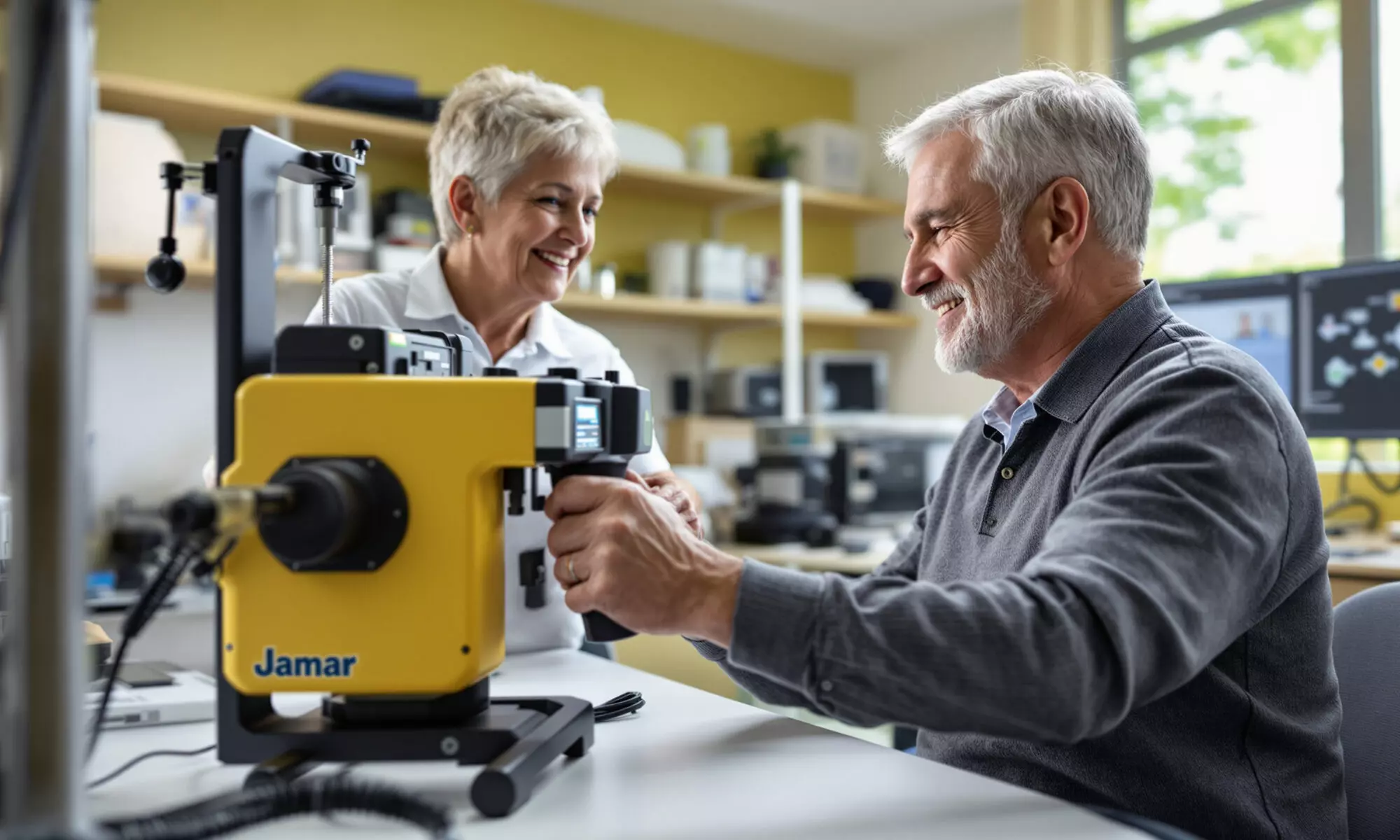
Grip strength longevity is not a gimmick. A simple handgrip test is one of the quickest ways clinicians can screen for frailty, probable sarcopenia, and future loss of independence, especially in older adults. It also shows up repeatedly in cohort research as a marker linked with mortality risk. The key nuance is this: grip strength …

Adventure Fitness: Training for Travel and the Outdoors

Adventure Fitness: Training for Travel and the Outdoors

Adventure fitness training means preparing for the real demands of travel and outdoor activity: long walking days, uneven ground, stairs, pack weight, heat, and limited recovery. For most people, that means three things first: build aerobic capacity, get stronger under load, and practice the exact movement patterns your trip will demand. Fancy methods come later. …

Student Athletes: Balancing Training, Study and Career

Student Athletes: Balancing Training, Study and Career

Good student athlete training is mostly load management. You need enough hard work to improve, enough food and sleep to recover, and enough scheduling discipline that sport, classes, and early career work don’t start competing for the same limited energy. For most student athletes, the winning formula is simple: keep 2 to 4 key training …

Cross-Training for Lifters: Lessons from Other Sports

Cross-Training for Lifters: Lessons from Other Sports

The main cross training benefits for lifters are simple: you can improve explosiveness, joint control, movement options, and work capacity without adding more barbell fatigue. Done in small doses, cross-training usually helps more than it hurts. The catch is exercise selection and dosage. A weekly dunk session, acro class, or Zone 2 ride can sharpen …