
You know that feeling when you’re lying awake at three in the morning, mentally rehearsing tomorrow’s presentation while simultaneously wondering if you remembered to pay the electricity bill? Your shoulders are somewhere up near your ears, your jaw is clenched tight enough to crack walnuts, and there’s this persistent knot in your stomach that’s been your unwelcome companion for weeks now.
Stress has this sneaky way of becoming our default setting. We wear it like an uncomfortable jumper we’ve forgotten we’re even wearing. The thing is, our bodies weren’t designed to live in this constant state of high alert. When stress becomes chronic, it starts affecting everything from our sleep patterns to our digestion, our mood to our immune system.
Here’s where movement comes in, and I’m not talking about training for a marathon or spending two hours at the gym every day. Exercise, in whatever form speaks to you, offers one of the most accessible and scientifically supported ways to manage stress and reclaim a sense of calm. Whether you’ve got ten minutes or an hour, whether you’re a seasoned athlete or someone who hasn’t moved intentionally in years, there’s a way to use physical activity as your personal reset button.
Understanding the Stress-Exercise Connection
When we’re stressed, our bodies release cortisol, the hormone that’s brilliant in short bursts but problematic when it overstays its welcome. Chronic stress keeps cortisol levels elevated, which can lead to weight gain around the midsection, disrupted sleep, difficulty concentrating, and that constant feeling of being on edge. Your muscles tense up, particularly around your neck and shoulders. Your breathing becomes shallow. Your heart rate stays elevated even when you’re supposedly relaxing on the sofa.
Exercise interrupts this cycle in several fascinating ways. When you move your body, you’re essentially giving it a controlled form of stress. Your heart rate increases, you breathe more deeply, your muscles engage. The beautiful part is that this kind of stress actually helps your body practise its stress response. You’re teaching it to return to baseline more efficiently.
During and after exercise, your brain releases endorphins, those feel-good chemicals that act as natural painkillers and mood elevators. But that’s only part of the story. Movement also reduces the levels of stress hormones like adrenaline and cortisol. It increases the production of neurotransmitters like serotonin and dopamine, which help regulate mood and promote feelings of wellbeing.
There’s also the sleep factor. Regular physical activity helps you fall asleep faster and deepens your sleep, which is when your body does most of its repair work and your brain processes the day’s events. Better sleep means better stress management, which means better sleep. It’s a positive cycle worth getting into.
Perhaps one of the most underrated benefits is the mental clarity that comes from movement. When you’re focused on your breathing, your form, or simply putting one foot in front of the other, your mind gets a break from its usual worry spiral. That mental space often leads to fresh perspectives and creative solutions to problems that seemed insurmountable while you were sitting at your desk.
Practical Exercise Strategies for Stress Management
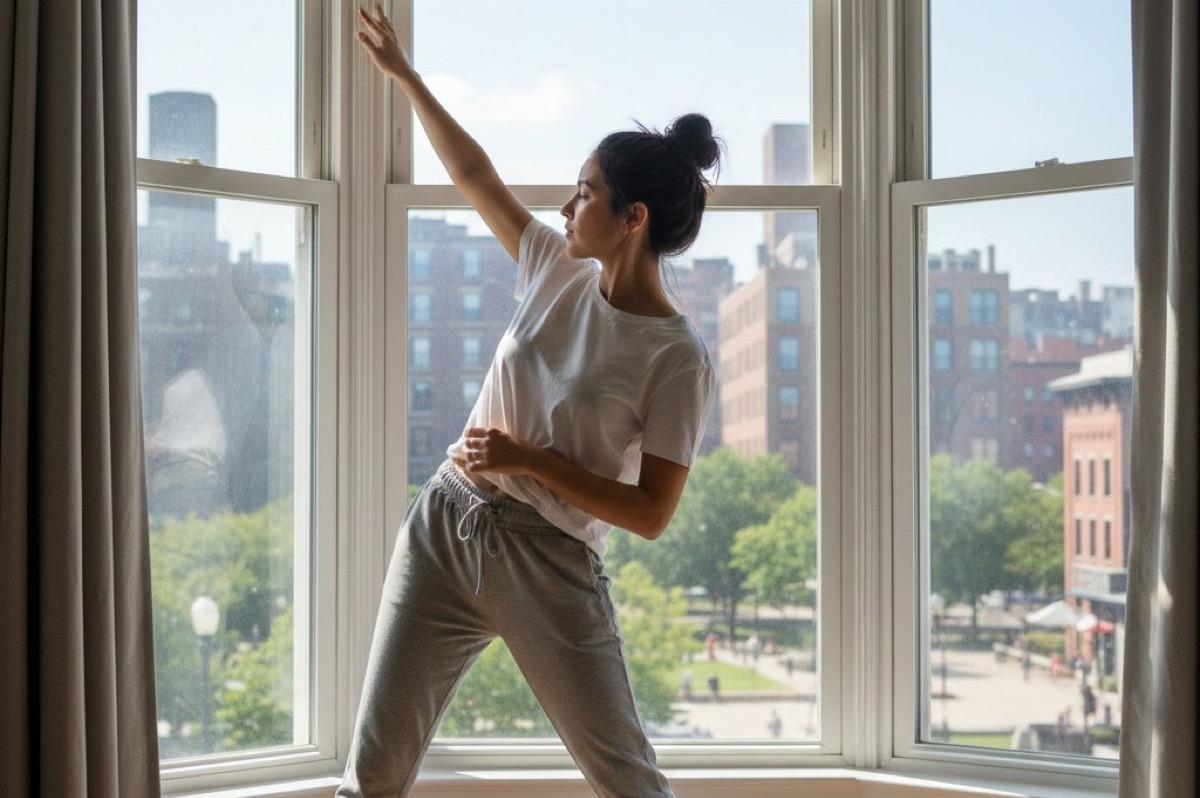
The best exercise for stress relief is the one you’ll actually do. That sounds overly simple, but it’s true. Some women find that a sweaty boxing session where they can punch out their frustrations works wonders. Others need the meditative quality of a long walk. There’s no single right answer, which is actually quite freeing when you think about it.
Finding Your Stress-Relief Movement Style
Aerobic exercise, the kind that gets your heart rate up for a sustained period, is particularly effective for immediate stress relief. This includes things like brisk walking, jogging, cycling, swimming, or dance classes. The rhythmic nature of these activities can be almost meditative, and the endorphin release is typically quite noticeable. If you’re feeling anxious or overwhelmed, twenty to thirty minutes of aerobic movement can shift your entire nervous system.
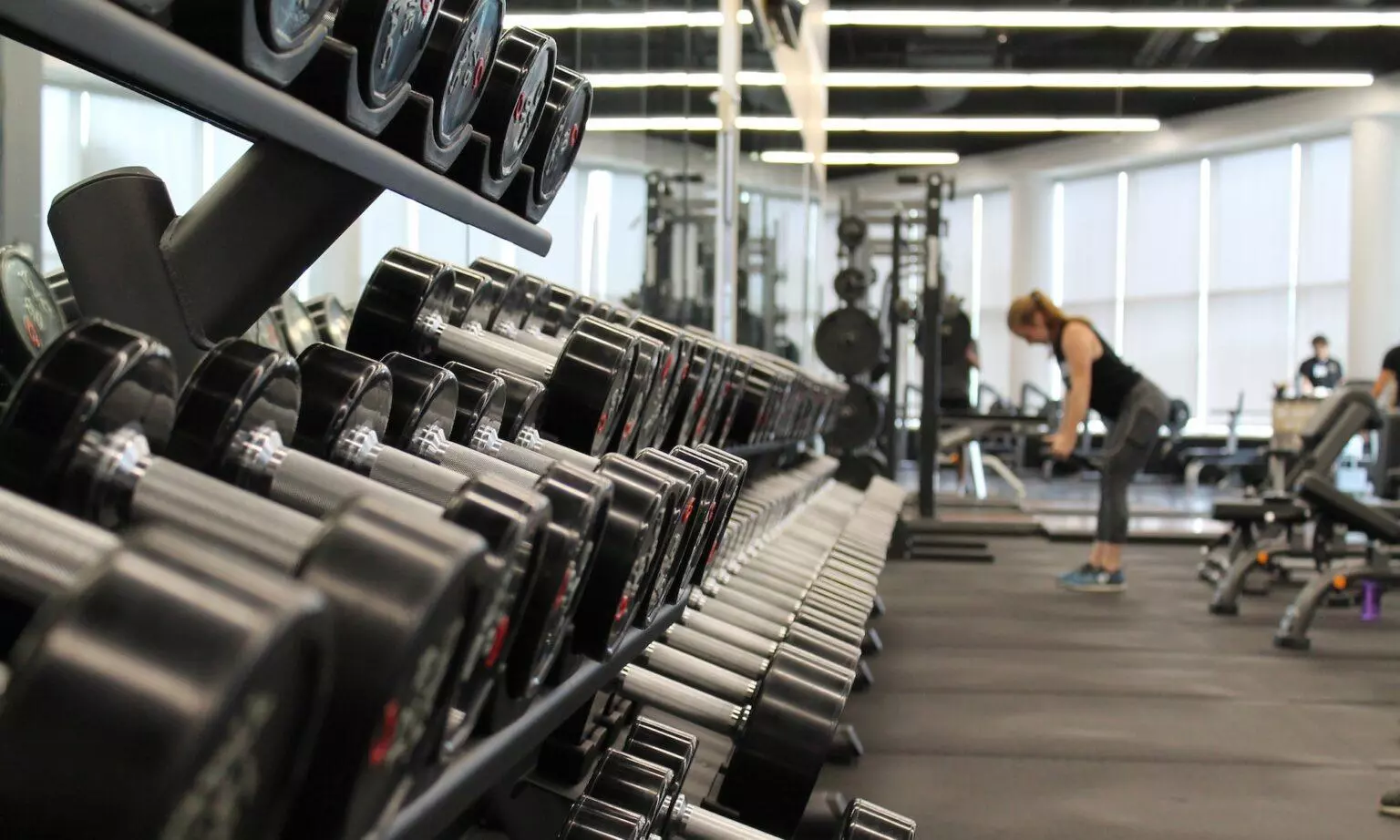
Strength training offers different benefits. Building physical strength has this remarkable way of building mental resilience too. There’s something empowering about gradually being able to lift heavier weights or hold a plank for longer. It’s tangible proof that you’re capable of hard things, which translates into other areas of life. Strength training also helps regulate cortisol levels over time, making you more resistant to stress in general.
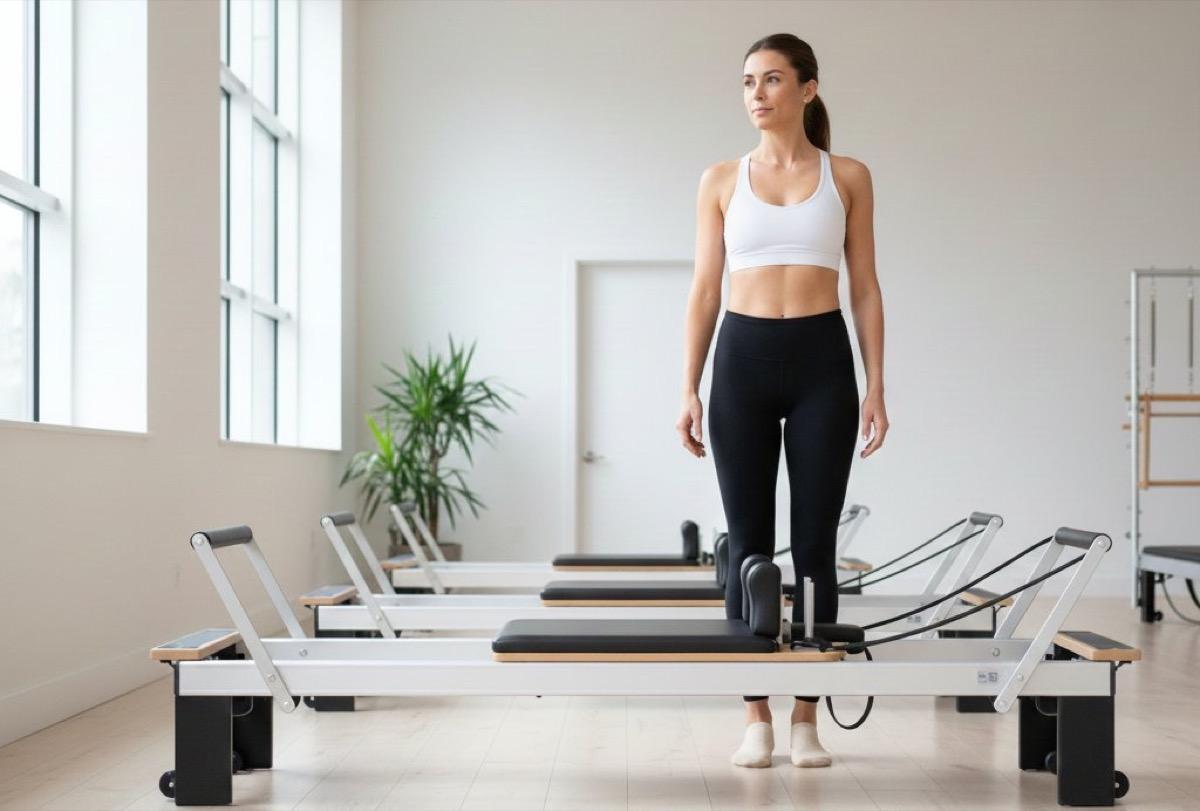
Mind-body practices like yoga, tai chi, and Pilates combine movement with breath work and present-moment awareness. These practices teach you to notice tension in your body and consciously release it. They slow down your breathing, which directly activates your parasympathetic nervous system, the part responsible for rest and recovery. For many women, these practices feel less like exercise and more like active meditation.
Creating Realistic Routines When Time Is Limited
The “I don’t have time” excuse is real, but it’s also worth examining. We often think exercise needs to be a full production, a solid hour carved out of an already packed day. But stress relief can happen in much smaller increments. A ten-minute movement break in the middle of your workday can reset your nervous system and improve your focus for hours afterwards.
Morning exercise has its advocates because it sets a positive tone for the day and ensures it gets done before life interferes. Evening exercise helps others decompress and create a boundary between work stress and home life. Some women find that lunchtime movement gives them the energy boost they need to get through the afternoon. Experiment with timing and notice how you feel. Your body will tell you what works.
Making It Sustainable
Starting small is not settling for less, it’s being strategic. If you haven’t exercised in months or years, committing to five days a week at the gym is setting yourself up for burnout and disappointment. Better to start with two twenty-minute sessions a week and build from there. Consistency matters more than intensity when you’re using exercise for stress management.
Track how you feel rather than focusing solely on metrics like calories burned or kilometres run. Notice your energy levels, your sleep quality, your mood, your ability to handle stressful situations. These are the real indicators of whether your movement practice is serving you. Some days, gentle stretching is exactly what your stressed nervous system needs. Other days, you might crave something more vigourous. Learning to listen to these signals is part of the process.
Life happens. There will be weeks when your carefully planned routine goes out the window. Instead of treating this as failure and giving up entirely, simply notice it and return to movement when you can. Rigid schedules often create more stress than they relieve. Flexibility, both physical and mental, is key.
Pilates as a Stress Management Practice
While there are countless ways to move your body, Pilates deserves particular attention when we’re talking about stress management. This practice combines controlled movement, focused breathing, and mind-body connection in a way that addresses both the physical and psychological aspects of stress.
The breathing techniques used in Pilates are worth the price of admission alone. Pilates encourages deep, lateral breathing into the ribcage, which activates the parasympathetic nervous system. This is the part of your autonomic nervous system responsible for rest, digestion, and recovery. When you breathe deeply and intentionally, you’re literally telling your body it’s safe to relax. That tightness in your chest loosens. Your heart rate slows. Your mind quiets.
Pilates also demands concentration. You can’t think about your overflowing inbox while you’re trying to maintain neutral spine and engage your deep core muscles. This focused attention provides a mental break from stress, a chance for your overactive mind to settle into the present moment. It’s active meditation for people who find sitting still impossible.
The low-impact nature of Pilates makes it accessible to women at various fitness levels and life stages. You’re building strength and flexibility without the joint stress that comes with high-impact activities. This makes it sustainable over the long term. You can practise Pilates through pregnancy, postpartum, perimenopause, and beyond, adapting the exercises to suit your body’s changing needs.
We’ve talked with the team at Lifted Pilates and they understand that women are dealing with real-life demands. Their approach recognises that stress management isn’t about adding another shouuld to your already lengthy list. Instead, their expert instructors create a supportive environment where you can focus on what your body needs. The classes are designed to be challenging enough to give you that sense of accomplishment but accessible enough that you’re not adding performance anxiety to your stress load.
What sets a quality Pilates practice apart is the attention to proper form and progression. At Lifted Pilates, instructors work with individuals to ensure movements are executed safely and effectively. This personalised approach means you’re building a sustainable practice rather than risking injury by pushing too hard too fast. The studio offers various class times and formats, recognising that flexibility in scheduling is essential when you’re juggling multiple demands.
Regular Pilates practice builds both physical and mental resilience over time. You develop core strength that supports better posture, which reduces physical strain and the resulting stress. You become more aware of tension patterns in your body and learn techniques to release them. You build a community of women who understand the challenges you’re facing. This combination of physical, mental, and social support creates a powerful foundation for managing stress.
Overcoming Common Barriers
Let’s address the obstacles that keep women from using exercise as a stress management tool, because they’re real and they’re common.
The time challenge is probably the most frequently cited barrier. We tell ourselves we don’t have time to exercise while somehow finding time to scroll social media or watch another episode of whatever series we’re currently hooked on. The truth is, it’s not about having time, it’s about making time for things we’ve decided are priorities. When you reframe exercise as essential healthcare rather than optional self-care, it becomes easier to protect that time.
Micro-workouts and movement snacking are game-changers for busy women. Ten minutes of stretching while you wait for the kettle to boil. A five-minute core routine before your shower. A brief walk around the block after lunch. These small moments add up, and they provide stress relief throughout your day rather than banking everything on one workout session that may or may not happen.
Then there’s the paradox of feeling too stressed to exercise. Your body is exhausted, your mind is frazzled, and the thought of adding one more thing feels overwhelming. This is where gentle movement becomes your friend. A slow walk. Some basic stretches. A restorative yoga session. You’re not training for anything or trying to burn maximum calories. You’re using movement as a circuit-breaker, a way to interrupt the stress spiral before it completely takes over.
Not knowing where to start can be paralysing in itself. The fitness industry can be intimidating, with its jargon and assumption that everyone knows what they’re doing. This is where professional guidance becomes invaluable. Working with qualified instructors, whether through classes at a studio like Lifted Pilates or online programmes, gives you a structured starting point. You don’t need to figure everything out yourself. You can learn proper form, build confidence gradually, and ask questions in a supportive environment.
Accountability and support systems make an enormous difference. Exercising alone requires a certain level of self-motivation that’s hard to maintain when stress levels are high. Having a workout buddy, joining a regular class, or working with an instructor creates external accountability. You’re less likely to skip when someone is expecting you. Plus, the social connection itself helps manage stress. We’re not meant to navigate life’s challenges in isolation.
Building Your Stress-Relief Exercise Plan
Creating a sustainable exercise plan for stress management starts with honest self-assessment. Take stock of your current stress levels and movement habits. How much are you moving now? What types of movement have you enjoyed in the past? What times of day do you typically have available? What’s your energy like at different points in the week?
Set intentions rather than rigid goals. Instead of “I will exercise five days a week for an hour,” try “I intend to prioritise movement because it helps me manage stress and feel better in my body.” This shift in framing removes the all-or-nothing thinking that leads to giving up entirely when life inevitably disrupts your plans.
A realistic weekly plan might include three to four dedicated movement sessions and daily movement moments. Those dedicated sessions could be Pilates classes, gym workouts, long walks, whatever form of exercise you find most stress-relieving. The daily movement moments are the smaller things, stretching while watching television, taking the stairs, parking further away, having walking meetings instead of sitting in conference rooms.
Rest and recovery deserve space in your plan too. Stress management isn’t about pushing yourself harder, it’s about finding balance. Your body needs time to repair and restore. This might mean one or two complete rest days, or it might mean alternating vigourous exercise with gentler movement.
Measure success through wellbeing markers rather than purely physical metrics. Are you sleeping better? Do you feel more capable of handling stressful situations? Is your mood more stable? Are you experiencing less physical tension? These indicators tell you whether your movement practice is actually serving its intended purpose. The number on the scale or the kilometres you ran last week matter far less than how you feel in your daily life.
As life demands shift, your plan should shift too. A stressful work period might mean shorter, more gentle sessions focused on decompression rather than intensity. A calmer phase might allow for more challenging workouts. School holidays, busy seasons at work, family obligations, these all require adaptability. The plan serves you, not the other way around.
Taking the First Step
Exercise offers an accessible, scientifically supported way to manage stress and overwhelm. It doesn’t require expensive equipment or hours of free time. It doesn’t demand that you completely overhaul your life. What it does require is a willingness to prioritise your wellbeing and experiment with what works for your body and your schedule.
Small steps create meaningful change. That first ten-minute walk feels inconsequential in the moment, but it’s building a foundation. Each time you choose movement over remaining stuck in stress, you’re strengthening neural pathways and teaching your body new patterns. Over time, these small choices compound into significant shifts in how you experience and manage stress.
The invitation is to start where you are, with what you have. You don’t need to have it all figured out. You don’t need to be perfect. You simply need to take one step towards movement today. Tomorrow, you can take another one.
For those who resonate with the mind-body approach to stress management, exploring Pilates might be your next move. Studios like Lifted Pilates offer a supportive entry point, with experienced instructors who understand that every woman’s journey with movement and stress looks different. Sometimes, having expert guidance and a welcoming community makes all the differrence between thinking about exercise and actually doing it.
Your body already knows how to move. Your nervous system already knows how to relax. Exercise simply provides the opportunity to remember and practise these natural capacities. The stress relief you’re seeking isn’t somewhere outside yourself that you need to find. It’s already within you, waiting to be accessed through the simple act of moving your body with intention and awareness.