Step into a premium fitness club in 2026 and the change is immediate: this is no longer a room built only for treadmills, dumbbells, and mirrors. The most ambitious clubs now combine training, recovery, work, and social interaction in one environment, reflecting a broader shift in how people want to live. Members are not simply buying access to machines. They are choosing a setting that fits their schedule, supports their habits, and surrounds them with the right energy.
The market data helps explain why this model is accelerating. The global health and fitness club industry is on track to move beyond $200 billion by 2030, while lifestyle-led and boutique concepts continue to grow at a particularly fast pace. That momentum comes from a simple truth: people want more adaptable experiences. Instead of moving between a gym, a coffee shop, and a recovery studio, they increasingly prefer spaces where everything works together. The modern club is becoming a daily basecamp, and that evolution is changing both member expectations and the business of fitness itself.
The New Fitness Club Model Reshaping Wellness and Workouts
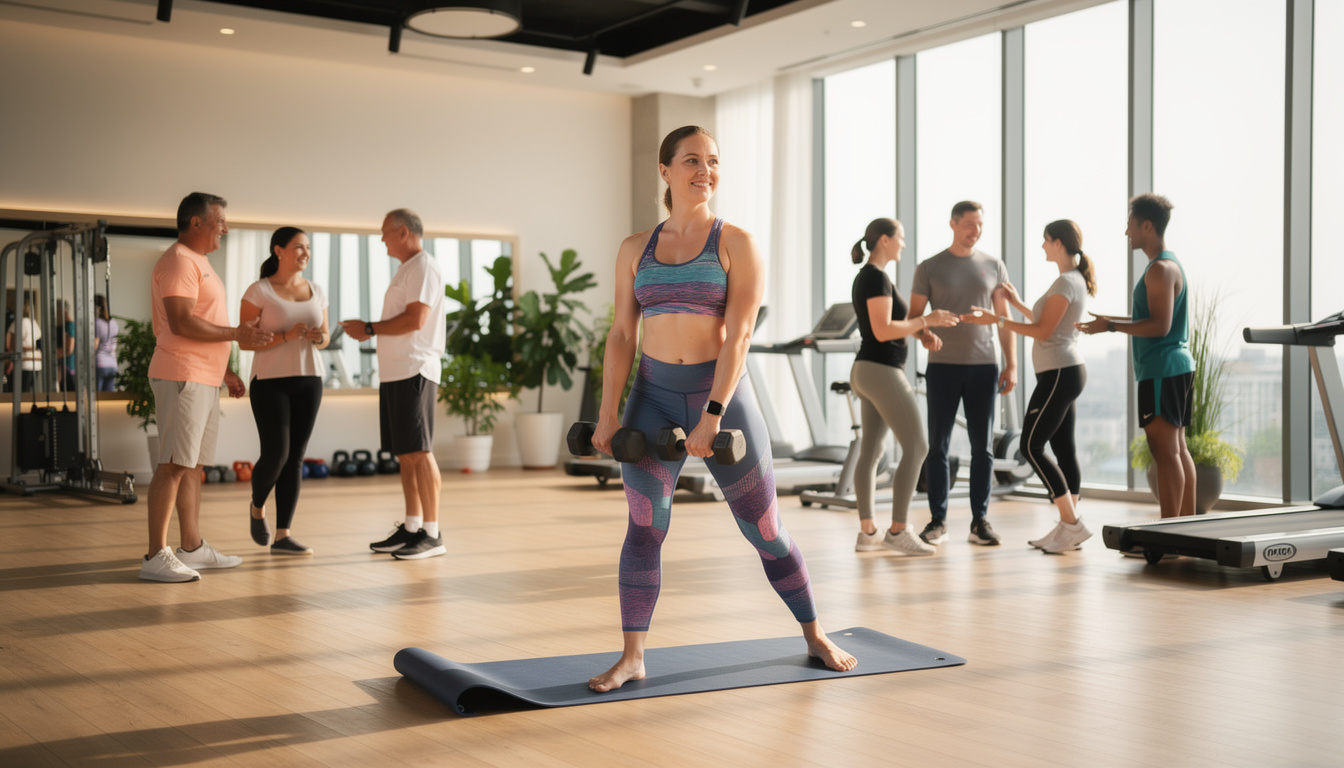
For decades, a gym visit was a narrow transaction. You arrived, trained, and left. Today, the most forward-looking facilities are designed for a longer stay, with coworking tables, mobility areas, recovery services, lounge spaces, and curated classes all under the same roof. The shift is not cosmetic. It responds to rising demand for flexible, personalized experiences that match modern routines.
Consider a typical urban professional such as Maya, a fictional marketing strategist in her early thirties. She starts with a strength class before work, answers emails in a shared lounge, takes a short recovery session at lunch, and returns in the evening for a community event. The club becomes part office, part health hub, part social circle. That kind of integration creates a stronger reason to come back, which is why these venues are proving so effective at keeping members engaged.
Why all-in-one fitness spaces feel more relevant now
One of the clearest drivers is preference. Nearly 60% of gym members now favor flexible and customizable fitness experiences, pushing operators to rethink what a club should offer. The old one-dimensional model feels limited when people expect their environments to support more than one task.
This is also why hybrid concepts feel “sticky.” When one place can handle exercise, downtime, productivity, and conversation, friction disappears. That convenience matters because consistency rarely depends on motivation alone. It depends on how easy it is to keep showing up. The club that removes extra steps often wins the member’s week, not just their monthly fee.
That same appetite for reinvention can be seen across the industry, from premium club concepts to market moves tracked in reports such as this analysis of growth expectations around boutique fitness brands. The message is hard to miss: fitness is increasingly sold as an experience ecosystem, not as square footage filled with equipment.
Community in Fitness Clubs Has Become the Real Competitive Advantage
The most important upgrade in many clubs is not a machine or a studio design. It is the quality of the people in the room. Boutique users tend to be highly engaged, often returning multiple times each month, and more than 80% of new members in some concepts come through community-led word of mouth. In practical terms, that means the atmosphere itself becomes a growth engine.
Walk into a well-run club and the difference is tangible. Coaches know names. Members encourage each other between sets. Creators, founders, recreational athletes, and ambitious beginners share space with a sense of purpose. That social density raises standards. People are more likely to keep their commitments when they feel seen, expected, and inspired by the group around them.
There is also a deeper behavioral lesson here. Humans are shaped by context. Training beside focused people changes how seriously you approach your own session. A room can quietly teach discipline. The best clubs understand that belonging is not a side benefit; it is part of the product.
A connected club does more than make workouts enjoyable. It creates practical advantages that improve adherence and overall wellbeing. Members often discover that the social layer helps them stay disciplined during periods when motivation naturally dips.
- Higher consistency because familiar faces make skipping harder.
- Better coaching outcomes as trust encourages questions and feedback.
- More accountability through peer encouragement and shared routines.
- Stronger identity when the club reflects personal values and aspirations.
- Organic discovery of recovery tools, events, and classes through conversation.
That sense of identity increasingly influences consumer choices. It even overlaps with adjacent trends, from digital personalities shaping gym culture to conversations around how brands present health and performance online, as seen in stories like this report involving a fitness influencer and gym culture. The social dimension of fitness now extends far beyond the training floor.
Convenience in Modern Gyms Drives Consistency Better Than Motivation Alone
The strongest argument for the new club model is simple: when friction goes down, follow-through goes up. If members can train, shower, refuel, stretch, recover, and handle a few work tasks in one location, they are far less likely to abandon healthy routines. Convenience is not laziness. It is architecture aligned with behavior.
This helps explain why participation remains strong. Roughly 77 million Americans now hold gym memberships, the highest level on record, signaling both broad interest and rising expectations. More people are willing to invest in physical wellbeing, but they increasingly expect facilities to fit real life instead of interrupting it.
Imagine the old pattern: a morning workout at one location, coffee and laptop time somewhere else, and a separate visit to a recovery studio in the evening. Each handoff creates a chance to cancel the next step. Put everything in one setting and the day flows differently. In that sense, convenience is not just a perk. It is a design principle that protects habits.
How the best clubs reduce friction across the entire member journey
The smartest operators map a member’s day, not just their workout. That means thinking beyond training equipment and considering what happens before and after exercise. A club that understands transitions is usually the one that earns repeat visits.
| Traditional gym model | New fitness club model | Member impact |
|---|---|---|
| Workout-only space | Training plus recovery and work zones | Longer visits and easier routine building |
| Fixed class structure | Flexible scheduling and layered experiences | Better fit for varied lifestyles |
| Limited social interaction | Community events and intentional networking | Higher engagement and referrals |
| Transactional membership | Identity-driven membership experience | Greater emotional attachment |
| Single-purpose facility | All-in-one lifestyle destination | Less friction across the day |
This broader understanding of the customer journey also connects with adjacent developments in equipment, commerce, and connected fitness, including the market attention around major consumer fitness brands and platforms. The boundaries between club experience, technology, and lifestyle spending keep narrowing.
Why the Future of Fitness Clubs Is About Identity, Experience, and Environment
From a business perspective, the product has changed. Clubs are no longer simply renting access to barbells and cardio machines. They are selling identity, atmosphere, and a way of living. That is why design, programming, hospitality, and member mix matter so much. A facility can have excellent equipment and still feel forgettable if the surrounding environment lacks energy or intention.
This shift mirrors changes seen in hospitality and retail over the past decade. Consumers gravitate toward spaces that tell them something about who they are, or who they want to become. In fitness, that might mean a club that blends serious coaching with a calm aesthetic, or one that attracts entrepreneurs, creatives, and endurance enthusiasts who reinforce a certain culture. The most successful venues are not merely functional. They are memorable.
For users, the practical lesson is clear. A strong training plan still matters. Progressive overload still matters. Recovery still matters. Yet the setting where all of that happens may determine whether those good intentions survive a demanding month. Better workouts are important, but better environments often decide whether better workouts happen at all.
The next phase of gym culture and what to watch
Over the next few years, expect more clubs to act like lifestyle platforms rather than standalone gyms. That means collaborations with health practitioners, carefully programmed events, member education, and spaces built for both performance and connection. The winners will likely be those that make a member feel productive, healthier, and socially anchored in the same visit.
There is a useful historical echo here. Traditional athletic clubs once served as social centers as much as exercise facilities, especially in major cities. The difference now is inclusivity and versatility. The updated version is more dynamic, more wellness-driven, and better aligned with hybrid work culture. In other words, the industry is not abandoning the past so much as modernizing an old idea for a new era.
This article builds on reporting first published by Men’s Fitness on April 9, 2026, in its News section, where the story originally appeared. That origin matters because it captures a wider industry reality: the future of fitness is increasingly shaped by the spaces people want to remain in, not just pass through.