A Surge in Healthy Living: Hundreds Join Free Fitness Classes in North Lincolnshire
Across North Lincolnshire, a quiet revolution in public health is unfolding as hundreds of residents embrace free fitness classes offered through a groundbreaking initiative. Launched in April 2025, the Fit for Free programme provides eight weeks of off-peak access to gym facilities, swimming, and virtual fitness classes, with a special focus on older adults (66+) and individuals aged 16 and above who have learning disabilities. In just three months, participation reached nearly 800 people, underscoring a broader shift toward accessible, community-based health and wellness. This surge in engagement is not merely about exercise; it’s about opportunity, connection, and the empowerment to lead healthier, more fulfilling lives. Councillor Rob Waltham, leader of North Lincolnshire Council, emphasizes that removing financial barriers helps people stay active, connected, and well in every dimension of their lives.
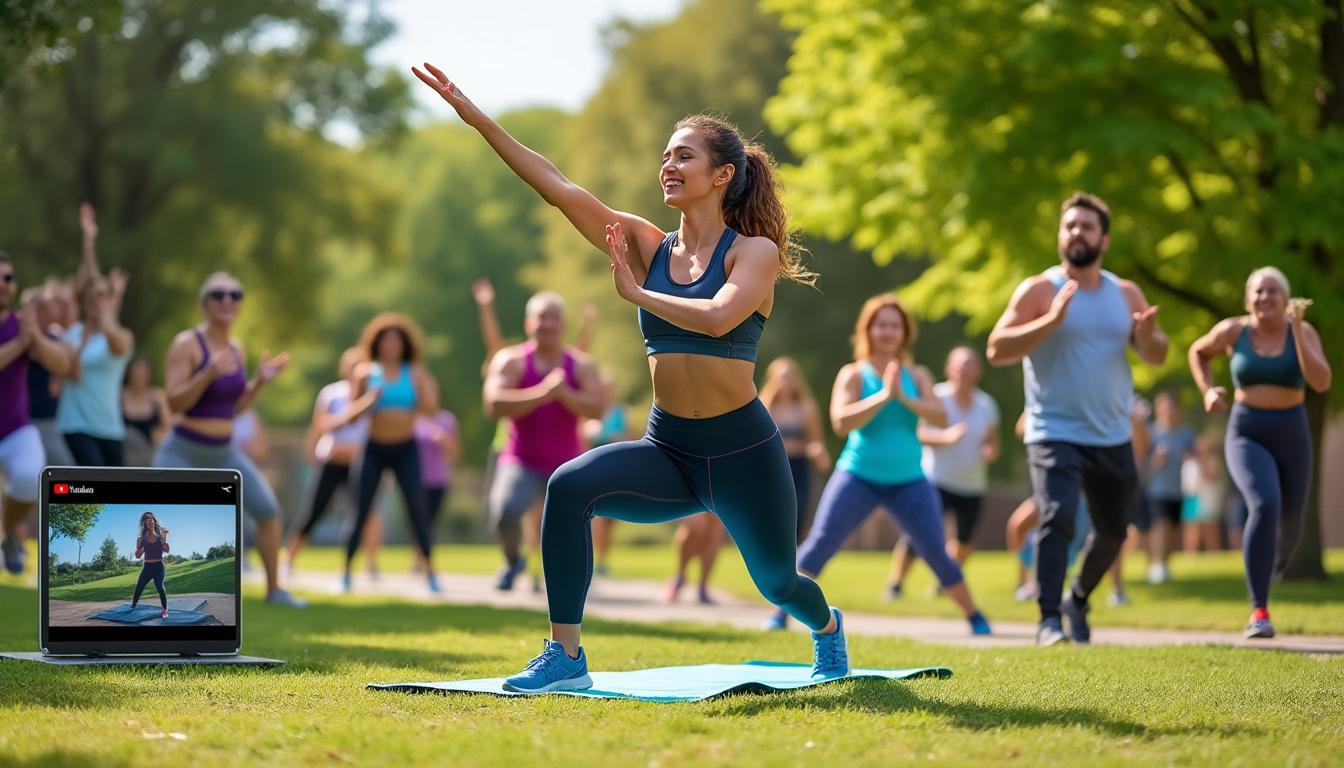
Key elements of the programme are clear and practical. Participants gain off-peak access to a diverse range of facilities, including the gym and swimming pools, plus access to Les Mills Virtual classes, which bring the energy of a live studio into homes or community spaces. This structure is designed to accommodate varied schedules and mobility needs, making it easier for people who might not typically consider regular fitness to start and sustain activity. Early outcomes point to reduced social isolation, improved mental well-being, and a boost in overall physical activity levels among participants. This isn’t a temporary boost; it’s a foundation for long-term healthy habits within the community.
To gauge the programme’s reach, the council tracks several metrics that matter to residents and funders alike. Participation counts, engagement in different modalities (gym, pool, virtual classes), and qualitative feedback on well-being are all part of the ongoing evaluation. The early data show a meaningful uptick in weekly activity among many participants, with flexible access options helping people fit movement into busy lives. The initiative’s emphasis on inclusivity—opening to seniors and to people with learning disabilities—helps ensure that fitness is not a privilege of a few but a practical option for many. The city’s public-health strategy sees this as a nucleus around which broader health-promoting activities can be built, from nutrition education to sleep hygiene and mental resilience training.
From a systemic standpoint, the programme aligns with national trends toward community-based fitness and social prescribing, reinforcing that movement is a powerful determinant of health. It also responds to the real-world challenges faced by families and carers who want to support loved ones in leading active lives without fear of cost barriers. As the initiative enters its second phase, planners are looking at how to maintain momentum, expand capacity at NL Active facilities, and foster partnerships with local gyms and fitness brands to offer gear, motivation, and accessibility options. The message is clear: fitness can be a shared, affordable, and enjoyable pursuit that strengthens individuals and communities alike.
The broader regional impact goes beyond the gym floor. As more residents participate, there are ripple effects in schools, workplaces, and neighbourhoods. Local businesses report more engagement in health-related community events, while schools note that students who take part in family-friendly classes tend to carry healthier habits into adolescence. The programme also invites collaboration with renowned fitness brands and services to showcase practical, evidence-based approaches to physical activity in everyday life. For readers seeking external perspectives on fitness programming and public-health impact, educational resources and case studies from reputable outlets provide deeper context and complementary strategies.
- Increased access to off-peak facilities reduces schedule conflicts for working adults.
- Eight-week duration provides a concrete window to establish routine and habits.
- Inclusive eligibility broadens participation and strengthens community ties.
- Virtual classes offer flexibility and continuity when in-person options are limited.
| Program Component | Details | Expected Outcome |
|---|---|---|
| Access Window | Eight weeks, off-peak hours | Regular attendance with manageable time commitments |
| Facilities Included | Gym, swimming pool, Les Mills Virtual classes | Comprehensive fitness exposure and variety |
| Eligibility | Residents 66+; 16+ with learning disabilities | Inclusive community participation |
The momentum around the Fit for Free initiative is measurable and motivating. As coverage expands, residents are encouraged to explore partnerships with major athletic brands and local fitness centers to sustain momentum. For readers seeking practical examples of how to translate community fitness into personal success, explore resources that compile workouts, nutrition tips, and habit-building strategies. Practical guides and workouts tailored to beginners can be found in various online libraries, including content from reputable fitness publishers. For more structured routines and evidence-based approaches, see materials such as Fat Loss Exercise Alternatives and other fitness-aid resources.
Community Benefits of Free Fitness Classes: Social Connection, Mental Well-being, and Activity Uptake
The North Lincolnshire programme is designed to do more than improve physical strength; it aims to enrich social fabric and mental resilience. When people come together for a class, they build routines, habit loops, and support networks that extend beyond the gym walls. The sense of belonging that arises from regular attendance reduces loneliness and helps participants feel more connected to their neighbours. The council’s leadership emphasizes that the initiative is not simply about exercise; it is about offering opportunities for people to connect, learn, and thrive together. Early feedback from participants highlights improved mood, greater confidence in trying new activities, and an increased willingness to engage in community events.
Social benefits often translate into tangible health outcomes. Regular activity has been linked to better sleep, enhanced cognitive function, and lower risk of chronic diseases. In North Lincolnshire, the goal is to translate these research-backed advantages into accessible experiences that meet residents where they are. The eight-week structure provides a clear milestone for sense-making and habit formation, while the off-peak scheduling makes it easier for families and carers to participate without disrupting peak-hour commitments. The program’s inclusive approach ensures that people with disabilities or mobility limitations can enjoy meaningful activity alongside their peers, fostering a culture of respect, support, and shared achievement.
From an economic perspective, flexible access to group classes and gym facilities potentially reduces healthcare costs by promoting prevention and early intervention. When communities invest in prevention strategy—like regular movement and social engagement—the downstream benefits include fewer clinic visits, better management of chronic conditions, and higher overall well-being. The Fit for Free initiative serves as a real-world test-case for public-health policymakers, community organizers, and fitness professionals interested in scalable models that combine cost-effectiveness with social impact. For readers seeking additional perspectives on how fitness programmes influence social outcomes, several case studies and policy papers are accessible through educational resources and industry portals.
Within this framework, several practical actions help maximize impact. Participants are encouraged to pair gym visits with short mobility routines or beginner-friendly strength sessions that emphasize form and safety. Local coaches emphasize progressions that accommodate varying fitness levels, ensuring that beginners can start confidently while more seasoned exercisers can still challenge themselves. When communities see tangible improvements in mobility and mood, participation tends to stabilize and even grow, reinforcing a positive feedback loop. To readers looking for inspiration beyond the local context, consider checking comparative examples from other councils and health agencies that run similar “free-for-all” initiatives and share lessons learned.
- Regular attendance fosters community ties and mutual accountability.
- Inclusive access reduces barriers for people with disabilities or age-related limitations.
- Integration with other health services (nutrition, sleep, mental health) amplifies benefits.
- Public reporting of progress builds trust and momentum.
| Benefit Category | Examples | Impact Indicators |
|---|---|---|
| Social Connectivity | Group classes, buddy systems, community events | Attendance rates, self-reported loneliness scales |
| Mental Well-being | Mindfulness breaks, light-to-moderate activity | Mood scores, stress reduction reports |
| Physical Activity Uptake | Gym, swimming, virtual classes | Weekly active minutes, class enrollment numbers |
How the Free Fitness Class Model Works: Access Details, Scheduling, and Eligibility
Operational clarity is central to the programme’s success. The Fit for Free initiative is designed to be simple to access while maintaining rigorous safeguards to protect participants and ensure resources are used efficiently. Eligibility focuses on two primary groups: residents aged 66 and older, and individuals aged 16 or above who live with a learning disability. The eight-week access period is explicitly designed to encourage habit formation without overwhelming participants or straining facilities. Scheduling emphasizes off-peak hours, which not only reduces crowding but also helps participants coordinate with work, caregiving responsibilities, or other community activities. The plan is to offer a stable, predictable rhythm so that families and carers can plan around sessions with confidence.
For those who want to start small and build up, the programme supports a range of entry points—from one or two short sessions per week to a full schedule of gym, pool, and virtual classes. This flexibility is vital for sustaining participation over the eight-week window and beyond. The infrastructure behind the programme—NL Active facilities—provides a reliable backbone, with trained staff and accessible equipment designed to accommodate a diverse population. In practice, this means participants can expect clean facilities, supportive staff, and safety protocols that facilitate a comfortable and welcoming experience. This combination of accessibility, safety, and variety is designed to translate initial curiosity into lasting activity, which is the true measure of success for any community health initiative.
To help readers navigate joining the programme, here are practical steps and considerations. First, verify eligibility and locate qualified NL Active sites offering off-peak access. Second, register through the council’s official channels and confirm the eight-week window. Third, plan a balanced routine that includes cardiovascular work, strength, and flexibility to maximize health outcomes. Finally, leverage virtual options when in-person attendance isn’t feasible, ensuring continuity even during holidays or weather disruptions. For readers seeking more structured guidance, a collection of practical workouts, weight-management strategies, and motivation tips is available via external resources and fitness libraries. See for example: Fitness tips for weight loss and productive workout hacks for home TV workouts.
Possible gear and apparel choices can also enhance the experience. While the programme itself provides access to facilities, participants often benefit from comfortable, supportive gear that encourages consistency. Popular brands associated with fitness culture—Nike, Adidas, Reebok, Under Armour, Fitbit, Lululemon, Peloton, Planet Fitness, Les Mills, and ClassPass—offer reliable options for shoes, apparel, trackers, and class packages that complement the core programme. When selecting gear, prioritize fit, support, and breathability to sustain comfort during longer sessions.
To illustrate how the programme translates into action, consider the following practical scenario: a 70-year-old resident attends two 60-minute sessions per week, alternating gym work with water-based activity, and participates in one Les Mills Virtual class at home to bridge days when traveling or weather restricts access. This pattern supports progressive improvement in strength, balance, and endurance, while delivering social interaction that can decrease loneliness. For readers who want to explore similar models in other regions, a range of case studies exist, and continuing research will help refine best practices for inclusive community fitness. An important note: the programme’s spark lies in its consistency and community mindset, not just the activities themselves.
- Identify eligible participants and NL Active locations with off-peak access.
- Register and complete any required intake steps or forms.
- Plan a balanced eight-week routine blending cardio, strength, and mobility.
- Utilize virtual options to maintain momentum during travel or adverse weather.
| Eligibility Type | Access Window | Facilities Included |
|---|---|---|
| 66+ Residents | Eight weeks; off-peak hours | Gym, swimming, virtual classes |
| 16+ with Learning Disabilities | Eight weeks; off-peak hours | Gym, swimming, Les Mills Virtual |
Real Stories, Real Impact: Personal Journeys Through North Lincolnshire’s Free Fitness Classes
Numbers tell part of the story, but the most compelling narratives come from the people who participate. Since the launch in April 2025, hundreds have stepped into NL Active facilities, and many have shared transformative experiences that extend beyond physical improvements. A standout statistic from the early phase notes 788 participants between April and July, a powerful indicator of demand and enthusiasm for accessible, no-cost fitness options. Councillor Rob Waltham highlighted that removing financial barriers unlocks opportunity, connection, and the ability to maintain physical and mental health. These human stories illustrate how a structured, community-driven approach to fitness can alter daily life for individuals and families.
To paint a vivid picture, here are a few anonymized case sketches drawn from the programme’s early feedback. Each story demonstrates a different path to health, illustrating the versatility and inclusivity of the initiative. While personal circumstances vary, the underlying themes—ease of access, supportive environments, and meaningful social interaction—resonate across the community. These mini-profiles help readers relate to the broader data and understand how eight weeks of structured activity can become a catalyst for long-term change.
- Case A: An active retiree who previously avoided structured exercise due to cost now attends weekly gym sessions and a virtual class, reporting improved balance and a renewed sense of purpose in daily routines.
- Case B: A young adult with a learning disability who joined a pool-based class and later began a basic strength routine with staff support, noting enhanced confidence and better sleep quality.
- Case C: A caregiver who joined with a family member, forming a mutual accountability routine that increased weekly physical activity and reduced stress levels in the household.
These vignettes align with the programme’s stated goals: reduce social isolation, enhance physical and mental well-being, and promote more active lifestyles. They also highlight the practical realities of participation—scheduling, accessibility, and the role of supportive staff and peers in sustaining motivation. For readers seeking deeper narratives, follow-up stories and additional feedback from participants can be explored through community updates and local media coverage, which frequently feature testimonies from residents who have benefited from the initiative.
Beyond individual stories, the programme’s communal dimension fosters a culture where fitness is a shared value. Families, workplaces, and schools begin to integrate movement into daily life with greater ease, leveraging the eight-week model as a stepping-stone toward ongoing activity. The long-term vision is clear: to create a durable platform that continually makes health and wellness accessible to all residents, regardless of age, income, or ability. For readers seeking inspiration from real people, there are documented examples and community spotlights that celebrate progress and resilience. To learn more about how similar programmes have grown and evolved in other regions, explore related resources and success stories from health and fitness networks across the country.
As momentum grows, the question becomes how to sustain and scale these gains. Responsible leadership will involve expanding site capacity, maintaining high standards for safety and inclusivity, and continuing to partner with local organizations and sponsors who share the mission of healthier, happier communities. The North Lincolnshire experience provides a valuable blueprint for other councils seeking to implement or expand free-access fitness initiatives. For those who want a deeper dive into program design and outcomes, a curated set of references—including practical guides and research summaries—can support informed decision-making and replication in other contexts. The core takeaway remains simple: when you remove barriers and invite people to move together, you catalyze lasting positive change.
- Nearly 800 participants in the first three months signal broad appeal and immediate impact.
- Stories from residents show improvements in mood, sleep, and daily function.
- Community engagement strengthens networks, creating a supportive environment for ongoing activity.
Accessibility and Action: Joining North Lincolnshire’s Free Fitness Classes
Understanding how to participate is essential for turning interest into action. The North Lincolnshire approach is designed to be straightforward, with a clear pathway from curiosity to consistent engagement. First, individuals determine eligibility based on age (66+) or learning-disability status (16+). Next, residents locate NL Active facilities that offer off-peak access, check the schedules, and identify classes that align with personal goals and current fitness levels. Registration is a critical step that unlocks the eight-week access window, enabling participants to take advantage of gym facilities, swimming, and Les Mills Virtual classes, all without the burden of upfront fees. This structure supports a gentle progression from initial exploration to regular practice and eventually to a sustained habit of movement.
Scheduling considerations play a significant role in participation. Off-peak sessions reduce crowding, improve accessibility for carers and families, and provide a predictable rhythm that helps people integrate activity into their week. For those who travel frequently or encounter weather-related disruptions, the Virtual classes offer a reliable alternative, ensuring continuity of training and motivation. The eight-week timeline is a practical frame that builds accountability, while also leaving room for participants to transition to longer-term activity through local gym memberships, community programmes, or employer wellness initiatives. In addition to the core offers, participants can explore related resources such as nutrition guidance, sleep education, and mental-health support to create a holistic approach to well-being. Readers looking for actionable ideas can consult multi-platform resources and workout libraries that provide structured routines, progressive scales, and tips for staying engaged at home. A useful starting point for those seeking expert perspectives is the set of fitness-focused articles and guides by Fitness Warrior Nation, which offer practical tips and evidence-based practices.
Practical tips for staying engaged include setting attainable short-term goals, tracking progress with simple metrics, and building social accountability partners. For instance, pairing with a buddy for weekly swim sessions, or scheduling a joint class with a friend to maintain motivation, can make the experience more enjoyable and sustainable. The programme’s success also underscores the importance of accessible gear and smart equipment choices. While the facilities provide the core resources, selecting appropriate apparel and devices can enhance comfort, safety, and performance. Beyond gear, it’s worthwhile to consider broader wellness investments, such as a wearable device from Fitbit or a training app from Peloton, which can help track progress and maintain momentum as participants move beyond the eight-week window. Concepts and gear aligned with popular brands—Nike, Adidas, Reebok, Under Armour, Nike, Lululemon, Planet Fitness, Les Mills, ClassPass—provide practical inspirations for readers who want to optimize their training experience and sustain gains after the programme ends. For readers seeking further guidance and tools, a curated set of resources is available at Fitness Warrior Nation and related portals, which offer workouts, nutrition advice, and lifestyle strategies.
Looking Ahead: The Future of Free Fitness in North Lincolnshire and Beyond
The momentum of North Lincolnshire’s free fitness initiative signals a broader shift in how communities approach health and wellness. With nearly 800 participants and an established eight-week framework, planners are exploring opportunities to expand access to more facilities, extend the duration of the offers, and introduce complementary programs that address nutrition, sleep, and mental resilience. The program’s scalability will depend on sustained funding, continued engagement from local partners, and ongoing evaluation to refine delivery methods and maximize outcomes. The North Lincolnshire model offers a compelling template for other communities seeking to remove financial barriers to health and create inclusive fitness ecosystems that accommodate diverse needs. To readers and policymakers looking to replicate or adapt this approach, the following considerations are essential: ensure transparent data collection, maintain high safety and accessibility standards, and foster genuine stakeholder involvement—residents, carers, staff, and partner organizations alike.
In the near term, partnerships with major brands and fitness networks can help sustain engagement by providing gear, incentives, and varied programming. Brands such as Nike, Adidas, Reebok, Under Armour, Fitbit, Lululemon, Peloton, Planet Fitness, Les Mills, and ClassPass can serve as catalysts for motivation and access, while keeping participants focused on practical, sustainable health improvements. The programme’s success will also hinge on clear communication strategies that highlight real-life benefits, share success stories, and offer practical guidance for meal planning, sleep routines, and stress management. For readers who want to explore broader trends in community fitness, the latest industry reports and health-policy analyses illuminate how public gyms, local councils, and nonprofit organizations can collaborate to deliver scalable, equitable health solutions. To deepen understanding and gather additional insights, check related resources such as: Viral Military Workout, Coast Guard Fitness Test, Lil Jon Muscle Beach Competition, and Lil Jon Muscle Beach Results.
Looking further ahead, it’s reasonable to anticipate continued growth in participation, an expansion of virtual options, and a broader integration with local health services. The long-term vision is to normalize movement as a daily habit across all ages and abilities, ensuring every resident has the tools and support they need to stay active, connected, and well. The North Lincolnshire experience demonstrates that when communities invest in accessible, inclusive fitness, the returns go beyond calories burned—they touch the fabric of daily life, create resilience, and unlock opportunities for healthier, happier futures. For readers curious about how these trends intersect with broader health initiatives, a growing library of resources and case studies offers perspectives on sustainable, community-centered approaches to wellness.
- Plan to scale access to more NL Active facilities and times
- Strengthen partnerships with fitness brands and community organizations
- Integrate nutrition and mental-health components for holistic care
- Maintain transparent reporting on participation and outcomes
FAQ
- Who is eligible for the Fit for Free eight-week program? Residents aged 66 and above, plus individuals aged 16+ with a learning disability, are eligible for eight weeks of off-peak access to gym facilities, swimming, and Les Mills Virtual classes. If you’re unsure about eligibility, contact your local NL Active site or the North Lincolnshire Council information desk for guidance.
- How do participants access Les Mills Virtual classes? After registration, eligible residents can access Les Mills Virtual classes via the NL Active platforms or partners’ apps where available. Virtual options provide flexibility when in-person attendance isn’t possible, helping maintain momentum during travel or poor weather.
- What brands or gear are recommended to support participation? While the programme offers facility access, wearing comfortable, supportive gear enhances experience. Popular brands for fitness gear and wear include Nike, Adidas, Reebok, Under Armour, Fitbit, Lululemon, Peloton, Planet Fitness, Les Mills, and ClassPass.
- Where can I find more resources on building healthy routines? In addition to local council materials, readers can consult resources from Fitness Warrior Nation, including practical articles on weight-loss strategies, training tips, and workout ideas. See examples at Fitness Tips: Weight Loss and Weighted Vests: Benefits.