

Missile Strikes near landmark districts in Dubai have forced residents, expats, and investors to reassess what they thought they knew. For years, the city sold a clean promise, opportunity, order, and a Safe Haven image in a volatile neighborhood. Then came the smoke over premium waterfront addresses and the sound of blasts close to places people associate with comfort and control. In a single weekend, social feeds shifted from poolside routines to emergency sirens, black plumes, and short clips filmed from balconies.
The shock traveled fast because Dubai runs on perception as much as infrastructure. Influencers who moved for stability described intense Safety Concerns and sleepless nights. Others played down the Disruption, pointing to intercepts and open malls as proof of resilience. Authorities reported multiple missiles intercepted, fires in impacted areas, and casualties and injuries as the Conflict expanded after Iranian retaliation for US and Israeli strikes. The story now sits at the crossroads of Security, image management, and Geopolitics. The deeper question is simple: when a city’s Reputation is part of its product, how does it recover when the sky stops feeling predictable?
Missile Strikes in Dubai and the Safe Haven Reputation
Will Bailey, a UK fitness coach, landed in Dubai expecting paperwork, apartment viewings, and client calls. Within 24 hours, his phone captured what he described as an impact near Palm Jumeirah, with smoke rising close to a top hotel zone. Officials linked at least one incident to a fire and reported four people injured in one affected area.
For Bailey, the Disruption was personal. A relocation plan built on stability turned into a day-by-day risk calculation, and his “new life” content became real-time crisis footage. One lesson landed hard: when Missile Strikes reach tourist corridors, the Safe Haven narrative takes a direct hit.
Security, Safety Concerns, and the new expat mindset
In previous regional crises, Dubai often felt insulated. This time, proximity mattered, so did timing, with attacks occurring as people slept, traveled, and posted. The result was immediate Safety Concerns among new arrivals and long-term residents who moved to escape instability elsewhere.
Relocation decisions often hinge on schools, commuting, and predictable rules. When explosions appear in areas marketed for calm, the risk model changes overnight. The practical shift is clear: expats now factor Security planning into daily life, not as a distant scenario.
To ground yourself during high-alert periods, focus on actions you control:
- Track official advisories and building management updates before you move around the city.
- Set family check-in rules for school runs, gym visits, and mall trips.
- Know your shelter points in your building and your workplace.
- Build a 72-hour essentials kit, water, meds, chargers, IDs, and cash.
- Adjust training schedules to quieter hours, indoor routes, and locations with strong on-site staff.
Prepared routines reduce panic, and they protect your health habits when stress spikes.
Missile Strikes, Disruption, and influencer narratives shaping Dubai
Social media amplified the contrast. Some Dubai-based personalities called the moment frightening and said they moved for safety, only to see the environment change. Others argued the reaction was inflated, emphasizing interceptions and normal commerce as evidence the system held.
This split matters because Reputation is not an abstract concept in Dubai. It influences bookings, property demand, and the choice of where online businesses register. When content swings between fear clips and reassurance posts, the city’s brand becomes a daily referendum.
A second layer complicates the public tone. Public criticism of the government is illegal in the UAE, so many posts highlight official strength and order. The outcome is a narrow emotional bandwidth online, praise, calm, and confidence, even when private group chats tell a more anxious story.
Geopolitics and why the target selection felt different
Researchers following regional Geopolitics noted how unusual the messaging felt when strikes touched civilian and tourist infrastructure. Analysts described the move as a sharp break from assumptions many residents held, the belief that prestige districts sat outside the target map. Once that belief cracks, Safety Concerns spread beyond the immediate blast radius.
Architecture scholar Yasser Elsheshtawy described the psychological shift: smoke over exclusive neighborhoods punctures the curated image of modern control. Energy policy researcher Karen Young highlighted another point, many residents in Dubai already escaped conflict elsewhere, so fresh Conflict signals land harder. The key insight is durable: perception and place are fused in a city built on certainty.
Missile Strikes and Dubai Security, what daily life looks like now
By early week, day-to-day life showed two realities at once. Schools stayed open in many areas, families went out, and malls still drew crowds, though the mood felt muted to residents who ventured out. At the same time, confirmed casualties and ongoing alerts kept attention fixed on the sky.
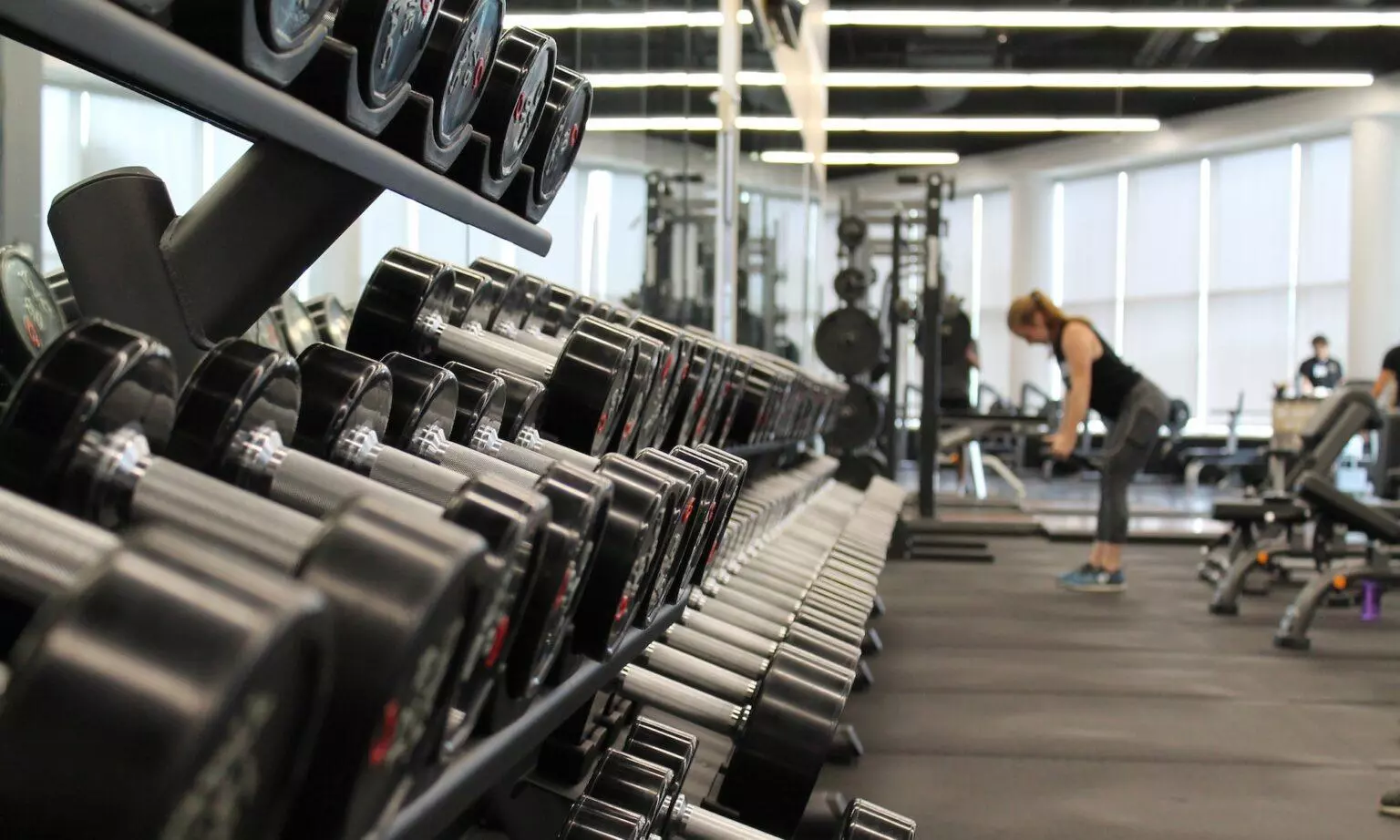
Fitness routines became a small test of confidence. People shifted from outdoor waterfront runs to indoor training, chose gyms inside large hotels with trained staff, and avoided long commutes during peak alert windows. These choices are not fear-based, they are performance-based, stress and sleep affect recovery, and smart athletes protect both.
If you live in Dubai through this New Era, aim for stability through structure. Keep your training simple, protect your sleep, and use community support instead of doom-scrolling. Strong habits are a form of personal Security.
Our opinion
Missile Strikes created a visible break in Dubai’s Safe Haven story. Intercepts and fast response matter, yet the Reputation impact comes from what people saw, smoke near iconic places, injuries, and a confirmed death, paired with the sense that tourist zones were no longer unthinkable targets.
The smartest response blends realism and discipline. Treat Security as part of your planning, not a background detail. Keep building your life, your work, and your health with clear routines, because in a shifting Conflict environment, structure becomes your edge in this New Era shaped by Geopolitics and persistent Safety Concerns.