Opinion: a federal health campaign has shifted into a spectacle. The latest video for MAHA places RFK Jr. and Kid Rock in a wood-paneled spa, playing pickleball, sitting in a sauna, plunging into cold tubs, and drinking whole milk while wearing jeans. The visuals sparked online mockery over sweaty denim and awkward push-ups, yet the stakes extend beyond ridicule. This clip represents an official message financed by taxpayer dollars, a visible turn in how public health gets packaged for a political audience.
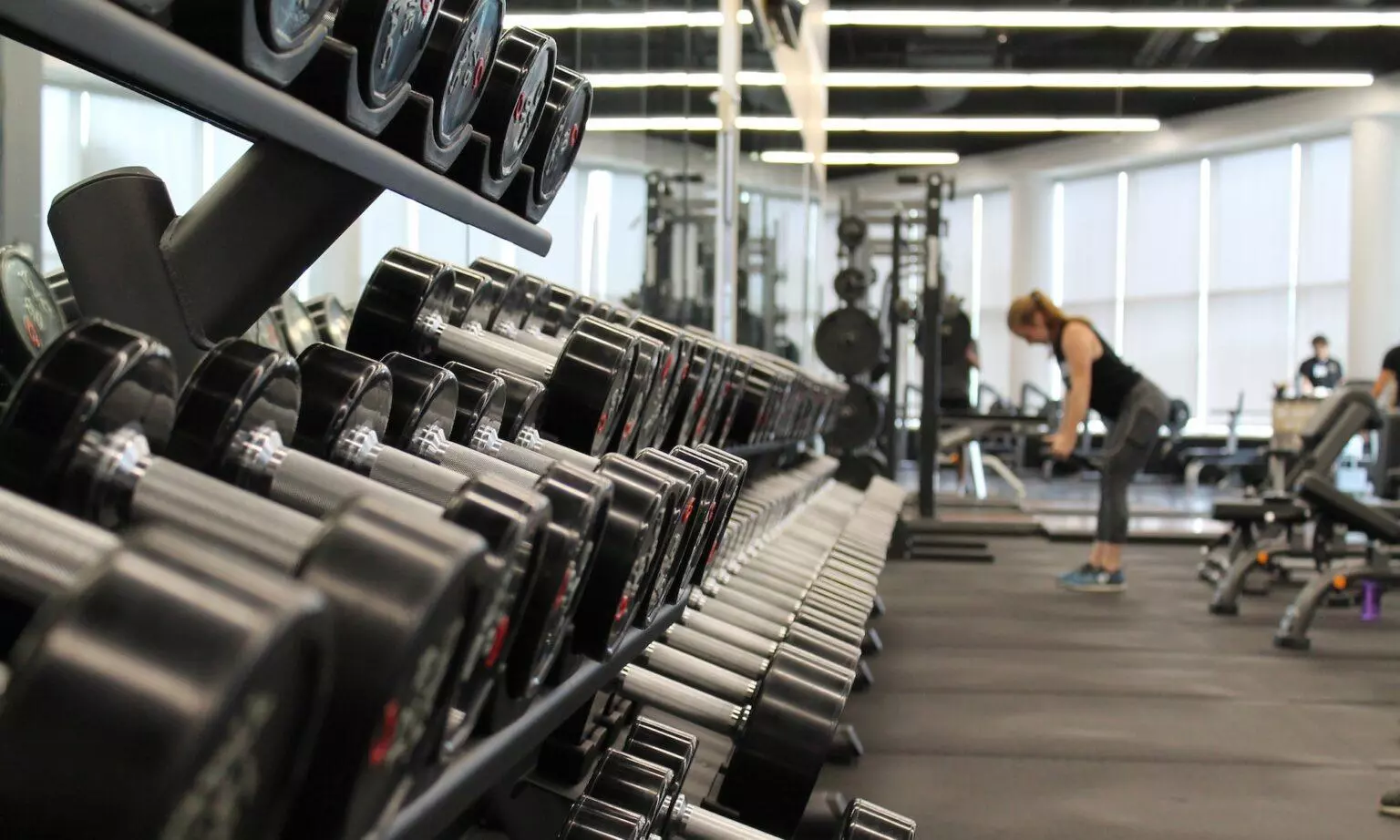
The move rewrites a public narrative once centered on access, prevention, and community programs into a solo-performance script aimed at a specific subculture. Witnesses describe a Manosphere vibe, an appeal to alpha aesthetics and performative grit, rather than policy solutions for food insecurity, research funding, or SNAP support. Local fitness leaders and public health advocates feel sidelined, as messaging emphasizes image over systems reform. Coach Marcus, owner of Iron Harbor Gym, watched the clip and assessed public reaction in his community, noting increased recruitment to influencers but declining trust in federal health strategy. This shift marks a new phase for the Conservative Movement, where wellness functions as spectacle within a broader Cultural Phenomenon. Insight: the spectacle reveals priorities within a declared Political Partnership, not a serious plan for population health.
Why the RFK Jr. and Kid Rock Alliance reads as an Unlikely Collaboration for MAHA messaging
The pairing between a health official and a shock-rocker defies conventional campaign logic. The alliance blends political pedigree with celebrity provocation, a formula aimed at viral impact more than policy clarity. Observers note echoes of online masculinity forums, where fitness serves as identity work more than public health work.
From sincere outreach to performative branding within the Manosphere
Early RFK Jr. videos emphasized access to clean water and lower barriers to care, images of families in forests, and older adults exercising outdoors. The new clip pivots toward macho aesthetics, with scenes focused on bravado over resources. Coach Marcus reported younger men in his gym referencing the video as motivation while ignoring structural health issues in their families. Insight: message form matters as much as message content for who listens and who benefits.
How this Political Partnership reshapes public health optics for the Conservative Movement
Officials frame the video as a call to personal responsibility, urging citizens to exercise and eat whole foods. Critics point out a mismatch between rhetoric and policy moves, including cuts to research budgets and nutrition assistance. The result: a hollowed message that highlights individual action while removing programs that support healthy choices for people with limited resources.
- Messaging shift: Personal fitness replaces systems reform as the primary health narrative.
- Audience targeting: Content appeals to online male subcultures, especially the Manosphere.
- Policy gap: Visual calls for action contrast with federal reductions in food and research funding.
- Local impact: Community clinics report confusion among patients about where to seek assistance.
Example: a county clinic in Ohio logged a spike in callers asking about exercise programs after the clip circulated, while requests for food assistance went unanswered due to staffing cuts. Insight: optics alone do not deliver health outcomes.
How trainers and community leaders should respond to this Cultural Phenomenon
Local leaders must reclaim practical health work from headline stunts. Coach Marcus launched a free weekly class for parents who lost SNAP support, pairing strength work with food-prep clinics. His program used measurable intake forms and partnerships with a regional food bank, producing attendance gains and improved self-reported energy among participants.
Action steps for grassroots response
Three pragmatic moves help preserve community health in this climate.
- Measure needs: collect simple intake data at gyms and clinics to track food security and access to care.
- Build coalitions: link trainers with local nutritionists and elected officials to push for funding restoration.
- Communicate evidence: publish short reports showing program outcomes to counter spectacle-driven narratives.
Insight: practical efforts create resilience against message-focused campaigns.
Our opinion
The MAHA clip with RFK Jr. and Kid Rock represents an Unlikely Collaboration that reframes public health as a performance. The move appeals to a portion of the electorate within the Conservative Movement and within online male subcultures, while offering no pathway to restored research funding or stronger safety nets. Local leaders like Coach Marcus show a different route, combining exercise, food access, and data to produce measurable benefits.
Final insight: voters deserve messages tied to policy outcomes rather than celebrity theatrics. Readers should ask candidates for concrete plans on nutrition support, research investment, and community programs, not only viral images. Share this piece with a local leader or elected official to prompt that conversation.