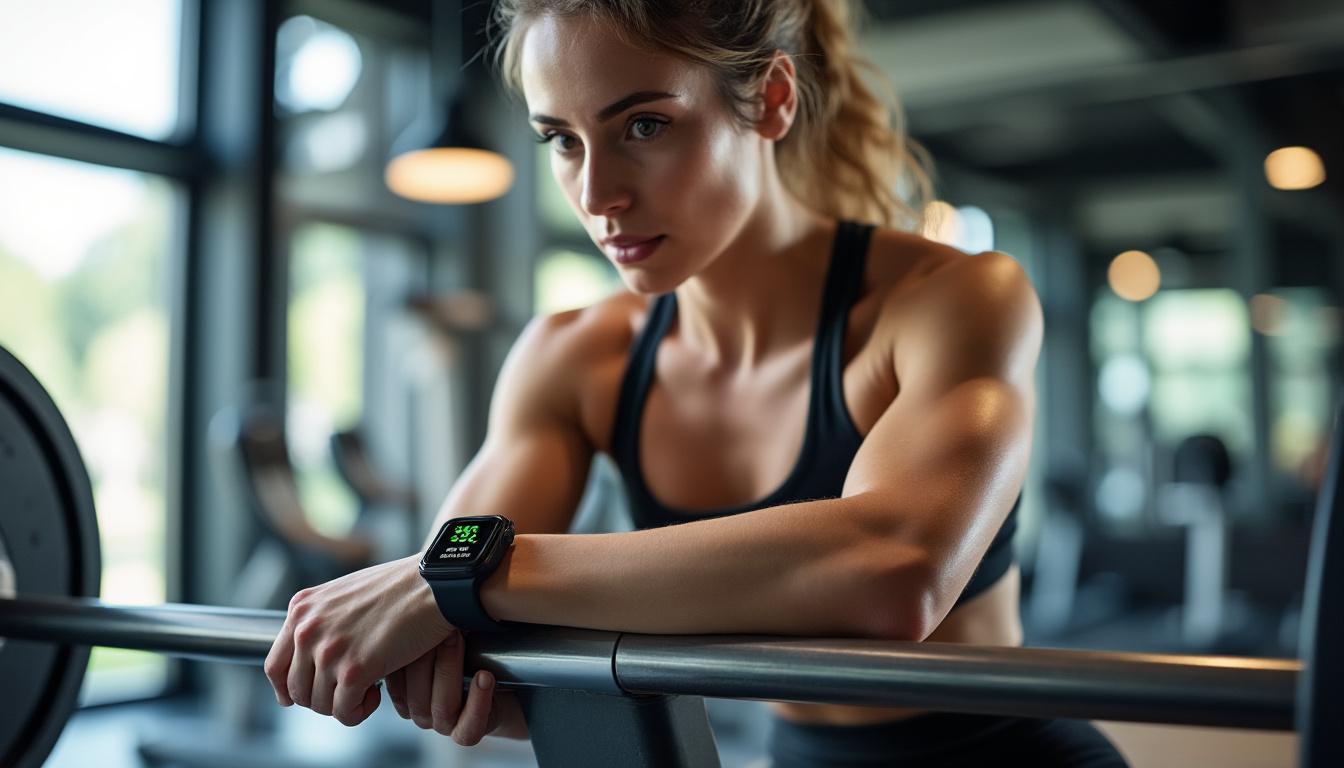
Since June last year, I tested a range of AI fitness tools while wearing an Apple Watch and an Oura Ring. My goal was simple, build a routine and keep progress visible. Early skepticism met rapid pattern detection, and the experiment turned into a practical lesson about AI fitness strengths and limits.
I expected generic plans, repetitive workouts, and shallow reminders. Instead, the combination of sensors and fitness apps produced suggestions that matched daily energy, sleep, and stress data. After a few weeks the recommendations shifted from formulas to context aware prompts, improving workout tracking and shaping a sustainable fitness journey.
Across six months the most surprising outcome involved motivation dynamics. Short, targeted sessions suggested on hectic days increased session frequency. Long strength blocks programmed for recovery weeks reduced fatigue. Those unexpected results showed health technology offering practical guidance, not pressure. Final insight, personalized use of AI fitness and fitness apps rewards consistent habits more than perfect plans.
6-Month AI Fitness Apps Journey: pattern recognition and progress
The first month highlighted pattern detection. Device metrics revealed sleep dips and high-stress windows, which led to shorter sessions on busy days. After three weeks the Apple Fitness+ style suggestions adjusted session length, replacing a planned 45-minute HIIT with a focused 10-minute yoga session on a packed Wednesday.
Using AI fitness for smarter workout tracking and personalized training
When strength training began in August, the fitness apps proposed balanced routines covering different muscle groups. The apps used past sessions and recovery signals to avoid repetition and reduce decision fatigue. Those tailored choices improved adherence while preserving energy for key workouts.
Example: after six weeks the app suggested alternating heavy lifts with mobility sessions. That change kept progress steady and prevented burnout. Final insight, combining recovery data with programmed sessions yields better outcomes for your body.
AI fitness and exercise motivation: virtual partners that push and support
Audio coaching surprised me. A guided run with upbeat cues shifted my perception of running. The virtual trainer used pacing suggestions based on recent heart rate trends, improving perceived effort during intervals. Those coaching elements increased session enjoyment and sustained momentum.
How personalized training adapts to daily energy and schedule
By October suggestions matched morning energy for calm yoga and evening slots for high intensity work. The apps adapted without pressure, offering options for shorter sessions or longer blocks. That flexibility kept workouts in play during travel and work peaks.
On balance, the mixture of wearable data and algorithmic recommendations improved both adherence and outcomes. Final insight, matching session type to energy levels reduces missed workouts while increasing quality.
Practical takeaways from a 6-month AI fitness experiment
Use the following actions to extract value from AI fitness tools and fitness apps. Each item includes a brief example drawn from the six-month test.
- Track context, use sleep and stress data to pick session length, example: choose 10 minutes of yoga on high-stress days.
- Mix intensity, alternate strength and mobility to prevent plateaus and fatigue.
- Follow data cues, prioritize recovery weeks when resting heart rate rises.
- Use audio coaching, apply pacing prompts to maintain effort during runs.
- Set micro goals, aim for small wins such as three active sessions per week to build momentum.
Final insight, simple rules plus consistent tracking yield measurable progress on your fitness journey.
AI fitness apps versus old routines: unexpected results and lessons
Old routines relied on habit repetition, often ignoring recovery signals. The fitness apps offered a new approach, using sensor trends to adjust load. During the experiment I moved from stubborn HIIT sessions to a smarter blend of intensity and recovery, which improved consistency.
Practical example, a week with three shorter sessions produced higher weekly activity than a single long session. Final insight, adaptive plans often outperform fixed schedules for long term results.
Resources and further reading on technology and fitness
Explore practical guides and cautionary notes linked below to refine your approach to digital health and technology and fitness.
- Assess your fitness level with data driven checks
- How to outsmart routine fatigue using adaptive plans
- Prioritize fitness goals for steady gains
- Top Android fitness apps for wearable integration
- When an unforgiving AI fitness coach harms progress
Final insight, balance enthusiasm for health technology with careful choice of apps and settings to protect motivation.
Our opinion on AI fitness apps after six months
The verdict is pragmatic. AI fitness and fitness apps improve adherence through pattern recognition and contextual recommendations. Predictive suggestions reduced decision fatigue while increasing session frequency.
Risks include excessive reminders that add pressure and overly rigid algorithms that ignore personal nuance. Use apps that offer adjustable guidance, prioritize your goals, and respect recovery signals.
Final insight, adopt AI fitness tools as a training partner, not an authoritarian director, and your long term progress will benefit.