

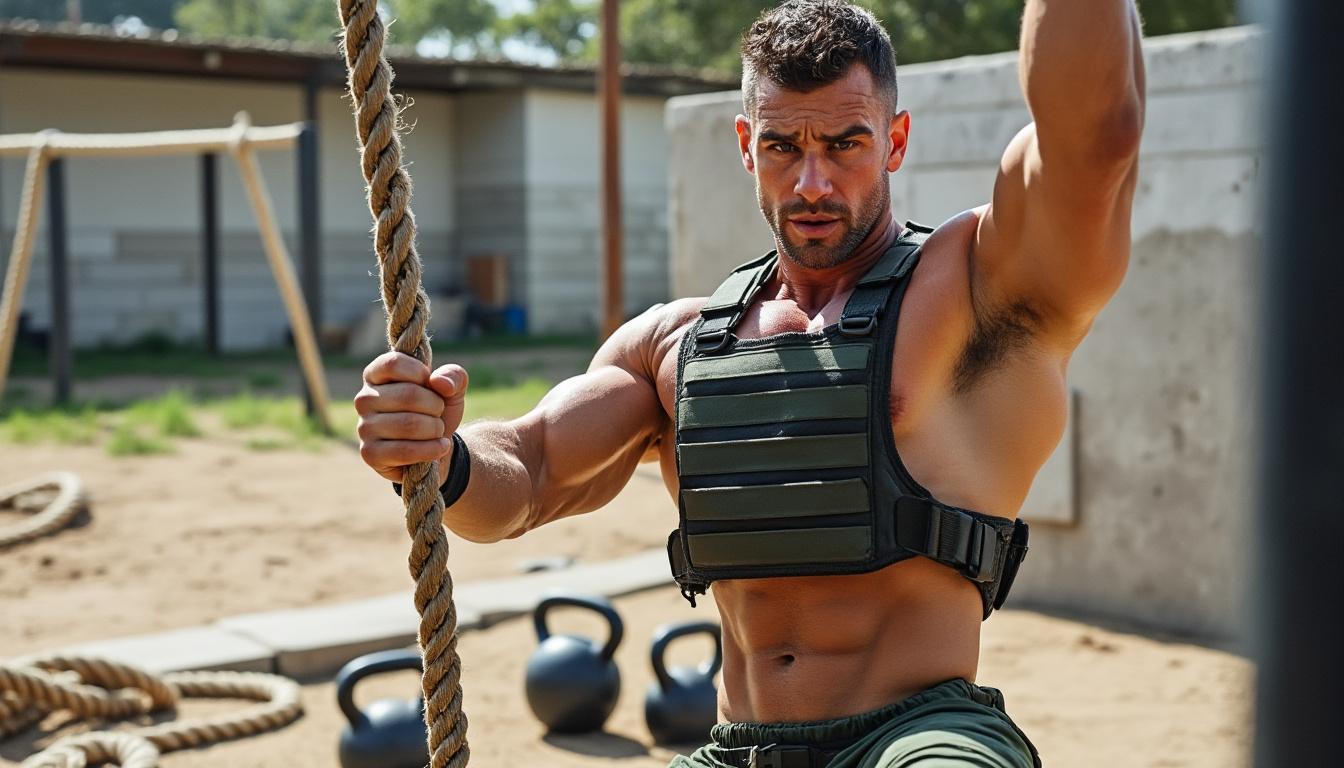
The Ultimate 2026 Blueprint delivers a Master Trainer plan for achieving peak military conditioning. This guide drops the fluff and focuses on battle-tested work: progressive overload, ruck marches, interval stress, recovery routines, and gravity-based strength. You will meet a recruit named Alex and a veteran named Maria. Alex arrives with a ship date and raw motivation. Maria returns from service with joint wear and a goal to move well through midlife. Both follow the same hardware principles, with different pacing and checkpoints. Expect clear standards for movement, a simple workout plan that builds durability, and a recovery protocol that preserves gains. The plan anchors on three pillars: load carriage for real-world endurance, high-intensity intervals for performance, and bodyweight strength for resilience. This article pairs concrete drills with progress checks and links to official standards so you know when you are ready. You will find actionable steps for passing tests, avoiding early injury, and sustaining fitness after service. Read on to adopt a military-grade program. Follow the sequence, respect recovery, and measure progress with objective markers. End result: greater capacity, reduced injury risk, and a training path designed by a Master Trainer who trains units for real missions.
Military Conditioning Blueprint for Peak Performance
Alex is 19 and zeroed in on Basic. The first priority is a durable aerobic base and joint preparation. Start with ruck walks, progress loads slowly, and avoid running with weight early.
Set a baseline with a 2-mile loaded walk at an easy pace. Aim for a 15-minute mile on that load before adding distance or weight. Load progression must feel manageable yet challenging.
Ruck march method for endurance and resilience
Rucking builds functional muscle mass and spine stability. Use packs loaded to 25 to 35 pounds for general conditioning and higher loads as the body hardens.
Develop a steady, short-stride shuffle that preserves energy. Practice gradual increases to avoid stress fractures and ankle sprains. For official standards and sample progressions consult the Air Force training standards to match service benchmarks.
Strength Training and Bodyweight Work for Military Fitness
Gravity remains the most reliable equipment for operational strength. A mastery of hand-release push-ups, dead-hang pulls, and loaded carries produces a durable, mobile body.
Practice the hand-release push-up with full disengagement of the hands each rep. For recruits the focus is strict repetition and fast muscle memory formation. Veterans use slower tempo to restore posture and upper-back strength.
Bodyweight protocol and Master Trainer cues
Master Trainers emphasize full range and control. A typical session pairs strength drills with mobility work for joint longevity.
Follow programmed progressions found in practical guides like the viral military workout to learn rep schemes and session pacing appropriate for both recruits and veterans.
Cardio Strategy: Zone 2 and Intervals for Physical Conditioning
Split cardio into two aims. For performance, use intervals to raise VO2 max. For longevity, use low-impact Zone 2 work to rebuild aerobic capacity without joint damage.
Recruits should include 400 and 800 meter repeats that mimic test stress. Veterans should follow the Talk Test for steady-state days. If speech is labored, reduce pace and hold for longer duration.
Interval plan for recruits and steady-state plan for veterans
Intervals require short rest and high effort to trigger adaptation. Keep sessions measured and sparse to avoid overreach. Use the assess fitness level tool to pick starting intensities and retest every four weeks.
Zone 2 sessions at low heart rate deliver fat loss and mitochondrial improvement. Combine with ruck walks for time efficient conditioning.
Recovery, Mobility, and Injury Prevention
Recovery is non negotiable for sustainable gains. Foam rolling and long static holds free adhesions and restore range at key hinge points.
Spend two minutes on tender areas until sensation shifts. Follow with 30 second holds for hips and thoracic spine to correct posture. If a joint grinds, reduce load and address mobility.
- Pre-ruck checklist: proper footwear, pack fit, gradual load
- Session markers: perceived effort, heart rate, recovery quality
- Daily mobility: foam roll, thoracic extension, hip flexor stretch
- Progress checks: timed loaded walk, HRP form, interval pace
Programming Examples and Real-world Cases
Case 1, Alex follows a 12 week ramp. Weeks 1 to 4 focus on 20 minute rucks and technique. Weeks 5 to 8 increase load and include interval days. Weeks 9 to 12 simulate test conditions with full kit.
Case 2, Maria uses three low-impact cardio days and two strength sessions per week. Sessions focus on controlled HRP, loaded carries, and targeted mobility. She avoided running until her hips and ankles strengthened.
Find applied guidelines for diverse populations at fitness guidelines for women and review military fitness standards at Hegseth military fitness standards.
Our opinion
Military Conditioning requires simple principles executed with discipline. Prioritize progressive overload, low impact aerobic work, and strict bodyweight mechanics. Rucking builds real-world endurance. Intervals build performance. Hand-release push-ups rebuild posture and upper-body power. Recovery preserves mobility for long careers and full lives after service.
Follow the sequence in this guide, measure progress objectively, and adjust based on pain signals and recovery metrics. For resources on assessment and exemptions consult the official pages such as airmen fitness exemptions. For critique on testing methods explore historical analysis at Virginia military fitness bias. Use the blueprint to build a resilient body and a reliable training habit that lasts beyond a single season.