
Air Force leaders announced a wide sweep of new regulations on training, grooming, and fitness standards that will reshape daily life for many service members. A Sept. 30 directive from Secretary Pete Hegseth launched reviews of education and combat training, ordered a plan for religious beard accommodations, and demanded fieldable combat assessments for frontline specialties. The longest U.S. government shutdown interrupted planning, causing weeks of delay and pushing major policy rollouts into the coming year. Officials emphasize readiness and discipline while aiming to balance inclusion and equipment safety. The updated physical fitness assessment will run twice per year and expands the run to two miles. Units must deliver fitness training every duty day, and personnel who fail annual respirator seal checks forgo deployment status. Expect phased implementation, service-specific tests, and tighter links between performance and personnel development. This report breaks down the rules, shows who faces the new standards, and gives practical steps you should adopt now to meet expectations and protect career options.
Air Force training changes explained: what leaders ordered
An order requires each service to review education and training programs and list changes since 1990. Leaders want a clear case for any standard change linked to modern combat needs or equipment. The aim focuses on restoring combat-ready tasks and measurable outcomes for warfighting jobs.
- Review education and course standards since 1990.
- Report reasons for any lowered standards.
- Create recommendations to restore former requirements where needed.
An Air Force official said the shutdown removed 43 days from policy drafting. That delay pushed back timelines for implementation and outside-office reviews. Units now plan phased rollouts with testing windows aligned to operational cycles.
- Phased timelines for implementation.
- Service-level adjustments based on mission sets.
- Coordination with personnel offices for separations and deployability flags.
Insight: Expect stricter training audits and restored tasks for combat roles.
Why the review started and what it targets
The directive stems from a push to realign standards with historical benchmarks and operational demands. Leaders reference a “1990 test” to compare then-current standards to present rules. Review teams must justify each deviation by linking it to mission shifts or new threats.
- Targeted areas include physical tasks, marksmanship basics, and combat maneuvers.
- Education content will undergo scrutiny for combat relevance.
- Recommendations will balance readiness with modern equipment and tactics.
Insight: Expect specific course restores where reviews show performance gaps.
New combat field tests and updated physical fitness rules
Services must design a combat field test for troops in combat arms, executable with full gear in any environment. For the Air Force, affected jobs include tactical air control party, pararescue, combat rescue officers, and explosive ordnance disposal. Special Operations already uses similar assessments for several specialties.
- Tests must be executable with combat equipment.
- Service-determined standards set local scoring and pass thresholds.
- Assessments will run alongside the formal fitness test.
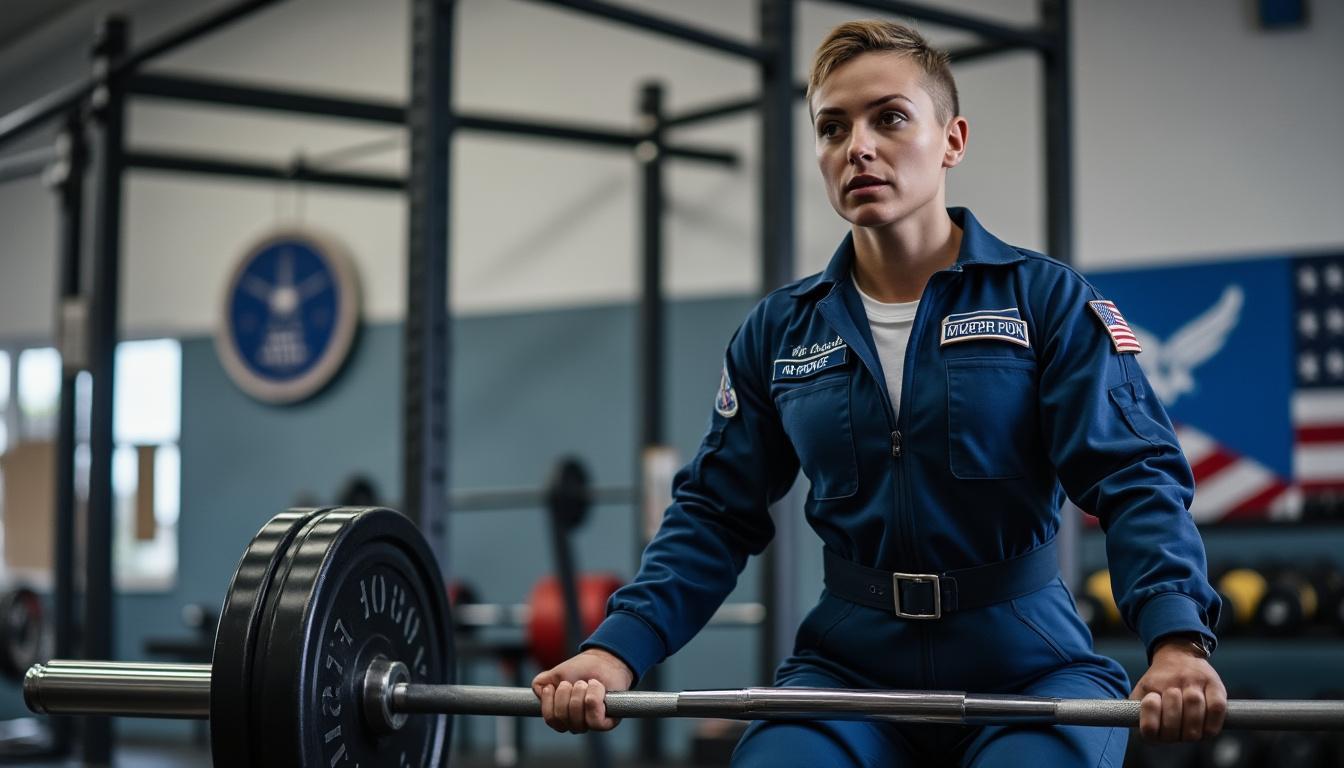
The active component must take two formal fitness evaluations per year. The Air Force updated its physical fitness assessment to a four-part test and extended the run portion to two miles. Units must also schedule daily fitness training as an official duty requirement.
- Biannual physical fitness evaluations for active members.
- Daily on-duty fitness training for all units.
- Non-deployable flags for repeated failures on protective equipment checks.
Insight: Your daily routine must include structured fitness sessions to protect deployability and promotion prospects.
Who faces the new tests and what success looks like
Field tests will apply to ground-facing Airmen and explosive ordnance teams. Special tactics jobs inside Air Force Special Operations Command will follow existing AFSOC standards. Commanders will set execution parameters and training plans to reach new pass marks.
- Affected jobs: tactical air control party, pararescue, combat rescue officer, EOD.
- Special tactics follow AFSOC protocols.
- Leaders will publish clear pass/fail metrics and remediation steps.
Insight: Units that plan deliberate practice cycles will outperform those that treat fitness as optional.
Grooming rules, religious accommodations, and deployability
New guidance restricts beards, goatees, and facial hair that impair chemical mask seals or firefighter respirators. Religious accommodations for Sikhs, Muslims, and others remain possible, but applicants must complete annual seal validation training. Failure to pass seal tests or to comply with fit checks triggers a non-deployable status.
- Beards that affect protective equipment seals will not pass standards.
- Annual respirator seal training required for all personnel with facial hair accommodations.
- Non-deployable flags apply after failed tests or denied exemptions.
Airmen may keep mustaches, with limits to avoid the respirator seal zone. The Air Force issued specific appearance memoranda to align dress rules with operational safety.
- Mustache limits set by the updated appearance policy.
- Shaving waiver processes updated to include annual checks.
- Operational safety drives grooming rules more than aesthetics.
Insight: Proper respirator fit will decide deployability for those with facial hair, so follow training schedules closely.
Practical steps for personnel development and uniform standards
Leaders link uniform standards and personnel development to readiness. Units must document fitness programs and education updates in personnel records. Airmen who fail to meet deployable criteria for 12 consecutive months face administrative separation.
- Document training outcomes in personnel files.
- Track remedial programs and retest dates.
- Coordinate early with supervisors to preserve deployable status.
Insight: Proactive tracking and early remediation protect careers and unit readiness.
Implementation timeline and what you should do now
Officials expect phased policy rollouts during the coming year. Some items will need service-specific tailoring. Units will receive implementation plans, guidance on testing windows, and templates for recording exemptions and non-deployable flags.
- Watch for phased rollouts aligned to unit readiness cycles.
- Use command guidance to plan retests and remedial training.
- Maintain records of training and fit checks to avoid administrative separation.
Practical actions you should take now include building a six-month training calendar, scheduling respirator seal training if applicable, and reviewing unit fitness plans for daily sessions. Use available resources for measuring and improving performance.
- Create a biweekly strength and endurance plan.
- Schedule respirator fit checks in unit medical appointments.
- Meet with leaders to review individual development plans.
Insight: Early preparation reduces risk and positions you for selection to key roles.
Resources and further reading
For practical guidance on assessments and program design, consult resources that explain modified PT tests and inclusive assessment approaches. These sources provide templates, measurement tips, and training progressions useful for unit planners and individuals.
- Overview of Air Force PT test modifications
- Hegseth military fitness memo
- Healthier military guidance and analysis
- Inclusive fitness assessment for ordnance and technical roles
- How to assess your fitness level quickly
Insight: Use established training templates to meet unit timelines and protect deployability records.