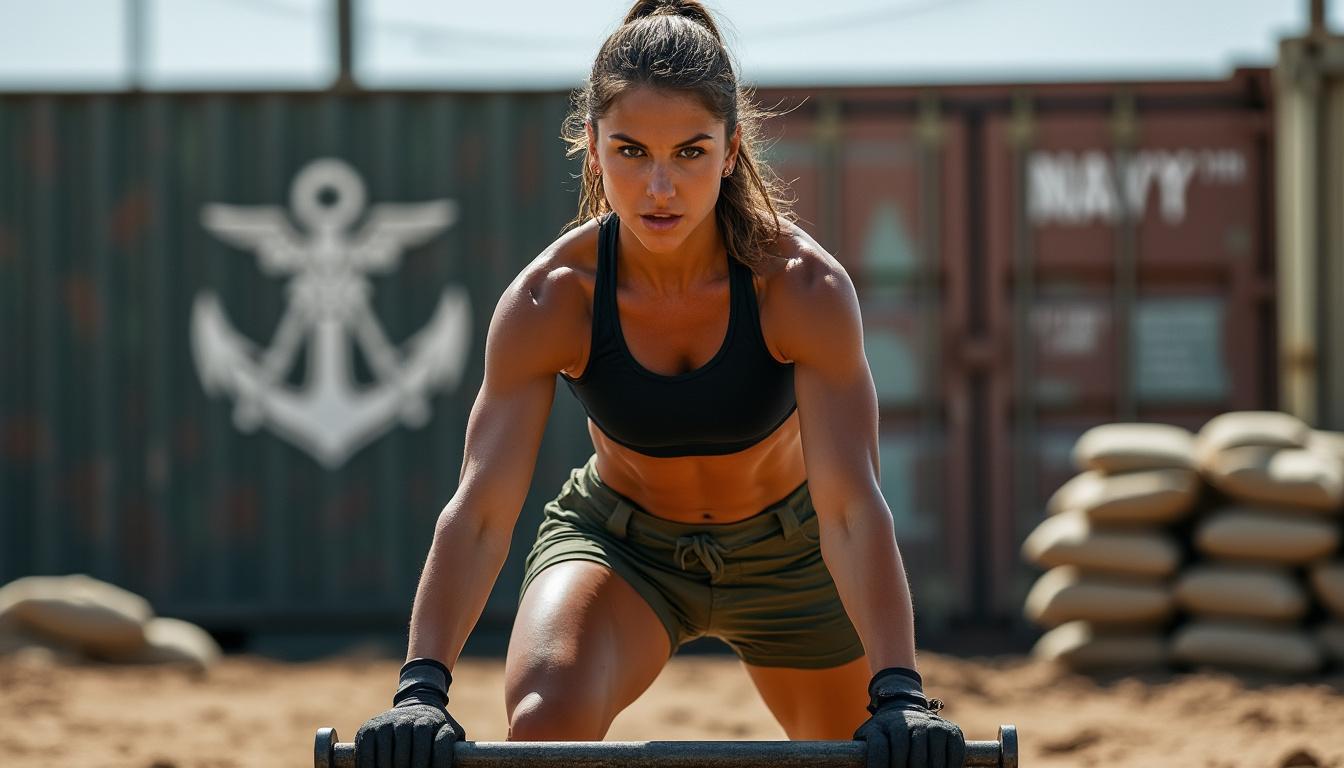
Navy Combat Fitness Test rolls out as a new standard for SEALs, Fleet Divers, and other Specialized Units. The policy shifts physical readiness from a single annual check to a dual cycle for most sailors, while combat arms personnel will face both the regular Fitness Assessment and a new, unit-focused Combat Fitness Test. The four-part evaluation blends aquatic skills and weighted strength with a loaded run, mirroring real mission demands. Petty Officer Ramirez, a fictional SEAL candidate used here as a guide, found early training changes forced updates to swim routines, pushup technique under load, and rucksack pacing. Commanders set specific standards for Operational Fitness and Military Readiness across age groups, with SEALs and Special Warfare Combat Crewmen held to higher scoring bands than EOD techs and Fleet Divers. Reserve personnel on active duty beyond 12 months will follow both assessments, while shorter tours require annual combat testing only. Medical waivers will yield a partial-pass when the remaining sections pass. This overhaul aligns with Defense Secretary Pete Hegseth’s sex-neutral guidance, and it will reshape daily Physical Training for teams preparing for high-stress missions. Final insight, Ramirez style: training that imitates missions yields faster gains in unit readiness.
The Navy Combat Fitness Test tests four core skills. First, a timed 800-meter swim in pool or approved open water. Second, a two-minute pushup set while wearing a 20-pound weight vest or plate carrier. Third, un-timed pullups with the same load. Fourth, a timed one-mile run wearing a 20-pound rucksack or vest. Each event enforces strict form rules, and resting windows sit between events to simulate recovery during operations.
SEALs and Special Warfare Combat Crewmen face higher passing thresholds than EOD techs and Fleet Divers. For ages 17 to 29, a top-tier SEAL score requires an 800-meter swim under 11 minutes 20 seconds, 54 pushups, 21 pullups, plus a mile run in eight minutes or less. EOD and divers need the same swim and pushup counts, but pullups and run times relax to 17 reps and a 10-minute mile for high marks. Final insight: event parity with role-based standards ties fitness to task performance.
How the new standard reshapes daily Physical Training for combat jobs
Units will integrate the Navy Combat Fitness Test into routine cycles. Workouts will alternate aquatic sessions, weighted calisthenics, grip-focused pull routines, and loaded runs. Commanders will track progress with periodic mock tests and role-specific drills emphasizing fatigue management.
Practical change example, Ramirez shifted from dryland dominance to mixed swim and load work. The result showed faster adaptation to the new assessment layout while improving mission-relevant endurance. Final insight: blending pool work with weighted strength produces measurable operational gains.
Implementation across active, reserve, and unit-specific training
The policy requires most sailors to complete two annual physical checks, while combat arms will take a regular Fitness Assessment plus the Combat Fitness Test. Reserve personnel on active duty longer than 12 months will follow the active schedule, while shorter tours require a single annual combat-focused test. Leadership will determine open water approval and allowable gear per location.
Training leaders will map workouts to unit tasks, creating Unit-Specific Training blocks. Examples include deck-to-deck swim drills for SWCC and heavy-gear pull circuits for EOD crews. Final insight: aligning physical preparation with job demands reduces test failure rates and improves readiness on missions.
Practical preparation list for sailors facing the Combat Fitness Test
- 800-meter swim practice, include timed sets with fins and breath control drills.
- Weighted pushup sessions, two-minute sets with strict form under load.
- Grip and pull strength cycles, daily negatives and full-range pullups with 20-pound vest.
- Ruck intervals, progress distance and pace toward a one-mile timed run with rucksack.
- Recovery protocol, focused breathing, mobility, and short active rests between efforts.
Ramirez applied these steps over eight weeks and raised his pullup count by five reps while improving swim pace. Final insight: structured progression yields faster improvements than random training.
Policy context, fairness, and links for further reading on military fitness
The new Navy Combat Fitness Test links to broader Pentagon guidance on sex-neutral standards released under Hegseth. Units will adjust grading curves and administrative actions tied to multiple failed assessments over four years. The Navy also published changes to the annual testing cadence for all sailors, creating a biannual rhythm that aims to sustain readiness year round.
For additional context consult material on evolving service policies and readiness programs. Read analysis on navy biannual fitness and review implications in wider force programs via air force training standards. Explore reserve rules and exemptions through airmen fitness exemptions. For guidance tied to sex-neutral fitness policy consult Hegseth fitness guidelines. To assess individual starting points use tools at assess fitness level.
Final insight: informed training plus transparent standards delivers stronger units ready for operational demands.