
Science-Backed Methods to Accurately Assess Your Fitness Level
Assess your fitness level using practical tests and modern tools. This guide helps you read data from a 1-mile run, lab-grade VO2 max measures, and body scans such as DEXA Scan. It explains how wearables from Fitbit, Garmin, Whoop, and Polar fit into a real program. Use this resource to assess your fitness level with clarity, align goals with science, and track progress you can trust. The aim is simple. Replace noise with metrics that matter. Learn which tests reveal cardiovascular risk, muscle reserve, and mobility for long-term independence. The chapter-style layout helps you compare methods, pick the right test for your body, and plan follow-through steps you will actually stick to. Assess your fitness level with a plan built on evidence, practical tools, and achievable benchmarks.
Assess your fitness level: science-backed aerobic tests
Use aerobic tests to measure cardiovascular capacity. The 1-mile run and the Cooper 12-minute test give fast, useful signals about endurance. Lab measures provide precision, while field tests provide accessibility.
- 1-mile run, timed outdoors or on a treadmill, gives an easy proxy for VO2 max.
- Cooper test, distance covered in 12 minutes, suits group assessments.
- Lab VO2 max, measured in physiology labs, gives the most accurate oxygen-use value.
- Stationary bike or rowing time trials offer valid options for those with joint limits.
Data from physiology studies link higher VO2 max to lower cardiovascular risk. Wearables such as Fitbit and Garmin estimate VO2 and heart rate zones, which helps track trends between formal tests. Use a lab measure once per year when possible and use field tests every 6 to 12 weeks to track progress.
Practical tip: set a baseline with one formal test, then log improvements with your wearable and MyFitnessPal for nutrition tracking. This approach helps you assess your fitness level over months rather than days. Final insight: prioritize relative gains over fixed targets.
Assess your fitness level: strength tests and body composition
Strength tests reveal muscle reserve and mortality links. Use simple exercises and body scans to form a clear picture. Push tests reflect upper body and core capacity while scans quantify lean mass.
- Push-ups: aim to progress total reps. Benchmarks differ by age and sex, use progress as the priority.
- Pull-ups: a functional indicator of strength-to-weight balance.
- Plank: target a solid one-minute hold with strict form for core assessment.
- DEXA Scan, Tanita, BodPod, and InBody provide body composition data, each with trade-offs in cost and precision.
A research-backed note: higher muscle mass links with lower disease incidence. Use a DEXA Scan for accurate bone and lean mass numbers when aim requires high precision. Use Tanita or InBody for frequent clinic checks. Track weight and nutrition with MyFitnessPal and pair scans with strength tests to build usable goals.
Example: Alex, a 45-year-old office worker, moved from 8 to 25 push-ups over 6 months while improving DEXA lean mass by measurable amounts. This translated to higher daily energy and easier stair climbs. Final insight: pair strength benchmarks with body composition for actionable progress.
Assess your fitness level: mobility, balance, and functional tasks
Mobility predicts independence more than many popular metrics. Use simple screens to reveal joint range and balance for daily living performance.
- Sit-to-stand test, timed repeats, measures lower-body strength and functional balance.
- Floor-to-stand, ability to rise without hands, shows combined strength and mobility.
- Single-leg balance and timed reach tests measure fall risk and coordination.
- Sit-and-reach measures hamstring flexibility, but use as one piece of a mobility matrix.
Clinicians use these tasks to predict outcomes such as fall risk and loss of independence. Programs that mix mobility drills with strength and aerobic work produce the strongest gains in daily function. For an inclusive view of fitness standards across ages, consult an assessment guide that compares lifespan benchmarks and test selection.
Link example: read about lifespan-focused assessment approaches in our resource on fitness assessment and lifespan benchmarks.
Final insight: mobility tests reveal actionable deficits that training addresses directly.
Assess your fitness level: using wearables and digital tools
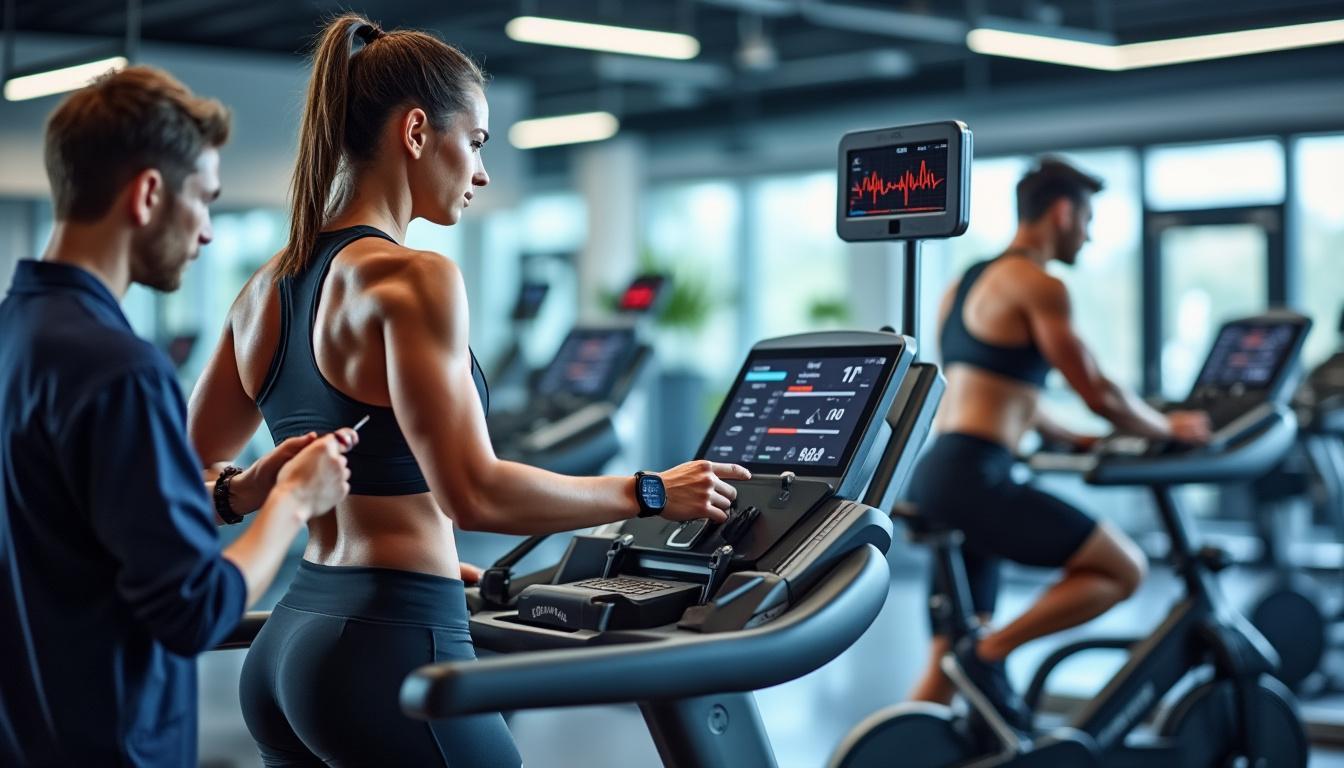
Wearables and apps make frequent measurement practical. Use them to track trends and detect plateaus. Devices vary by metric and accuracy.
- Fitbit, Garmin, and Polar record heart rate, GPS pace, and sleep metrics.
- Whoop focuses on recovery and strain scores for training load decisions.
- Withings and smart scales link weight trends with body composition estimates.
- Use MyFitnessPal to log calories and macronutrients alongside activity logs for a complete picture.
Wearables estimate values such as VO2 and recovery. Lab scans such as DEXA Scan and devices named earlier validate wearable trends. Avoid overreacting to daily spikes. Focus on weekly averages and trend direction.
Connect tools with behavior. For example, Strava growth shows how social tracking drives activity spikes. Learn more in our analysis of Strava and growth trends.
Final insight: use wearables for trend tracking and scans for periodic validation.
Our opinion: assess your fitness level with purpose
Use mixed measurements to form a clear picture. Combine field tests, strength checks, mobility screens, and occasional scans. Pair hard data with daily logs from apps and devices. For balanced guidance, explore case studies from military and civilian fitness programs.
- Start with a simple aerobic test and a strength benchmark.
- Use a body scan yearly when accuracy matters.
- Track nutrition and activity with an app for consistency.
- Adjust based on function: stair climbs, floor rises, and work energy.
Further reading includes analyses of historic test programs and modern myths. See our review of the presidential fitness test, the article on military fitness myths, and the investigation on fitness trends and hospital data linking craze to admissions. For trend context, read the piece on popular group trends.
Final insight: assess your fitness level with repeated, simple measures and validate results periodically with higher-precision tools. Keep progress small, steady, and focused on daily function.