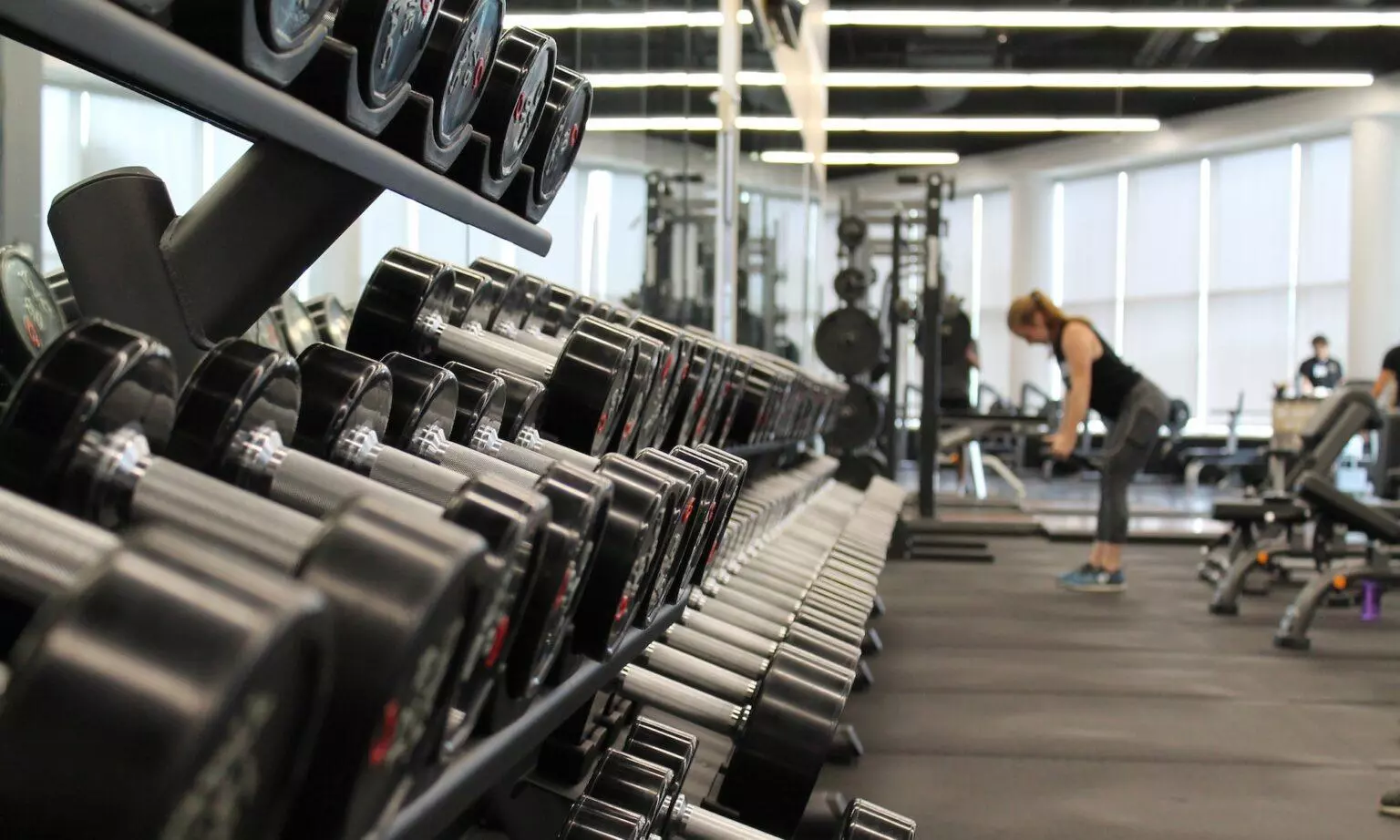

Weight Lifting moved from strongman shows to neighborhood gyms, from niche contests to mainstream fitness culture. This shift shaped apparel, media, and daily routines across the United States. Athletes, coaches, and casual lifters pushed Strength Training into the spotlight. Social trends, film stars, and community programs amplified the message that heavy lifting supports Muscle Growth and long term Health and Wellness. By 2026, research and consumer data show more people adopt resistance routines for function, posture, and sports performance. A former teacher named Sam turned local high school training into a town movement. Sam used simple protocols to help adults gain strength and drop injury rates, proving practical strength work serves the whole population. This article traces the long road of Weight Lifting through Sports History, through the rise of modern Bodybuilding, and into the current Fitness Revolution. You will read case examples, study findings, and actionable tactics to apply in your own routine. Expect clear advice on program design, recovery, and habit building. Follow the story of one gym that changed a neighborhood. The final section offers a concise view from our team, with an invitation to adapt the best ideas to your goals.
Weight Lifting in American Culture: early roots and public uptake
Strong traditions began in the late 19th century, when physical culture promoters staged public displays. Performers lifted heavy objects to prove strength and attract patrons. Over decades, these displays evolved into formal contests and organized training methods. That evolution pushed Weight Lifting toward mainstream sports and paved the way for modern Bodybuilding.
From Muscle Beach to gym chains, cultural drivers of strength
Coastal scenes and movie stars heightened interest in muscle shape and performance. Commercial gyms multiplied in the 1970s and 1980s, bringing strength work to wider audiences. That spread helped normalize Strength Training across ages and genders. Anecdote: a coach in Venice Beach started a youth program that produced national competitors and local healthy habits.
Strength Training and the Fitness Revolution: methods, media, and measurement
Modern protocols emphasize compound lifts, progressive overload, and recovery. Coaches blend science with practical drills to promote sustainable gains. Equipment variety, from barbells to weighted vests, supports different goals. For practical advice on vest work, review this piece on the benefits of weighted vests, which illustrates programming options and safety tips.
Online platforms pushed training styles and physique ideals across regions. Celebrities influenced habits through documented routines and public appearances. For a celebrity training case study, see reports about training methods from public figures, such as Jessica Biel training tips. Local trainers copy professional plans then adapt loads to match client needs.
Exercise Trends shaping Physical Fitness today
Trainers focus on function, long term resilience, and measurable outcomes. Group formats and hybrid events urge participants toward consistent strength gains. Community stories show how small rules produce big results in movement quality and injury reduction.
Top trends that define current practice
Trends reflect mobility, performance, and accessibility. Programs aim to serve beginners and seasoned athletes. Below is a clear list you can use when planning weekly work.
- Priority lifts: squats, deadlifts, presses for full body strength.
- Progressive overload: measured load increases across weeks.
- Hybrid sessions: strength plus metabolic conditioning on separate days.
- Wearable tracking: metrics guide load and recovery choices, as seen in marathon tech reports like NYC Marathon fitness trackers.
- Community challenges: events such as Hyrox illustrate competitive cross training, read about the format at Hyrox fitness challenge.
Each trend links to how trainers measure success. For beginners, simple steps yield reliable progress. For late starters, follow specific programs to limit injury and increase strength; see practical tips at fitness strategies for late starters.
Weight Lifting programs that deliver Muscle Growth and Health and Wellness
Program design depends on goals and time available. For strength focus, prioritize low rep work and steady recovery. For hypertrophy, increase volume while managing fatigue. Include mobility work to protect joints and support daily activities.
Sample weekly plan for balanced outcomes
Use this simple template when planning a four day block. Each session targets major movement patterns, with clear rest days for recovery.
- Day 1: Squat focus, accessory posterior chain, mobility work.
- Day 2: Push focus, horizontal pressing, shoulder health drills.
- Day 3: Rest or light active recovery, short mobility flow.
- Day 4: Deadlift or hinge focus, core stability, grip work.
- Day 5: Pull focus, vertical and horizontal rows, conditioning finish.
Sam, the coach introduced earlier, used this block with adult clients and reported fewer back complaints and steady strength returns. Data from gym logs supported those claims over twelve weeks.
Weight Lifting and Sports History: how culture shaped training access
Policy changes and public programs expanded access to gyms. Schools adopted strength work for youth athletes. Military and law enforcement programs influenced civilian practice through evidence based protocols. Historical shifts drove equipment innovation and coaching standards.
Case study: a town gym that transformed a neighborhood
In one Midwestern town, a small gym offered free youth sessions and adult evening classes. Participation rose sharply. Local health visits declined over two years. That gym used simple metrics to track improvements and shared wins publicly, which rallied more residents to strength work.
Our opinion
Weight Lifting represents a practical path to stronger bodies and longer careers. Strength training offers clear benefits for Physical Fitness, Muscle Growth, and injury resilience. Follow progressive plans, respect recovery, and adjust loads based on feedback from your body and logs.
Begin with basic moves and progress slowly. Use community resources and trustworthy guides for programming. Explore technology and gear with a critical eye, and read targeted reviews on tech and gear like the 2025 gadget guides. Apply steady work and patient progression to achieve lasting results. Share your progress with your community and keep refining your approach.