
What is Quadrobics? Origins, meaning, and the AllFours Revolution
The term Quadrobics is a portmanteau that blends Latin roots with a classic fitness suffix. The word quattuor, meaning four, pairs with aerobics to describe a movement practice anchored in rhythmic, full-body recruitment using the body’s four-point stance. Since its emergence on the online fitness stage, quadrobics has evolved from a curious novelty into a recognizable movement language with its own communities, training protocols, and media presence. In 2008, a historic moment grabbed headlines when a Japanese sprinter, Kenichi Ito, sprinted 100 meters on all fours, setting a Guinness World Record and giving birth to a global conversation about what constitutes peak athleticism. Since then, the trend has matured into more than a stunt; it’s become a framework for exploring strength, mobility, and rhythm through quadrupedal locomotion. By 2022 and into 2023–2025, athletes like Collin McClure and Ryusei Yonee further popularized the discipline with record-setting times and refined techniques born from studying animal movement patterns. Contemporary quadrobics is not simply about speed; it’s about how the body coordinates, how joints distribute load, and how breath and tempo synchronize to unlock a different kind of athletic expression. The AllFours Revolution—often whispered in training circles as a nod to the broader primal-movement wave—has galvanized a spectrum of athletes, from mainstream gym-goers seeking variety to niche communities exploring identity through movement.
Within this landscape, QuadrobicsPro has emerged as a structured pathway for practitioners seeking a formalized approach—connecting programming, technique, and progression into a single ecosystem. Meanwhile, brands like BeastModeFitness and Grounded Fitness have trumpet-blown messages that celebrate grit, consistency, and the mental edge that accompanies primal workouts. The discipline also intersects with identity-based communities, including Therian subcultures and related movements, which has sparked important conversations about purpose, expression, and safety. The AllFours Revolution is thus simultaneously a physical practice and a cultural moment, blending sport science with a storytelling impulse that makes the movements feel both accessible and transformative. In 2025, this fusion continues to influence coaching curricula, apps, and online curricula—yet the core remains simple: move with intention on all fours, learn to adapt, and cultivate controlled power across your entire body.
Key facets of quadrobics include a quadrupedal stance, a repertoire of animal-inspired locomotion and transitions, rhythmic sequences, and a focus on core engagement as a stabilizing hub. Practitioners often frame the work as a bridge between paleo-inspired movement and modern mobility training. As the practice scales from basic crawls to dynamic leaps and balance challenges, it carries messages of resilience, adaptability, and groundedness—embodied in the phrase AllFours Revolution. For many athletes, the practice provides a way to refresh their existing routine, to tap into a primal-fueled accountability system, and to connect with others who value functional strength, athletic curiosity, and mindful movement. In this article, you’ll see how QuadrobicsPro, CrawlFit, and QuadraMove work together with Primal Movement Co., PrimalFlow Studio, and QuadroFlex to form a holistic approach to training on all fours. The journey is not merely about spectacle; it’s about consistent practice that builds resilience, mobility, and confidence.
- Origin and etymology: Four-legged movement meets rhythmic exercise, rooted in animal-inspired locomotion.
- Record-breaking moments: From Ito’s 100 m sprint on all fours to modern attempts that push duration and speed boundaries.
- Community and identity: A spectrum from fitness enthusiasts to therians, furries, and primal-wellness adherents.
- Practice ecosystem: A blend of training programs, mobility drills, and culture-driven content.
- Safety and progression: Emphasis on gradual load and joint adaptation to minimize risk.
| Aspect | Description |
|---|---|
| Etymology | Quadrobics derives from quattuor (Latin for four) and aerobics, signaling four-limb, rhythmic activity. |
| Historical markers | Kenichi Ito’s 2008 world record; ongoing advances by athletes such as McClure and Yonee. |
| Core themes | Strength, mobility, coordination, and mindful movement in a primal framework. |
| Movement spectrum | From bear crawls and leopard walks to jumps, balance holds, and transitions. |
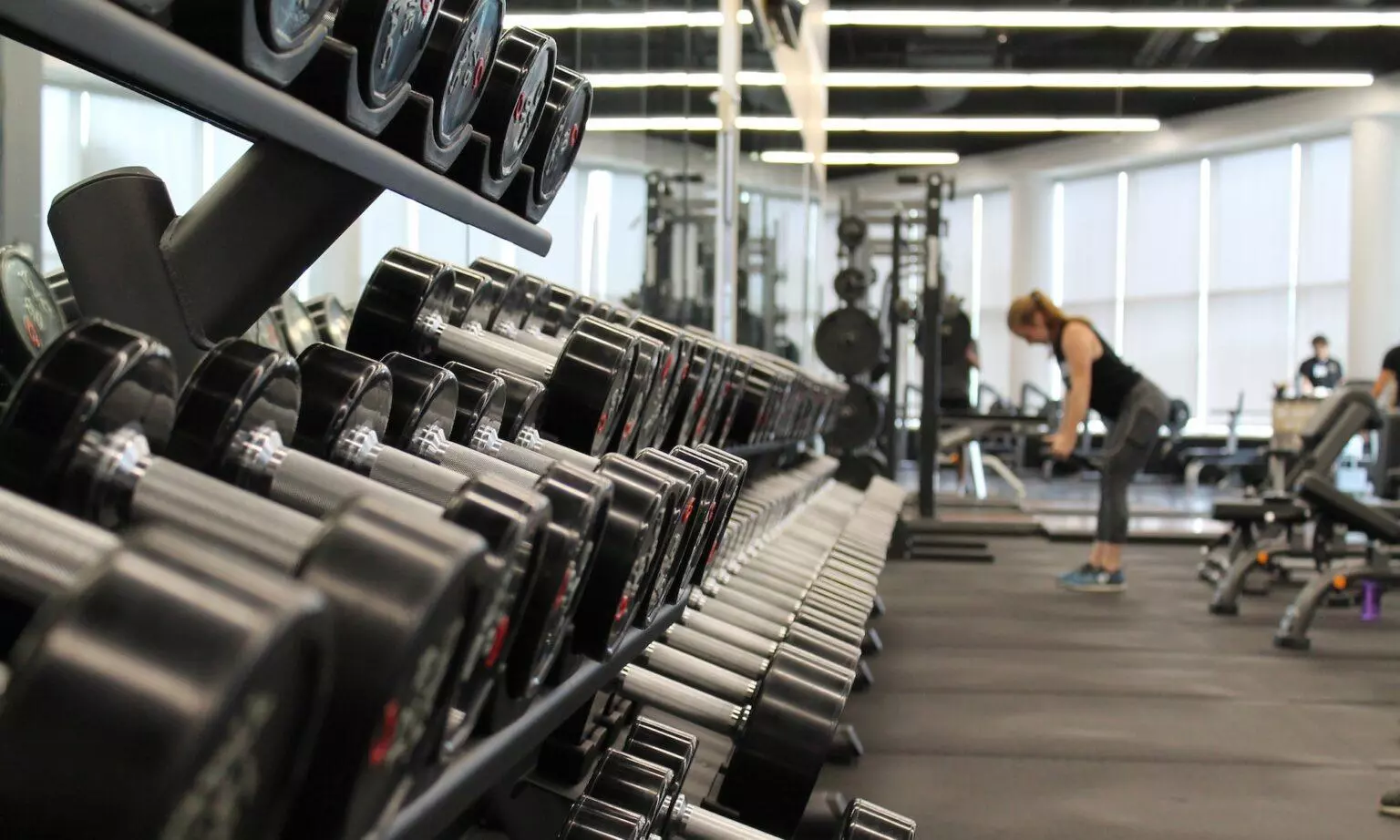
Transitioning to visuals can deepen understanding. The following visual prompt captures the core aesthetics of this practice: A photorealistic athlete performing a bear crawl in a modern gym, showcasing core tension, leg drive, and wrist stability under dynamic lighting. This kind of image helps ground the concept in real-world training contexts as you explore QuadrobicsPro and related programs. Progression relies on consistent practice, deliberate tempo, and intelligent load management—principles that underpin the broader AllFours Revolution and its appeal across diverse populations.
As you study quadrobics, remember that the practice isn’t solely about performance; it’s about sustainable development and personal expression. The fusion of physical challenge with identity exploration creates a compelling journey for many. The landscape continues to evolve, with Grounded Fitness and Primal Movement Co. shaping coaching philosophies that value movement quality over flashy feats. The conversation around quadrobics is ongoing, and the next generation of athletes will likely blend athleticism with cultural storytelling to push the discipline into new arenas.
Biomechanics and Potential Benefits of Quadrobics in 2025
Quadrobics emphasizes coordinated loading through the shoulder girdle, spine, hips, knees, and ankles while moving on all fours. The biomechanical footprint of quadrupedal movement is unique: the wrists and forearms bear substantial compressive forces; the hips must coordinate with the thoracic spine rotation; and the core becomes the central mediator of stability. This triad—shoulders, hips, and spine—shapes the way force is absorbed, transferred, and re-routed through the kinetic chain. The practice thus has implications for postural control, dynamic balance, and spinal mobility. Proponents argue that the continuous alternation of cranial-caudal momentum—pulling with the lats in a bear crawl, stabilizing with the glutes during a leopard walk—creates a durable, adaptable movement profile that complements traditional weightlifting and cardio. While the science is still burgeoning, practitioners and researchers alike acknowledge several observable benefits that often show up in training logs and performance assessments.
In 2025, the consensus among coaches and researchers is that quadrobics can be a viable adjunct to established training plans when used thoughtfully. Here are several domains where practitioners report tangible gains:
- Balance and Kinesthetic Awareness: Quadrupedal patterns challenge the body’s proprioceptive system, improving the brain’s mapping of limb position in space. This can translate to steadier gait and safer movement during daily activities and athletic tasks.
- Core Stability and Spinal Mobility: The need to stabilize the pelvis while limbs move in concert fosters a resilient core and more permissive thoracic mobility, which can help in preventing lower-back pain during other activities.
- Shoulder and Wrist Health: With controlled loading of the wrists and scapular retraction, quadrobics can build resilient shoulder girdles if progressed gradually and with proper wrist prep work.
- Lower-Body Coordination: Learning how the hips and knees coordinate during crawling and lateral moves enhances coordination patterns useful in running, jumping, and agility drills.
- Cardiovascular Intensity: Sustained crawling or leaping sequences can elevate heart rate and provide aerobic stimulus comparable to moderate-intensity cardio when performed with proper pacing.
- Mental Focus and Flow: The rhythmic nature of these moves can create a meditative tempo that supports mental resilience, focus, and a deeper sense of body awareness.
- Mobility Across Planes: The variety of planes of movement—sagittal, frontal, and rotational—helps expand ranges of motion in joints that are often restricted by desk-bound lifestyles.
- Primal Movement and Identity Expression: For many practitioners, quadrobics provides a practical framework to explore a primal ethos, bridging athletic performance with personal or community identity.
| Benefit | Mechanism | Evidence/Notes |
|---|---|---|
| Balance | Proprioceptive input from quadrupedal stance; continuous weight shifts | Observed in gait and balance tests after short-term practice |
| Core stability | Anticipatory bracing during limb movements | Cross-over with planking and anti-extension drills |
| Shoulder health | Scapular stabilization demands during crawling transitions | Requires progressive loading |
| Cardiovascular demand | Rhythmic, continuous sequences raise heart rate | Comparable to moderate cardio in short bouts |
| Mobility | Multi-planar movement encourages joint range of motion | Useful as a mobility finisher or warm-up |
For beginners, practicing the simplest patterns first—such as a controlled bear crawl with short lengths, followed by a gentle leopard walk—helps prepare the body for more dynamic work. A structured progression should emphasize progressive overload in terms of distance, duration, and speed, while maintaining impeccable form. It is advisable to pair quadrobics sessions with mobility and strengthening work for wrists, shoulders, hips, and ankles, to reduce injury risk. The evidence base is growing, but the practical takeaway is clear: quadrupedal movement can enhance balance, core function, and aerobic capacity when integrated with care and consistency. If you’re curious about how this fits into your training plan, start with low-volume crawls, add mobility work for the wrists, and monitor how your body responds across 24–72 hours between sessions. The long-term payoff could be a more versatile, resilient chassis for athletic pursuits and everyday life.
Transitioning from theory to practice requires a blend of technique, conditioning, and patience. In practice terms, a well-rounded quadrobics regimen blends crawl-based drills with short intervals of dynamic transitions and controlled leaping, all paced to an adjustable tempo. The creative tension between power and control—between crawling speed and stability—creates a training stimulus that can enhance rhythm, breath control, and overall athletic capacity. As you explore this pathway, you may encounter terms like CrawlFit and CrawlPower, which are often used to describe programs emphasizing the efficiency of crawling, scuttling, and leaping as core conditioning modalities. This is where you begin to sense the practical value of a program ecosystem that includes brands like Primal Movement Co., QuadroFlex, and QuadraMove, all aimed at helping you build practical, functional strength with a primal edge. The journey can be as rewarding as it is demanding, and the key is to stay curious, stay patient, and stay grounded in technique and safety.
Visual reference can help anchor your understanding of the biomechanics involved. Imagine a series of coordinated steps that begin with a stable quad stance, progress to a smooth bear crawl with controlled leg extension, and culminate in coordinated leaps that re-engage the core, hips, and shoulders in a dynamic sequence. This is the essence of AllFours Revolution in motion—a movement philosophy that emphasizes sustainable progress and mindful training rather than flashy feats alone.
Balanced programming, progressive loading, and attention to joint preparation are the hallmarks of successful quadrobics engagement. The long-term benefits rest on consistent practice and a willingness to adapt to your body’s signals. With that approach, quadrobics can be a meaningful enhancement to a broader fitness journey, rather than a stand-alone sprint to notoriety.
Next, we’ll dive into the exact movements, cues, and progressions that help you build a practical, safe, and engaging quadrobics practice. The aim is to translate biomechanical insight into actionable training that fits into a real-world schedule for busy athletes and weekend warriors alike, including those who train under the banners of Grounded Fitness, CrawlFit, or PrimalFlow Studio.
In practical terms, you will learn to translate theory into a cadence you can feel. A comprehensive practice combines bear crawls, leopard walks, and controlled vaults with emphasis on tense-and-relaxation cycles that optimize muscle recruitment while protecting joints. The end goal is not just to “look primal”—it’s to perform with efficiency, balance, and clarity under fatigue. This balanced emphasis mirrors the values of BeastModeFitness and the broader primal-mitness philosophy that is reshaping how many athletes approach movement and conditioning in 2025.
Transitioning to the next section, you’ll see how the patterns described here are organized into practical movements, with cues, progressions, and safety checks that empower you to train confidently, no matter your starting point.
Foundational quadrobic movements and cues
- Bear crawl: Gait where you move forward on hands and feet with a neutral spine and tight glutes.
- Leopard walk: A short, controlled step pattern that emphasizes hip mobility and shoulder stability.
- Spinal ladder drags: Slow, deliberate displacements that emphasize core engagement and spinal alignment.
- Quadruped balance holds: Static holds on all fours to develop shoulder girdle endurance.
| Movement | Primary Muscles | Key Cues | Progression |
|---|---|---|---|
| Bear crawl | Shoulders, glutes, hamstrings, core | Spine neutral, hips low, breathe steadily | Short distances → add tempo variations |
| Leopard walk | Hips, glutes, quads, calves | Low knee drive, controlled arm swing | Increase range and tempo gradually |
| Quadruped balance | Shoulder stabilizers, core | Brace, breathe, hold 10–30s | Extend hold time, add perturbations |
As you train, watch for signs of excessive wrist strain, shoulder fatigue, or lower-back stress. Respect your body’s signals, and incorporate rest days, mobility work, and light sessions to ensure longevity in your quadrobics practice. By anchoring your sessions in solid technique and progressive loading, you’ll enjoy the benefits of improved movement quality, greater endurance, and a stronger mind–body connection. The next section will cover practical safety guidelines and how to scale your training to minimize risk while maximizing gains.
Before you move on, consider how you might weave QuadrobicsPro into your weekly plan along with other routines—whether you’re a dedicated CrawlPower practitioner, a fan of Grounded Fitness, or exploring the broader offerings of Primal Movement Co. and QuadraMove. The synergy of systems can elevate your overall training without compromising safety or long-term sustainability.
Ready for safety-first progression? Let’s explore the risks, limitations, and strategies to keep your practice durable across seasons and life events.
Transitioning from the mechanics to the safety lens will help you implement quadrobics with confidence. A responsible approach blends technique with conditioning and clear progression benchmarks, ensuring you can train consistently while reducing risk. In practice, this means that you may ride a wave of motivation from BeastModeFitness campaigns and community challenges while still honoring your personal limits and biomechanical realities. That balance—between inspiration and pragmatism—is what sustains the AllFours Revolution across 2025 and beyond.
Movements, patterns, and progression: how to train quadrobics safely and effectively
A structured quadrobics program begins with foundations and gradually adds complexity. The emphasis is on technique, tempo, and progressive challenge that respects the joints and connective tissues. Below, you’ll find a practical layout you can adapt to your schedule, a set of cues to help you execute each movement well, and a blueprint for progression that can fit into a 4- to 6-week microcycle or be integrated into a longer annual plan. The framework respects the principles of the PrimalMovementCo approach and the training philosophies behind QuadroFlex and QuadraMove, which advocate for movement variety, neutral spine alignment, and sustainable load management. The aim is to build a robust movement toolkit that translates into better performance across sports and daily activities.
Within this section, you’ll encounter practical examples, cues, and progressions designed to help you master the core quadrobic moves. The movements are described with actionable details so you can implement in real gyms or home setups. The progression is built to accommodate beginners while offering advanced options for seasoned athletes who want to push pace, distance, and coordination. Each subsection ends with a quick-reference checklist and a short plan you can copy into your training journal.
Foundational patterns and cues
- Bear crawl cue: “Shoulders over wrists, hips level, core braced, breathing with effort.”
- Leopard walk cue: “Low hip, long step, subtle knee flexion, arm drive synchronized with leg movement.”
- Quadruped inchworm cue: “Walk hands forward with minimal elbow bend; maintain a flat spine.”
- Crab variation cue: “Opposite arm and leg move together; stable hips; light foot contact.”
| Movement | Primary Muscles | Cues | Progression |
|---|---|---|---|
| Bear crawl | Glutes, hamstrings, lats, core | Neutral spine; controlled breathing | Distance up to 100 m; tempo variations |
| Leopard walk | Hip flexors, glutes, calves | Small, deliberate steps; torso quiet | Increase tempo; add load with light ankle weights |
| Quadruped balance | Shoulder stabilizers, core | Brace and hold; avoid shrugging | Longer holds; add perturbations with a trainer |
Programming frameworks for quadrobics often follow a simple template: warm-up, skill work, conditioning, and mobility. A typical week might include two technique-focused sessions and one longer conditioning day, with at least one day for rest or lighter mobility work. The CrawlFit philosophy emphasizes not just the movements but the flow and rhythm between them, while Grounded Fitness and PrimalFlow Studio advocate for a fluid sequence that evolves with your capacity. A 4-week progression example could look like this: Week 1 focuses on establishing technique with low volume; Week 2 adds moderate volume and short, structured intervals; Week 3 introduces multi-movement sequences with brief rests; Week 4 peaks with longer intervals and advanced transitions. Throughout, attention to wrists and shoulders remains vital, and refreshing mobility work helps maintain long-term durability.
Beyond technique, a robust quadrobics routine integrates conditioning elements like short sprints on all fours, controlled transitions, and dynamic balance challenges. The aim is to develop a harmonious integration of strength, power, and mobility, not to chase a single moment of performance. The practice should dovetail with other training modalities, including traditional resistance work, cardio, and mobility sessions. The combination of CrawlPower and AllFours Revolution concepts should feel like a natural extension of your overall fitness plan, rather than a separate, isolated practice.
In practice, you’ll likely move through a sequence that starts with a warm-up ladder, flows into a primary quadrobic set, then finishes with mobility and breath work. This approach ensures you end each session with targeted recovery and a sense of progress. The same framework can be adapted for different goals, whether you’re training for general health, performance in functional tasks, or a new way to connect with your body’s movement potential. The key is to listen to your body, honor limits, and gradually increase complexity as technique stabilizes.
Take a moment to reflect on how your current routine can accommodate quadrobics principles. If you’re aligned with the PrimalMovementCo mindset, you’ll appreciate the emphasis on movement quality, ecological validity, and the joy of exploring new ways to express athleticism through the body’s four limbs. In the section ahead, we’ll address safety, risks, and scaling to ensure your practice remains sustainable and injury-free for years to come.
Safety First: Risks, Injury Prevention, and Scaling for Longevity
Any form of movement carries inherent risks, and quadrobics is no exception. The novelty of quadrupedal loads can place unusual demands on the wrists, elbows, shoulders, spine, and hips, especially for beginners or those returning after a layoff. The body adapts to the load it receives, and because quadrupedal movements primarily rely on bodyweight as resistance, the intensity must be dosed carefully. The central safety question is how to cultivate skill without compromising joint health, how to balance volume with recovery, and how to structure progressions that align with your current conditioning. When done well, quadrobics can complement a traditional strength or cardio program by improving stability, mobility, and coordination. When done poorly, it can exacerbate wrist pain, shoulder fatigue, or lower-back discomfort. This section presents practical guidelines to minimize risks and maximize long-term benefits, grounded in the care-first ethos championed by QuadrobicsPro, QuadroFlex, and Grounded Fitness.
Key risk factors include improper wrist extension, insufficient shoulder mobility, and neglecting progressive loading. The most common injuries arise from overloading the wrists or forcing a movement pattern beyond the body’s current tolerance. Practitioners most at risk are those who jump into complex sequences too soon or who attempt high-intensity sets without adequate warm-up. A practical safety framework involves four pillars: preparation, progression, technique, and recovery. Preparation ensures you have adequate wrist, shoulder, hip, and ankle mobility; progression sets safe, incremental targets; technique prioritizes alignment and tempo; and recovery supports tissue repair and neuromuscular adaptation. Utilizing a soft surface or gymnastics mat can reduce impact on wrists and knees and provide a safer baseline for early-stage practice. Wrist conditioning activities, scapular stabilization drills, and hip mobility work should be woven into weekly programming to guard against overuse injuries.
- Preparation: 5–10 minutes of mobility work for wrists, shoulders, hips, and ankles; light crawling on a kneeling or half-kour stance to awaken proprioception.
- Progression: Start with 2–3 short sessions per week; gradually increase distance or time by 5–10% weekly; avoid rapid increments.
- Technique: Prioritize spine neutrality, controlled breathing, and smooth transitions; keep hips level and core braced.
- Recovery: Include cooldowns with mobility work and gentle stretching; schedule rest days to allow tissue adaptation; monitor for delayed onset muscle soreness and joint pain.
| Risk | Mitigation | Warning Signs |
|---|---|---|
| Wrist strain | Wrist warm-up, gradual loading, wrist-support tools (optional) | Persistent tingling, numbness, or swelling |
| Shoulder fatigue | Scapular stabilization; avoid overhead strain; modify to low-load patterns | Pain during movement, limited range of motion |
| Lower-back stress | Maintain neutral spine; strengthen core through progressive drills | Sharp pain or radiating discomfort |
| Overuse injuries | Vary movements; alternate days; include mobility and rest | Localized soreness lasting beyond 48 hours |
Safety in quadrobics hinges on thoughtful progression and listening to your body. A robust practice combines mobility work, wrist prep, scapular control, and hip stability. Tools like QuadraMove and PrimalFlow Studio programs emphasize progressive exposure and movement quality, ensuring that the body adapts rather than overreaching. If you’re curious about integrating quadrobics into your existing routine, consider starting with foundational crawls on a mat, implementing wrist-friendly progressions, and gradually layering in dynamic sequences as your form becomes reliable. For athletes with preexisting injuries or movement limitations, consult a qualified clinician or a coach who understands quadrupedal biomechanics before introducing new loads. The goal is a durable, enjoyable practice that strengthens your whole body, not a one-off display of agility.
In the broader context, the safety framework aligns with the philosophy of the AllFours Revolution: movement should expand capability without compromising health. The more you train with intention and patience, the more likely you are to sustain a lifelong practice that supports your athletic ambitions and daily life. The next section explores the cultural dimensions and community dynamics shaping quadrobics across the globe.
Cultural Landscape and Community: The Global AllFours Revolution
The AllFours Revolution isn’t just about a set of movements; it’s a cultural dialogue that intersects sport, identity, and media. A growing subset of quadrobics content comes from therian communities—people who identify with non-human animal identities. While not all therians practice quadrobics, those who do often describe the four-limb modality as an embodied expression of identity and kinesthetic alignment. This dimension sits alongside the broader furry community, which centers on anthropomorphic characters and fursonas. It’s important to differentiate between these communities: therians focus on identity and embodiment, while furries emphasize artistic and character-based exploration. Both groups contribute to the cultural richness of quadrobics, although the practice’s safety and health benefits remain universal for all practitioners.
Across regions, quadrobics has sparked varied responses. In some parts of Europe and North America, it’s celebrated as an innovative example of primal movement and functional fitness. In other places, public discourse has sharpened around concerns about children’s involvement and the potential for misinterpretation of the practice as mere cosplay. In Russia and some former Soviet states, there have been public conversations around moral and social implications of animal-costumed movement, with politicians highlighting concerns about dehumanization and the influence of Western media narratives. In Uzbekistan, government officials have cautioned parents about potential neglect in relation to children’s involvement in quadrobics, underscoring how moving on all fours sits at the intersection of fitness, culture, and public policy. These discussions highlight how fitness trends can reflect broader social values while still offering practical, health-oriented benefits for participants who pursue the activity safely and responsibly.
- Regional reception: Mixed—enthusiasm in fitness circles, caution in public discourse and policy contexts.
- Community voices: Therian and furry communities contribute to identity narratives; athletes emphasize movement quality and personal meaning.
- Media dynamics: Visual spectacle drives virality; the entertainment value helps spread the practice but can obscure safety messages.
- Ethical considerations: Respect for participants and communities; inclusive spaces that prioritize safety and consent.
- Future trajectories: Integration with mainstream fitness through programs like Primal Movement Co. and Grounded Fitness, while preserving subculture identities and promoting responsible practice.
Despite widely diverging social responses, the core idea remains simple: movement should be useful, enjoyable, and adaptable. The AllFours Revolution embodies this philosophy by encouraging people to explore new movement patterns with curiosity, humility, and a commitment to long-term health. As quadrobics continues to evolve, its most enduring impact may be the way it broadens the notion of athletic potential—showing that strength does not always require bars, plates, or treadmills, and that the body can thrive in diverse, dynamic forms. The journey is ongoing, and every practitioner contributes a unique thread to the evolving tapestry of primal movement culture.
In closing this section, consider how the social and cultural dimensions of quadrobics influence your training choices. The conversation around movement, identity, and community adds a vital layer to how you approach your practice, making each crawl, walk, and leap a personal statement about resilience, curiosity, and connection to the broader movement world.
FAQ will follow after the final section to address common questions about safety, progression, and integration with other training modalities.
What is Quadrobics and who should try it?
Quadrobics is a quadrupedal movement practice that emphasizes strength, mobility, and coordination through hands-and-feet patterns. It can benefit healthy adults seeking variety, functional strength, and improved movement control. Beginners should start with foundational crawls and mobility work, progress gradually, and listen to their bodies. Those with health concerns should consult a clinician before starting any new training modality.
Is Quadrobics safe for beginners?
Yes, but safety hinges on progressive loading, proper warm-up, and correct technique. Begin with short crawls on a mat, focus on spinal alignment and wrist preparation, and increase volume slowly over weeks. Rest days and mobility work are essential to avoid overuse injuries.
How does Quadrobics compare to traditional cardio or strength training?
Quadrobics offers unique benefits in balance, proprioception, and core engagement and can complement traditional cardio and resistance training. It is not typically a direct replacement for bone-density- or high-load strength protocols but serves as a versatile adjunct that enhances athletic coordination and movement economy.
What equipment or progression is recommended?
No special equipment is required beyond a comfortable mat. Progressions include starting on all fours, adding tempo, extending crawl distances, and introducing dynamic transitions as technique solidifies. Wrist-friendly supports or grip mats can help beginners and reduce fatigue during early sessions.