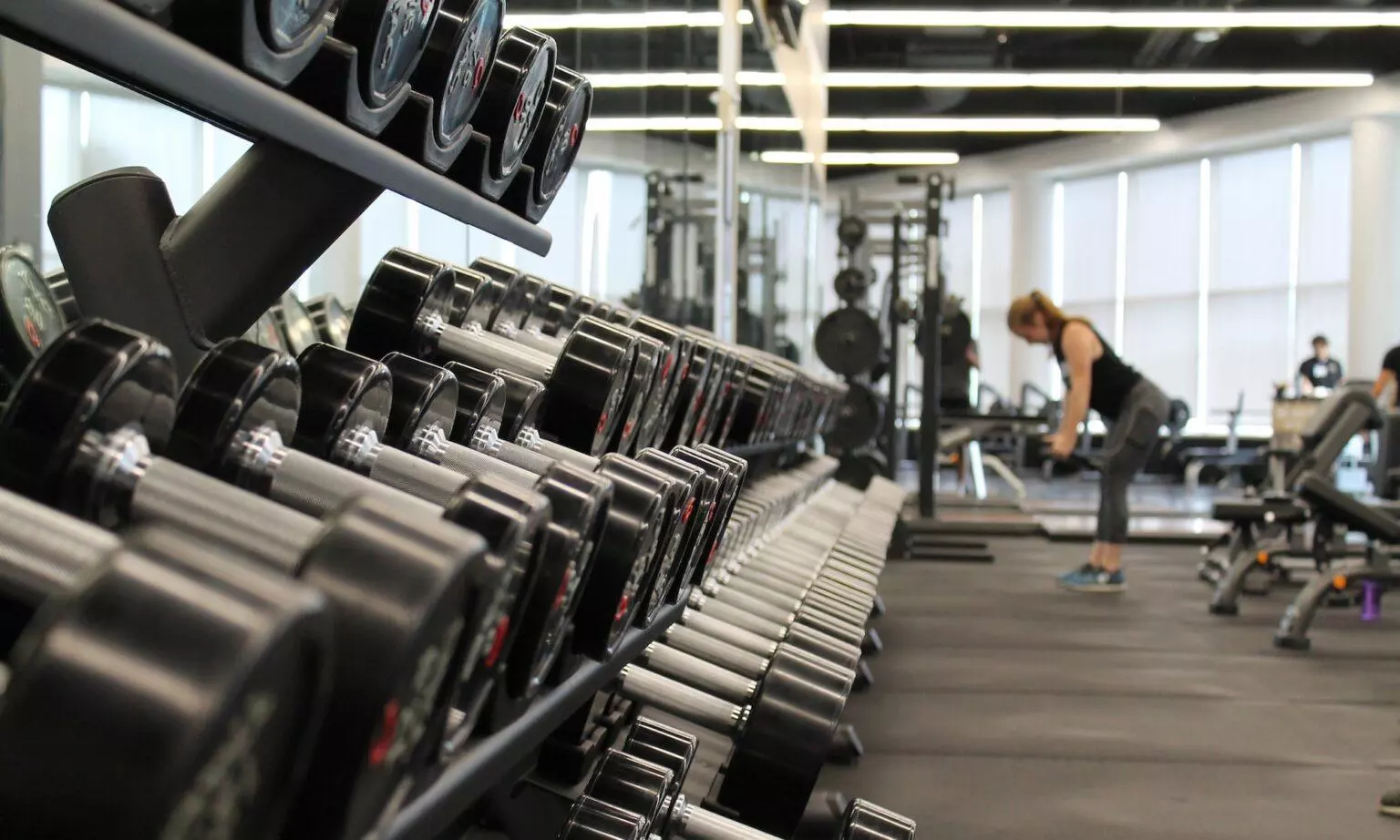


For lowering resting blood pressure, isometric training currently has the strongest average results. A 2023 analysis of 270 randomized trials found reductions of about 8 mmHg systolic and 4 mmHg diastolic, larger than those recorded for aerobic exercise, resistance training, combined training, or HIIT. Wall squats are promising, but the smartest exercise to lower blood pressure still combines sustainable cardio, strength work, and appropriate medical care.
Which exercise lowers blood pressure the most?
The clearest comparison comes from a 2023 British Journal of Sports Medicine network meta-analysis by Edwards and colleagues. It included 270 randomized controlled trials and 15,827 participants, then compared five broad exercise categories by their effects on resting systolic and diastolic blood pressure.
Isometric exercise produced the largest mean change: a reduction of 8.24 mmHg systolic and 4.00 mmHg diastolic. Combined aerobic and dynamic resistance training placed second for systolic pressure, while dynamic resistance training produced the second-largest average diastolic reduction.
| Training type | Mean systolic reduction | Mean diastolic reduction |
|---|---|---|
| Isometric exercise | −8.24 mmHg | −4.00 mmHg |
| Combined aerobic and dynamic resistance | −6.04 mmHg | −2.54 mmHg |
| Dynamic resistance | −4.55 mmHg | −3.04 mmHg |
| Aerobic exercise | −4.49 mmHg | −2.53 mmHg |
| High-intensity interval training | −4.08 mmHg | −2.50 mmHg |
The network rankings told the same broad story. Isometric training had a 98.3% SUCRA ranking for systolic reduction, followed by combined training at 75.7%, dynamic resistance at 46.1%, aerobic exercise at 40.5%, and HIIT at 39.4%. SUCRA ranks how likely each option is to be among the best; it doesn’t mean isometrics work for 98.3% of people.
Among individual exercise modes, wall squats ranked highest for lowering systolic pressure, while running ranked highest for diastolic pressure. Those rankings are useful, but they aren’t a guarantee that wall squats will outperform every other activity for you.
Why the isometric result needs context
A network meta-analysis combines direct and indirect comparisons across many studies. That creates a broader evidence base than one small trial, but protocols, participant health, baseline blood pressure, and study duration can differ. The category averages therefore describe groups, not a personalized forecast.
Isometric exercise means producing muscular force while holding a largely fixed joint position. Wall squats and handgrip contractions are common research examples. They differ from dynamic resistance exercises such as squats, rows, and presses, where joints move through a range of motion.
The result also doesn’t make cardio obsolete. Aerobic training still reduced systolic pressure by an average of 4.49 mmHg in the 2023 analysis, and the August 2026 VA/DoD hypertension guideline states that aerobic and resistance exercise, performed alone or together, reduce blood pressure. The guideline recommends including resistance work alongside aerobic activity for blood-pressure control.
Honestly, that combined approach is more useful for most people than chasing a single winning modality. Isometrics can be a compact addition, while aerobic and resistance training address broader fitness goals. Our comparison of cardio and strength training priorities explains why the choice rarely needs to be exclusive.
A research-based wall-squat protocol
A 2017 home-based trial provides a concrete starting point often quoted in discussions of exercise to lower blood pressure. Participants completed four two-minute wall-squat holds, rested for two minutes between holds, and trained three times weekly for four weeks. Sessions were separated by at least 48 hours.
- Warm up with several minutes of easy movement, then set a wall-squat depth you can control without straining or holding your breath.
- Hold the position for up to 2 minutes, stopping earlier if you feel faint, develop chest discomfort, or lose stable positioning.
- Rest for 2 minutes and repeat until you have completed up to 4 holds.
- Schedule the session up to 3 times per week, leaving at least 48 hours between sessions.
This is a research example, not a universal prescription. The 2017 study included only 28 healthy men with normal blood pressure, and investigators individualized knee angle to target 95% of each participant’s peak heart rate. You can’t reproduce that setup accurately by choosing an arbitrary squat depth at home.
A larger 2026 randomized trial adds stronger short-term support. Among 100 adults with normal-to-high-normal systolic pressure, four weeks of lower-body isometric training performed three times weekly reduced systolic and diastolic pressure by 9.45 and 5.47 mmHg versus control. During the maintenance phase at week eight, one or two weekly sessions maintained systolic reductions, while three sessions produced the largest maintained effect.
That trial is encouraging, yet it still lasted only eight weeks and studied people whose pressure was normal to high-normal. It doesn’t establish the ideal long-term dose for everyone with diagnosed hypertension, cardiovascular disease, joint limitations, or multiple medications. At this stage, the evidence supports adding isometrics, not treating a four-week protocol as permanent medical care.
Build a practical week rather than picking one winner
If your goal is exercise to lower blood pressure, consistency and tolerability matter more than winning a modality ranking. A practical week could pair three wall-squat sessions with two or three aerobic sessions and two full-body resistance sessions. Some sessions can overlap, provided the total workload fits your recovery and current conditioning.
For example, perform the wall-squat protocol on Monday, Wednesday, and Friday. Add comfortable aerobic work on Tuesday and Saturday, then complete dynamic resistance training on Monday and Thursday. This is a programming example based on the studied isometric frequency and the 2026 recommendation to include aerobic and resistance work; the entire weekly schedule hasn’t itself been tested as one protocol.
Easy aerobic work is a sensible option when hard intervals feel excessive or interfere with lifting. Our guide to Zone 2 cardio and endurance covers pacing, while the comparison of Zone 2 and matched-volume HIIT helps separate training intensity from marketing claims.
HIIT isn’t the clear blood-pressure champion. In the 2023 analysis, its average reduction was 4.08/2.50 mmHg, close to aerobic training’s 4.49/2.53 mmHg and smaller than the isometric estimate. Choose intervals because they suit your fitness goals and tolerance, not because they’re assumed to produce a uniquely large blood-pressure effect.
Safety limits that matter
Exercise raises blood pressure temporarily while you’re working, even when repeated training lowers resting pressure over time. The October 2026 American College of Cardiology scientific statement advises against exercise when resting blood pressure exceeds 200/110 mmHg. It also advises avoiding breath-holding and the Valsalva maneuver during exercise.
That breathing point matters during wall squats and heavy lifting, where people often brace and stop breathing without realizing it. Keep breathing continuously rather than turning an isometric hold into a maximal strain. If you can’t do that, reduce the effort or stop the set.
The same ACC statement says exercise should accompany drug therapy for hypertension, not replace it. The American Heart Association likewise advises people with cardiovascular disease or another pre-existing condition to check with a healthcare professional before increasing activity and not to reduce or stop prescribed blood-pressure medication without medical guidance.
If you’ve been diagnosed with hypertension, have heart disease, experience exertional chest pain or fainting, or take medication that affects heart rate or blood pressure, get individualized advice before adopting a demanding protocol. A wall squat may look simple. Its internal effort can still be high.
Frequently asked questions
How quickly can exercise lower blood pressure?
Trials have detected changes within four weeks, including the 2017 and 2026 isometric studies. Long-term control still requires continued training, and your response can differ with baseline pressure, medication, training status, and adherence.
Are wall squats the best exercise to lower blood pressure?
Wall squats ranked highest for systolic reduction in the 2023 network analysis, but that ranking reflects average trial results. They are a useful addition rather than a proven replacement for aerobic activity, dynamic resistance training, or prescribed treatment.
Does walking count as exercise for blood-pressure control?
Walking is aerobic exercise, so it fits within a category associated with lower resting pressure in randomized trials. The 2023 analysis reported an average 4.49 mmHg systolic and 2.53 mmHg diastolic reduction across aerobic exercise studies, though it didn’t establish one universal walking dose.
Should I choose cardio or weights for high blood pressure?
You don’t have to choose. The August 2026 VA/DoD guideline says aerobic and resistance exercise both reduce blood pressure and recommends including resistance training alongside aerobic activity.