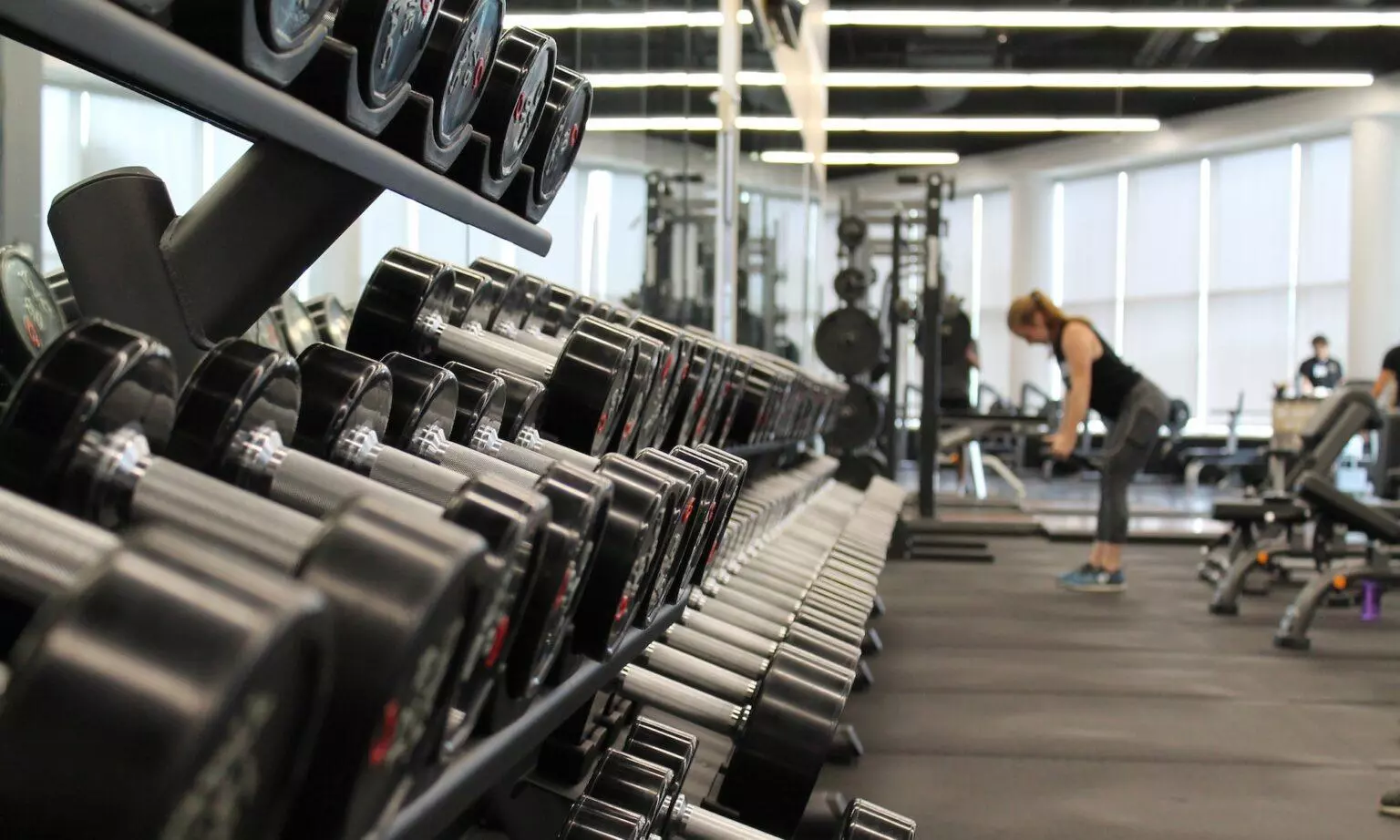
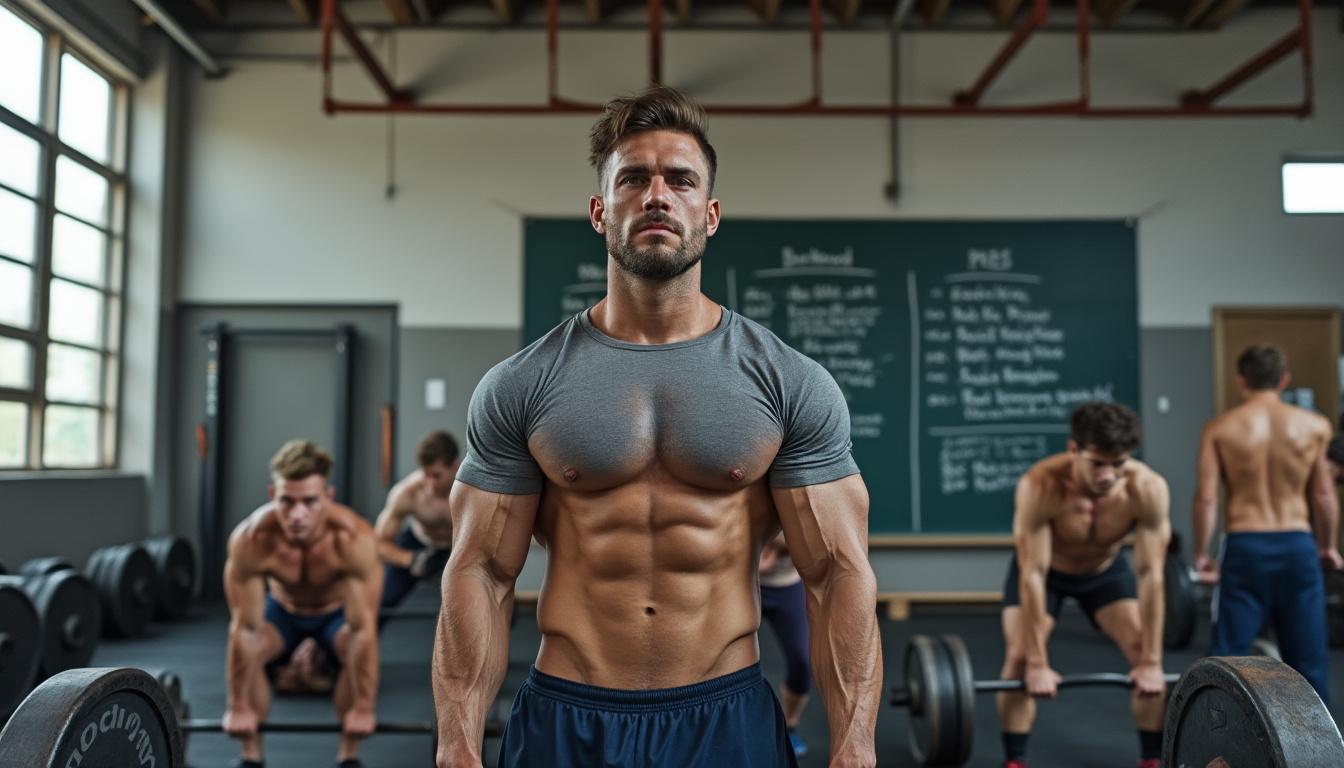
In 2026, a growing fitness movement links strength training with progressive causes. Social platforms host groups that train together and organize together. Influencers and frontline organizers use gym spaces for workshops, mutual aid, and voter drives. The label Swoletariat captures a culture where muscle matters, and politics shapes programming.
Maya, a community coach in Detroit, turned a neighborhood garage into a meeting point. Her classes mix barbell sessions with talks on Social Justice and local policy. Attendance rose after she posted short clips explaining how workouts support Health Equity efforts.
The trend reshapes mainstream Fitness Culture. Gyms evolve into sites of Community Building and Political Activism. Expect more fusion between training plans and civic action across cities in 2026.
The Swoletariat: origins of Leftist Fitness and early signals
Roots reach back to worker gyms and communal sports clubs from past decades. Modern networks borrow that heritage, applying collective training to present struggles. Podcasts and local radio shows helped spread the phrase, while independent gyms added assemblies to class schedules.
Early adopters framed fitness as public resource, not luxury. That framing attracted organizers focused on access, mental health, and shared responsibility. The result created spaces where muscle and messaging reinforced each other.
The origin story shows how culture, history, and organizing methods fused into a visible movement.
Maya’s garage gym: a case study in Exercise Movement and organizing
Maya started with five neighbors and a donated squat rack. She scheduled short training sessions, followed by community updates and resource exchanges. Members shared rides, groceries, and childcare, strengthening local resilience.
When a tenant rights campaign began, the group turned training time into phone banking hours. Attendance rose, and local turnout increased during hearings. The example proves how physical training supports civic goals.
Maya’s story shows practical steps from routine to collective power.
How Leftist Fitness reshapes Fitness Culture and fuels Political Activism
Programs adopt sliding scale fees and free classes for neighbors. Trainers incorporate public health talks, offering guidance on nutrition, mental health, and chronic disease prevention. Partnerships with clinics helped bring screenings to gyms.
Content creators frame workouts around solidarity themes. Videos highlight mutual aid drives and show members doing direct action after training. Algorithms rewarded such authentic stories, increasing reach across platforms through 2025 and into 2026.
- Accessible programming, free or low-cost classes in underserved areas
- Mutual aid, members share resources and skills
- Civic integration, classes used for voter registration and community planning
- Health advocacy, trainers partner with clinics to reduce barriers
- Body-positive strength work, inclusive routines for diverse bodies
These shifts illustrate how training routines evolved into tools for organizing and wellbeing.
Body Positivity, Social Justice, and Health Equity in practice
Groups reject narrow ideals. Coaches design programs for varied mobility and goals. Language emphasizes strength over aesthetics, affirming dignity and belonging during sessions.
In several cities, gyms hosted clinics offering free screenings and referrals. Organizers tracked attendance and outcomes, showing measurable gains in screening rates and follow-up care. Those metrics supported grant funding for further outreach.
Combining inclusive training with targeted outreach produced tangible health outcomes and deeper trust.
Community Building through Exercise Movement and Progressive Ideology
Organizers used clear routines to lower barriers to participation. Structured classes reduced anxiety for newcomers. Shared rituals, like group warmups and post-workout check-ins, strengthened ties.
Clubs hosted teach-ins on labor rights, housing, and environmental justice. Trainers partnered with local unions and nonprofits to create sustained programming. Those collaborations scaled through networks and peer referrals.
Key insight, programs that pair movement with learning build durable communities and sustained civic engagement.
What organizers measure: outcomes, funding, and growth
Groups track attendance, referral rates to health services, and turnout at civic events. Data helped secure local grants and donor support. Some programs formed cooperatives, sharing revenue and governance among members.
Evidence showed increased trust in services and higher participation in local meetings. Funders responded to clear metrics, expanding support in cities where organizers demonstrated impact.
Measuring outcomes turned small projects into replicable models for other communities.
Our opinion
Swoletariat blends fitness with civic purpose. Programs promote Body Positivity, advance Health Equity, and build networks for Social Justice. Trainers and organizers transform routine workouts into organizing tools, showing how exercise becomes public service.
For leaders and coaches, focus on access, measurable outcomes, and deep community ties. Support local partnerships and document results to attract resources. Those steps sustain growth and amplify impact.
Final insight, when movement and message align, training sessions turn into platforms for durable change.