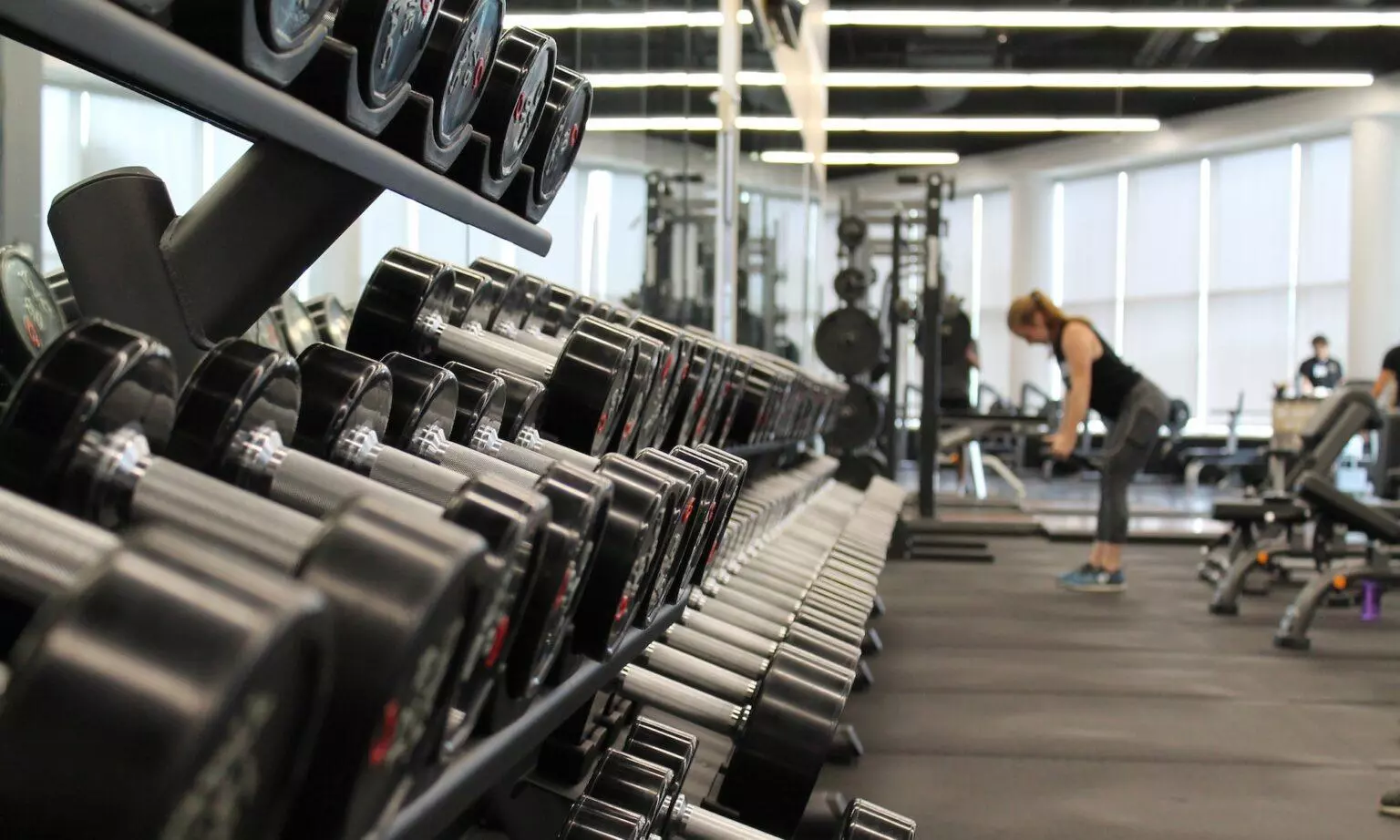

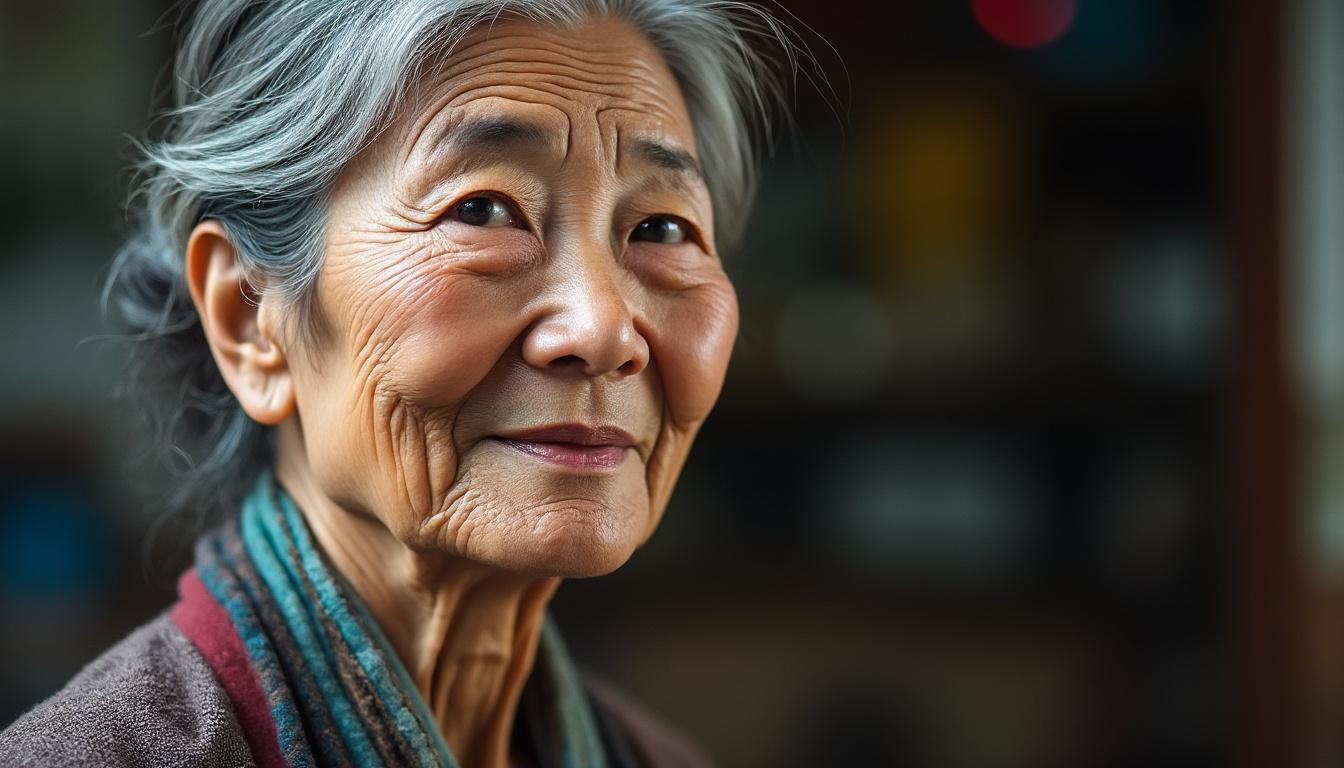
Japan faces a demographic shift few markets can ignore. The Fitness Industry now pivots toward Wellness for older adults. Gyms redesign spaces. Trainers rewrite programs. Health providers join forces with community centers. Seniors emerge as the core growth group, driven by an Aging Population seeking mobility, strength, and social ties. Programs fuse low-impact Exercise, balance work, and cognitive drills. New class formats promote an Active Lifestyle while protecting joints and promoting Well-being. Tokyo pilot projects show higher retention when instructors tailor routines to functional goals. Rural clubs report drop in fall rates after implementing supervised strength plans. These shifts affect equipment makers, insurer policies, and city planning. For fitness brands, senior-first design offers a clear market edge. For seniors, group sessions offer health benefits and renewed purpose. For employers, healthier retirees reduce long-term care costs. Below, a quick view of emerging priorities in the field.
- Mobility and balance over maximal lifting
- Social connection through group classes
- Functional strength for daily tasks
- Preventive health linked to regular exercise
Japan Fitness Industry: senior-focused programs reshape local clubs
Inside urban clubs, staff redesign schedules to reach older members. Trainers adapt pace, repetition, and rest intervals to protect joints while improving strength. Community networks provide transport and check-ins, increasing attendance among isolated seniors.
- Specialized classes for balance, posture, and gait
- Trainer certification in geriatric exercise principles
- Accessible equipment with softer grips and step adjustments
Meet Mr. Saito, a 68-year-old former engineer who started a weekly chair-strength class after hip surgery. His progress tracked over six months showed improved walking speed and fewer clinic visits. Local policymakers noticed lower emergency calls in neighborhoods with similar programs. These outcomes highlight a clear link between senior fitness access and public health gains.
Key insight. Senior-first programming increases adherence and reduces healthcare strain.
Senior Fitness and community ties in Japan
Community clubs act as social hubs for older adults. Group exercise reduces loneliness while reinforcing healthy routines. Programs pair physical tasks with light cognitive challenges to boost dual benefits.
- Weekly group walks plus supervised stretching
- Cognitive-motor drills to preserve memory and coordination
- Peer leaders who mentor new members
Example. A municipal program in Osaka trained seniors as class leaders. Attendance rose 40 percent. Local clinics reported fewer falls among participants. Those results illustrate how social design amplifies exercise benefits.
Key insight. Social structure multiplies physical gains and keeps seniors active.
How Wellness trends meet the Aging Population needs
Health providers and insurers now link preventive care to routine movement. Fitness classes integrate blood pressure checks, gait assessments, and nutrition briefings. That approach reduces long-term costs while improving daily function.
- Preventive screenings during fitness sessions
- Nutrition advice tailored to muscle maintenance
- Data tracking for progressive goal setting
Case study. A private clinic in Kyoto partnered with local gyms to offer monthly strength assessments. Participants improved muscle mass and reported higher energy scores on standardized surveys. The partnership created clear metrics for payers interested in reduced hospital admissions.
Key insight. Integrating health checks into fitness delivers measurable returns for seniors and systems.
Technology, tradition, and senior well-being
New tools blend modern sensors with traditional practices such as gentle martial arts and stretching. Smart mirrors offer real-time form correction while local instructors teach breathing and posture work rooted in cultural habits. These hybrids respect cultural preferences and improve uptake among older adults.
- Smart mirrors for safe form feedback
- Low-impact martial arts adapted for mobility
- Wearables that track recovery and sleep quality
Example. A community center near Nagoya incorporated tai chi sequences with wearable monitoring. Members reported better balance and deeper sleep. The program mixed cultural familiarity with objective data to maintain motivation.
Key insight. Tech paired with tradition improves adoption across generations.
Our opinion: Japan Fitness Industry must prioritize senior wellness
Japan faces an urgent need to keep older adults healthy and active. The Fitness Industry holds a practical role in that effort. Businesses that design accessible spaces, train staff in geriatric needs, and partner with health systems will lead the market. For seniors, regular Exercise protects independence and promotes social engagement. For policymakers, investment in senior fitness reduces long-term care expenses.
- Design gyms with universal access and clear signage
- Train staff in senior safety and motivation
- Measure outcomes and report health improvements
Please reflect on local options. Share program ideas with community leaders. Support seniors who wish to join classes. Together, a healthier future for the Aging Population becomes achievable.