
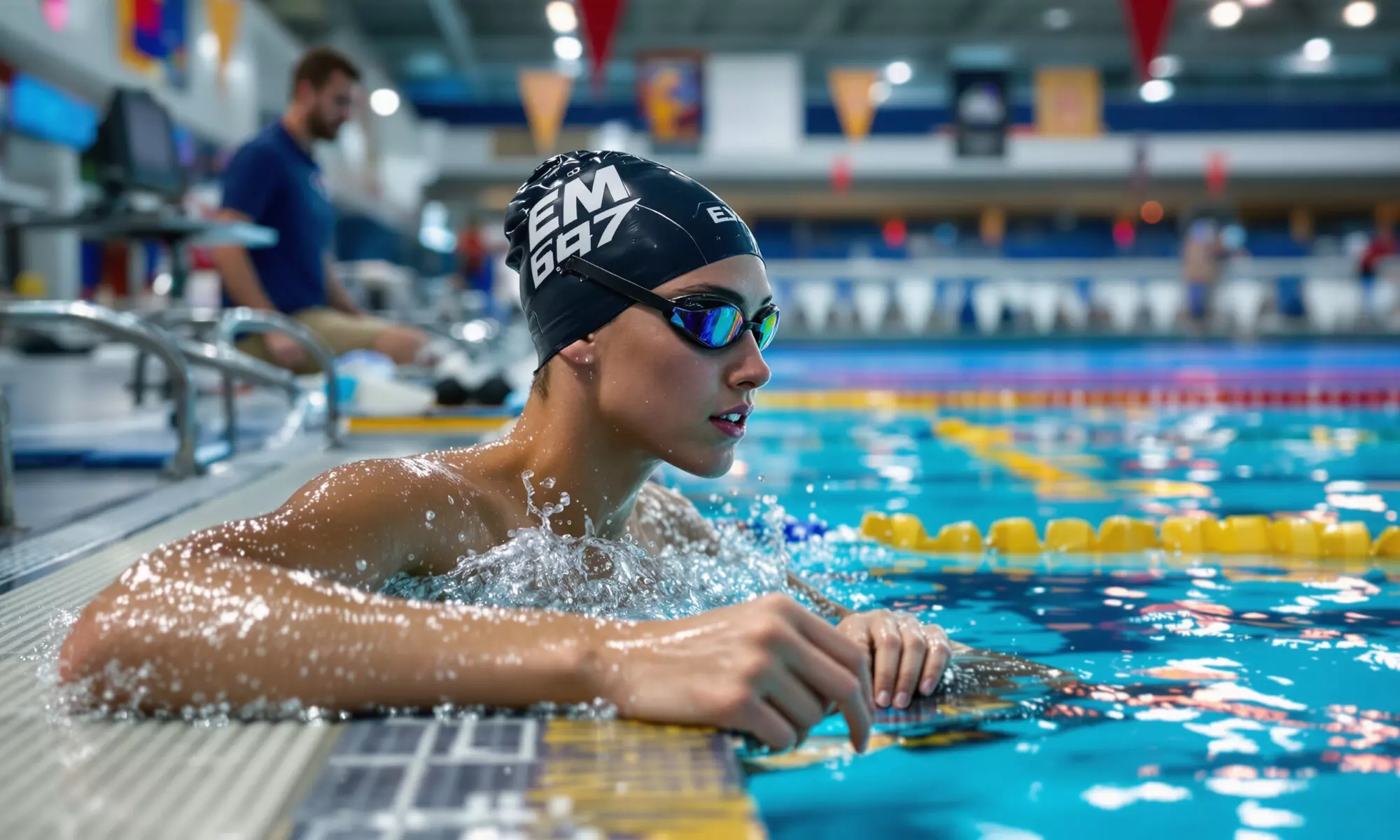
Summer McIntosh training in 2026 looks less like a single secret workout and more like a tightly staged system: race exposures, multiple training blocks, at least one 24-day altitude camp in Colorado Springs, and another reported Olympic Training Centre block before Pan Pacs in mid-August. What you can say with confidence is that her setup emphasizes aerobic capacity, technical sharpness, and timing. What you cannot say honestly is that her exact weekly meterage or dryland plan is public.
Summer McIntosh training in 2026: what we actually know
Start with the dated facts, not the mythology. McIntosh was named Swimming World’s World and Americas Female Swimmer of the Year on January 3, 2026, which matters less as an award than as context: she entered 2026 already operating at the very top of the sport.
From there, the public trail is clear but incomplete. She attended a 24-day altitude training camp in Colorado Springs with Bob Bowman’s pro group in December 2025, raced the TYR Pro Swim Series in Westmont from March 4-7, 2026, and said on May 6, 2026 that she still had multiple training blocks before Pan Pacific Championships in mid-August.
| Date | Source | Confirmed fact | Likely training meaning |
|---|---|---|---|
| Dec 2025 | SwimSwam reporting | 24-day altitude camp in Colorado Springs with Bob Bowman’s pro group | Block focused on aerobic load, adaptation, and controlled isolation from race noise |
| Jan 3, 2026 | Swimming World | Named World/Americas Female Swimmer of the Year | Entered 2026 with high competitive density and elite performance expectations |
| Mar 4-7, 2026 | USA Swimming Westmont results | Competed at TYR Pro Swim Series Westmont | Used domestic racing as feedback during a longer build, not just as a final target |
| May 6, 2026 | SwimSwam citing World Aquatics interview | “It’s a long summer” and more training blocks before Pan Pacs | Periodized season with work still to come rather than early peaking |
| May 8, 2026 | Nuoto.com summary | Reported return to Olympic Training Centre for intensive prep | Another concentrated block aimed at sharpening before mid-August competition |
| 2026 profile | Swimming Canada | Official athlete profile and team affiliation maintained in 2026 | Confirms elite-program continuity rather than one-off camp storytelling |
What her schedule suggests about the work
Even without public weekly volumes, the pattern tells you plenty. This is classic elite endurance-skill planning: long runway, staged camps, tune-up meets, and no rush to peak in spring when the major target sits in August.
That aligns with what high-level swim programs usually need. Swimming performance is a blend of aerobic engine, event-specific speed, technical efficiency, and recovery tolerance. You don’t build that with random hard sessions. You stack blocks, test the result in competition, adjust, and keep going.
The altitude camp matters, but probably less than social media thinks. Reviews of altitude training in endurance sports through the late 2010s and early 2020s generally show mixed-to-modest benefits, with strong individual response differences and better logic for athletes who already have serious training structure. Honestly, altitude is interesting here because it sits inside a system, not because thin air is magical.
The reported return to an Olympic Training Centre block before Pan Pacs points the same way. Intensive camp periods are useful when you have coaching continuity, recovery support, and enough technical stability that heavy work doesn’t turn your stroke into a mess. That’s a very different reality from a recreational master’s swimmer cramming doubles into a work week.
If you want a cross-sport comparison, the pattern looks a lot like other elite endurance setups we have covered, where repeated build phases matter more than any single sexy session. You can see that same long-horizon logic in how top cyclists organize endurance-heavy training blocks and in the way sustained aerobic work underpins world-class swimming.
Technique, racing, and why this probably isn’t just about volume
Public reporting around McIntosh in 2026 includes one single-source feature from SwimmersDaily discussing freestyle mechanics and a specific technical breakdown. Treat that carefully. It may be useful as observational analysis, but it is not the same thing as a coach-released technical model or verified session data.
Still, the broader point is sound. Elite swimming isn’t won by volume alone. It’s won by holding shape under fatigue, hitting race pace without waste, and keeping technical errors small when lactate rises and split discipline starts to break.
Her 2026 racing schedule supports that interpretation. Westmont in March, plus additional domestic meet activity reported from March through June, suggests racing as calibration. That’s common in serious programs: you race to expose timing problems, turns, pacing decisions, and stroke decay that pool sets can hide.
Track athletes and swimmers often share that precision mindset. If you want a non-pool parallel, Sydney McLaughlin-Levrone’s training model shows the same respect for repeatable mechanics under pressure. Different sport, same idea.
What you can copy, and what you absolutely shouldn’t
Here’s the part most articles skip. Summer McIntosh is a teenage phenom in a world-class environment, training around major international targets with Bob Bowman’s group and high-performance support. Copying her setup directly would be silly for almost everyone.
What transfers are the principles:
- Use training blocks of 3-6 weeks with one main goal, such as aerobic capacity, threshold pace, or race-specific speed.
- Keep technique work in the plan year-round, especially early in sessions when fatigue is low.
- Race or test often enough to get feedback, but not so often that every week becomes a taper.
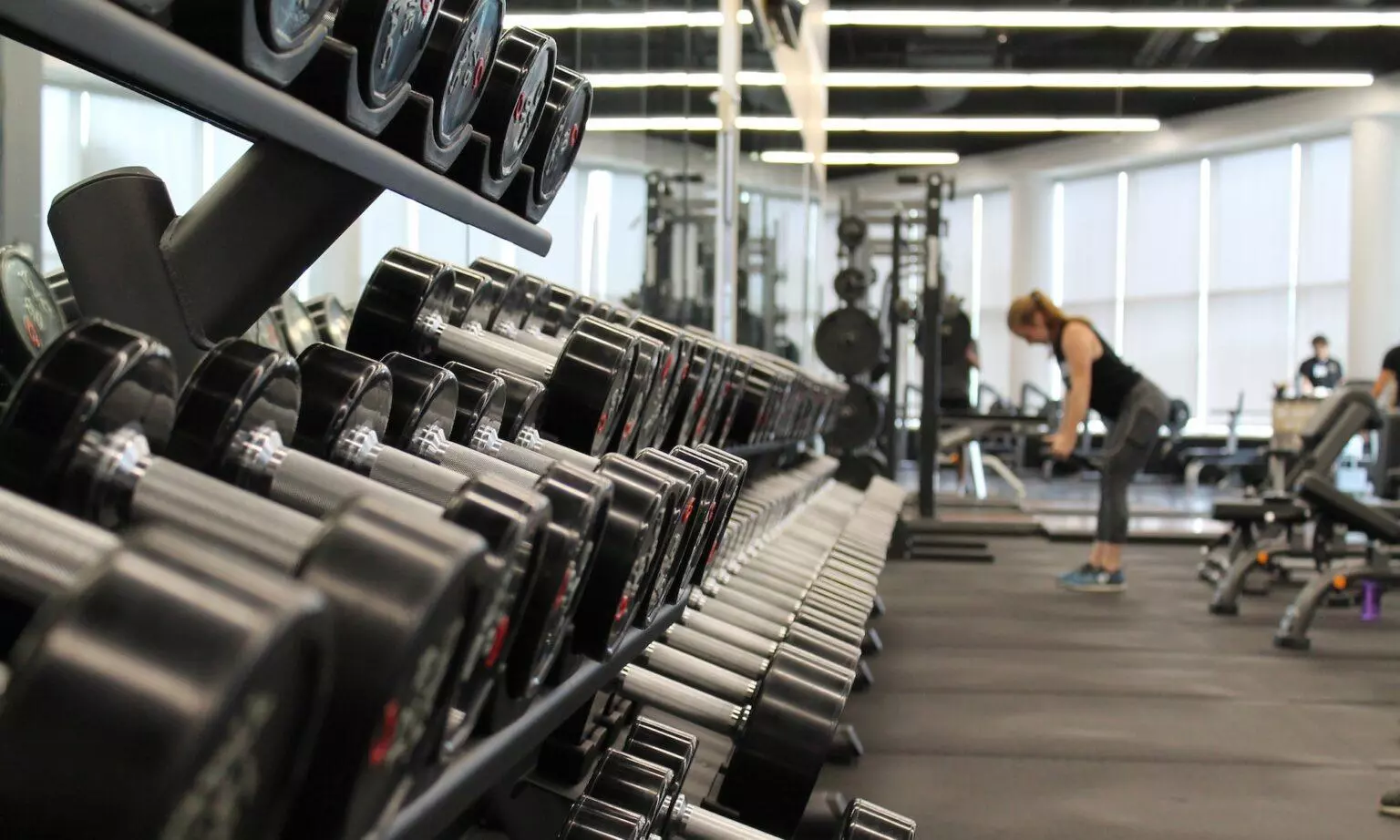
- Match dryland to swimming demands: trunk stiffness, shoulder control, pulling strength, and hip extension, not random exhaustion circuits.
- Protect recovery when volume rises. Sleep and food still matter more than gadgets, a point that fits with what recovery wearables do and do not tell you.
What I’d do in practice for a competitive age-group or master’s swimmer with a normal life is much simpler: 3-5 swim sessions per week, 2 dryland strength sessions, 1 clearly aerobic-focused block, and 1 race-pace block before key meets. For example, a four-week build might include 2 aerobic swims, 1 threshold-oriented swim, 1 speed-and-turn session, and 2 gym sessions built around pull-ups or lat pulldowns, split squats, Romanian deadlifts, presses, and anti-rotation work. That’s not McIntosh’s plan. It’s the sane, transferable version.
Fueling matters too. Camp-style or double-session training usually falls apart when athletes under-eat, especially younger athletes. If early sessions are your weak point, a practical pre-morning-workout nutrition approach is far more useful than chasing exotic recovery products.
The myth to drop: elite volume is the answer
A lot of people searching summer mcintosh training really want a hidden number. How many meters per week? How many doubles? How much gym work? The problem is that exact public figures are scarce, and even if you had them, they’d be easy to misuse.
Research on high-performance endurance athletes is clear on one uncomfortable point: the same workload can build one athlete and bury another. Training status, age, event range, technical economy, injury history, sleep, menstrual health, and energy intake all change the dose you can absorb. In adolescent and young adult athletes, underfueling and chronic fatigue are not minor issues. If a young swimmer is showing menstrual disruption, repeated illness, stress fractures, or a flatlining mood, that deserves a qualified sports medicine or sports nutrition conversation, not more hard meters.
So no, the lesson is not “do what Summer does.” The lesson is that elite progress usually comes from coherent planning, repeated high-quality blocks, and a ruthless respect for timing.
That same pattern shows up beyond swimming. Our breakdown of Leon Marchand’s training and recovery points to a similar truth: the glamorous part is race day, but the performance usually comes from boring consistency and the ability to recover for the next block.
FAQ
Does Summer McIntosh train at altitude?
Yes. A 24-day altitude camp in Colorado Springs with Bob Bowman’s pro group was reported in December 2025. That’s a confirmed piece of her recent preparation, though altitude alone doesn’t explain her results.
Who coaches Summer McIntosh in 2026?
Public 2026 reporting ties her training to Bob Bowman’s pro group, including the Colorado Springs camp. Swimming Canada’s official athlete profile also confirms her elite program status and affiliation context.
How often did Summer McIntosh race in 2026 before Pan Pacs?
She competed at the TYR Pro Swim Series in Westmont on March 4-7, 2026, and reports from March through June 2026 show continued domestic meet appearances. That suggests tune-up racing inside a longer build toward Pan Pacific Championships in mid-August.
Can recreational swimmers learn anything from Summer McIntosh training?
Yes, but mostly in principle: structure your season in blocks, keep technique work year-round, and don’t peak too early. The exact load of an elite teen swimmer in a world-class environment is not a smart template for most adults.