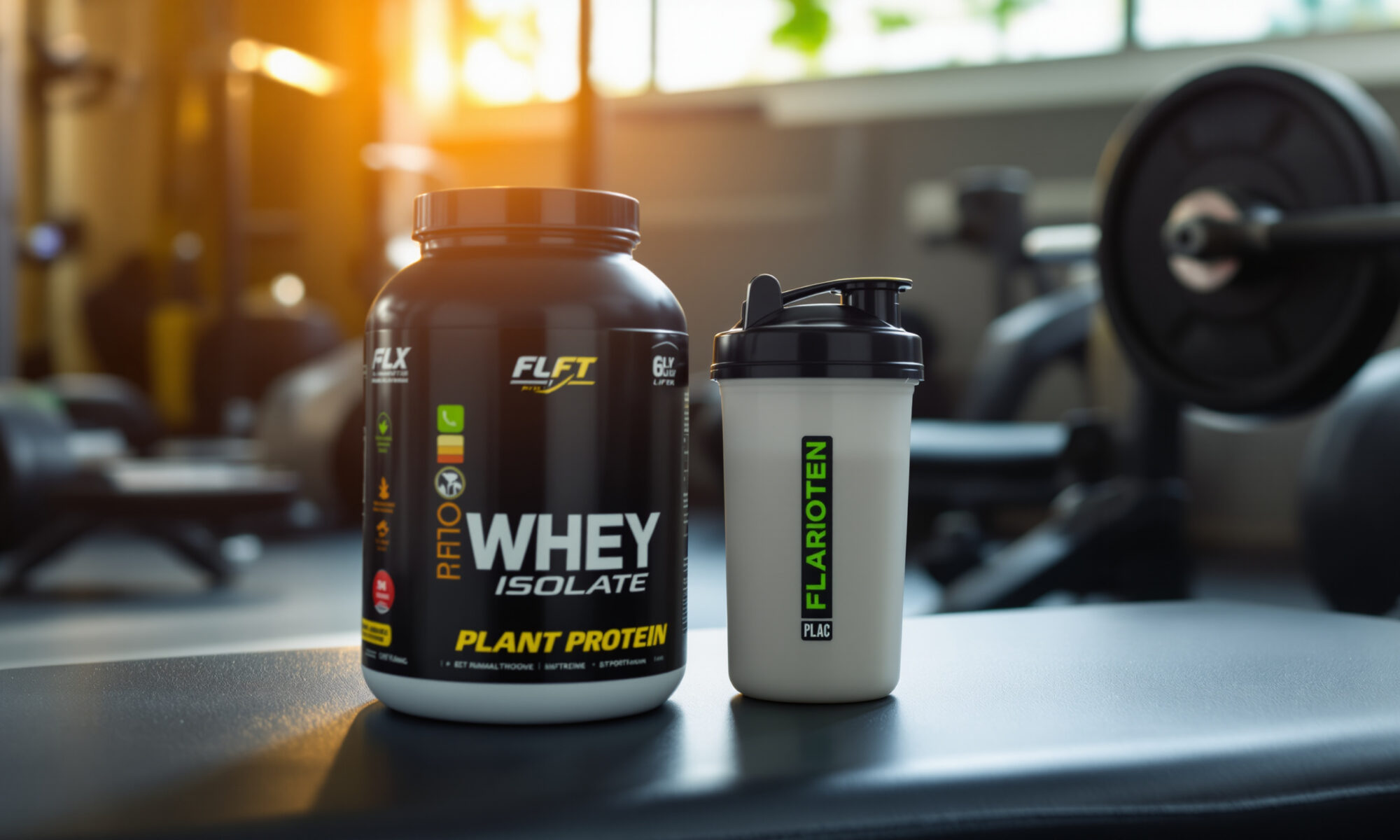
For muscle gain, whey still has the cleaner per-serving advantage. In whey vs plant protein comparisons, whey usually delivers more leucine, higher digestibility, and a stronger short-term muscle protein synthesis response at the same dose. But over weeks and months of lifting, plant protein can produce similar muscle and strength gains if total daily protein is high enough, per-meal doses are larger, and the amino acid profile is better planned.
Whey vs plant protein: what matters most for muscle?
If you want the shortest practical answer, whey is the more efficient protein source for building muscle on a gram-for-gram basis. That conclusion is supported by protein quality work using DIAAS, amino acid composition data, and acute muscle protein synthesis studies through 2026.
That does not mean plant protein is inferior in the way supplement marketing implies. Longer-term randomized trials and meta-analyses from 2019 to 2024 generally report no meaningful difference in lean mass or strength when total protein intake, training, and leucine exposure are matched. So the real question is less about ideology and more about how much work you want each scoop to do.
If you need a refresher on the underlying biology, our guide to how muscle growth actually works covers the training and nutrition basics that matter far more than brand loyalty.
Why whey usually wins the first meal-by-meal comparison
Whey is rich in indispensable amino acids and typically provides about 8 to 10 grams of leucine per 100 grams of protein, based on FDA amino acid data sheets and composition analyses cited from 2016 to 2024. Leucine matters because it is one of the main triggers for the signaling that turns on muscle protein synthesis after a meal.
Digestibility matters too. A 2024 Frontiers in Nutrition review on DIAAS noted that whey isolates commonly score above 1.0, while soy protein isolate is often around 0.90, pea isolate often lands around 0.70 to 0.88, and rice protein can be markedly lower in some reports. DIAAS is not perfect, but it is generally considered a better modern metric than PDCAAS for comparing protein quality.
Then there is the acute response. Mechanistic studies and a 2026 review of whey’s molecular effects on muscle protein synthesis describe a faster and often larger post-meal anabolic response from whey than from many single-source plant proteins when the gram dose is identical. That finding is real. It is also easy to overrate.
Acute signaling is not the same thing as long-term hypertrophy. It matters, but it does not settle the entire debate.
What long-term training studies actually show
Once people resistance train consistently and total protein intake is controlled, the difference narrows a lot. Reviews and meta-analytic summaries from 2019 to 2024 generally find that plant and animal proteins support similar increases in muscle mass and strength when the dose per meal and the total daily intake are high enough.
That caveat is doing a lot of work. Many lifters read “no difference” and assume 25 grams of any protein powder is interchangeable. Usually it is not. In practice, plant protein often needs either a larger serving, a better blend, or leucine or essential amino acid fortification to match what whey does more easily.
A 2026 narrative review made that point clearly: plant-based proteins can be equivalent to animal proteins for muscle when leucine targets and total intake are achieved, with around 3 grams of leucine per meal being especially relevant in older adults. Honestly, this only matters if you are already training hard and sleeping enough. If your program is random and your sleep is five hours, the powder choice is nowhere near the bottleneck.
Numbers that make the comparison clearer
| Protein source | Typical leucine content | Representative DIAAS range | Protein needed to provide about 2.5 g leucine |
|---|---|---|---|
| Whey isolate | 8-10 g per 100 g protein | >1.0 in many reports, often around 1.09 | 25-31 g protein |
| Soy isolate | Lower than whey; commonly near animal proteins overall | About 0.90 in many reports | Usually more than 31 g protein |
| Pea isolate | Lower than whey in most analyses | About 0.70-0.88 | Usually more than 31 g protein |
| Rice protein isolate or concentrate | Lower than whey in most analyses | About 0.37-0.58 in some reports | Usually more than 31 g protein |
The last column is the one most lifters miss. A 25-gram scoop of whey is often enough to get close to the leucine range associated with a strong anabolic response in younger adults, while many single-source plant proteins need a meaningfully larger serving to get there. If you are 65, dieting aggressively, or training twice a day, that gap probably matters more.
There is one caution here. Exact leucine content depends on the ingredient and whether the label reports protein accurately, which is one reason it helps to know how to read a protein powder label without getting misled.
How to make plant protein work better
If you prefer plant protein for ethical, digestive, or dietary reasons, you do not need to accept worse results. You do need to program your intake a little more carefully.
- Use a slightly larger serving than you would with whey. For many lifters, 30 to 40 grams of a plant blend is a smarter default than 20 to 25 grams of a single-source plant powder.
- Choose blended proteins such as pea plus rice, which can improve the amino acid profile compared with either alone.
- Consider products fortified with leucine or essential amino acids if the label is transparent and the total formula makes sense.
- Spread protein over 3 to 5 meals so one weak meal does not have to carry the whole day.
Research through 2026 supports all three levers: more total protein per meal, complementary plant blends, and leucine or EAA fortification. If your goal is hypertrophy and you use plant powder, my practical move would be simple: stop thinking in scoops and start thinking in actual grams of protein and likely leucine exposure.
That approach lines up well with our breakdown of how much protein per meal best supports muscle growth and our guide on whether spacing protein across the day matters.
A realistic setup for lifters with normal schedules
Here is what I would do in practice for a 180-pound lifter aiming to gain or maintain muscle while training 4 days per week. Total daily protein would usually land around 130 to 180 grams, which fits the broad evidence-based range often used in resistance-trained people. The exact target depends on calories, age, and how hard you are cutting or pushing volume.
With whey, three meals plus one shake might look like 35 grams at breakfast, 40 grams post-workout, 35 grams at dinner, and 25 grams before bed. With plant protein, I would keep the meals similar but push the shake to 35 or even 40 grams unless the product is a high-quality blend or clearly leucine-fortified.
That is not because plant protein cannot work. It is because it usually takes a bit more powder to get the same anabolic coverage. The myth that plant protein is automatically “bad for gains” is wrong. The opposite myth, that all proteins are equivalent at equal label doses, is also wrong.
Whole-food context matters as well. If your powder is attached to a high-protein meal, the gap can shrink. If the shake is a stand-alone feeding right after training, whey’s efficiency is more noticeable. For food-first lifters, our pieces on better post-workout meals for strength days and the best recovery foods when you train several days a week are more useful than obsessing over shaker-cup tribalism.
Who should choose whey, and who should choose plant?
Pick whey if you want the most muscle-building efficiency per serving, you tolerate dairy well, and convenience matters. It is especially useful when appetite is low, when calories are tight, or when you need a smaller dose to do more work.
Pick plant if dairy bothers you, you avoid animal products, or you simply prefer it and are willing to adjust the dose. Soy is usually the strongest single-source plant option on paper. Pea can work well, especially in blends. Rice on its own is generally the weakest choice for protein quality, so I would rarely treat it as the first option for hypertrophy unless it is part of a better-formulated blend.
If you have kidney disease, significant GI issues, food allergies, or you are pairing supplements with medication, it is worth checking with a qualified clinician or sports dietitian before making high-protein changes.
FAQ
Is plant protein as good as whey for muscle growth?
It can be, but usually not at the same gram dose. Long-term studies generally show similar gains when total daily protein, per-meal dose, and leucine intake are matched.
Does whey build muscle faster than plant protein?
Acute studies suggest whey produces a faster and often larger muscle protein synthesis response after a serving. Over months of training, that edge can disappear if plant protein is dosed high enough and the amino acid profile is improved.
What is the best plant protein for building muscle?
Soy isolate usually looks strongest among single-source plant proteins, while pea plus rice blends are a practical second option. I would be cautious with rice protein alone if muscle gain is your main goal.
How much plant protein should you take after a workout?
For many lifters, 30 to 40 grams of a quality plant blend is a better starting point than 20 to 25 grams of a single-source plant powder. The right amount depends on your body size, total daily intake, and what else is in the meal.
Is leucine the main reason whey beats plant protein?
It is a major reason, along with digestibility and indispensable amino acid profile. But it is not the only factor, and it does not make plant protein ineffective when the broader diet is well designed.