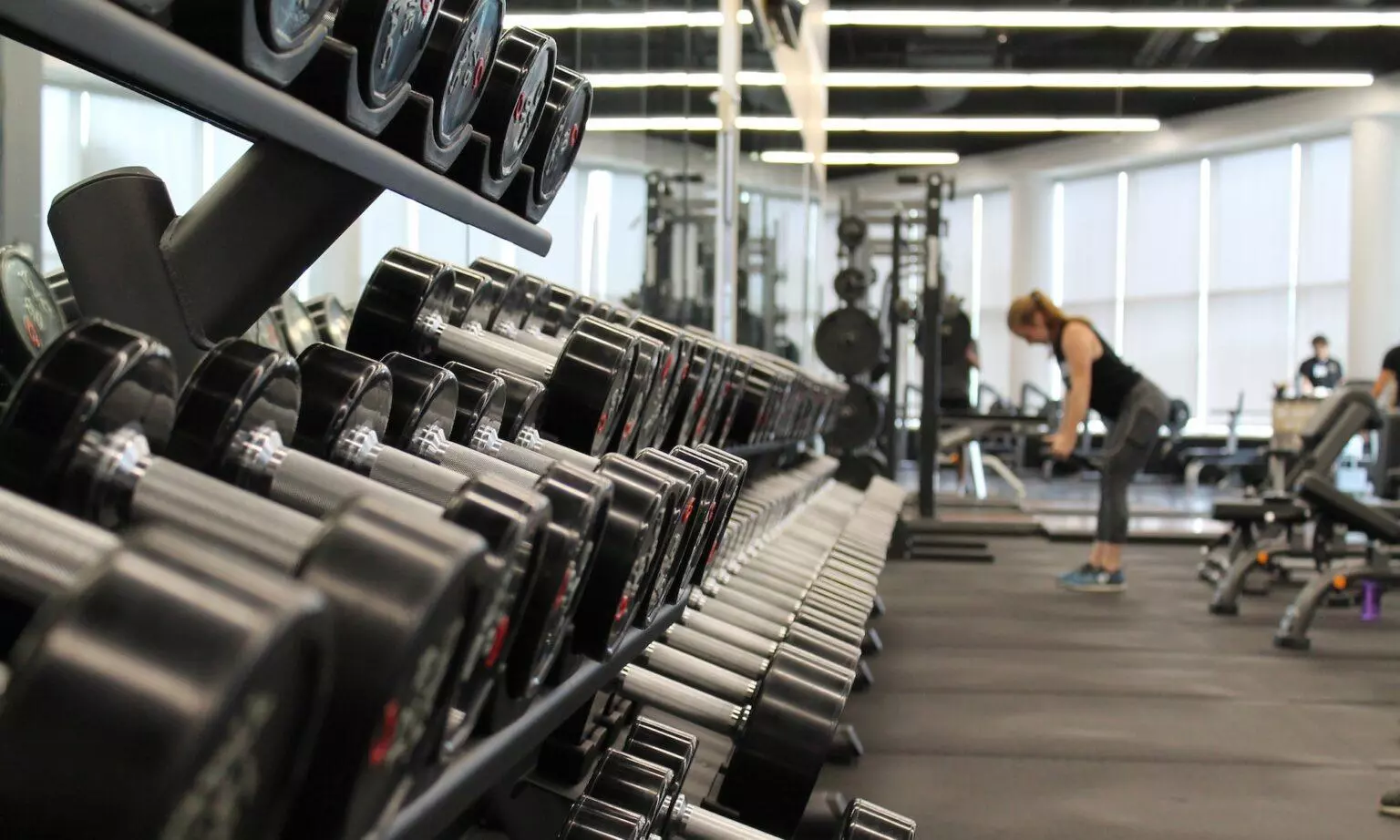

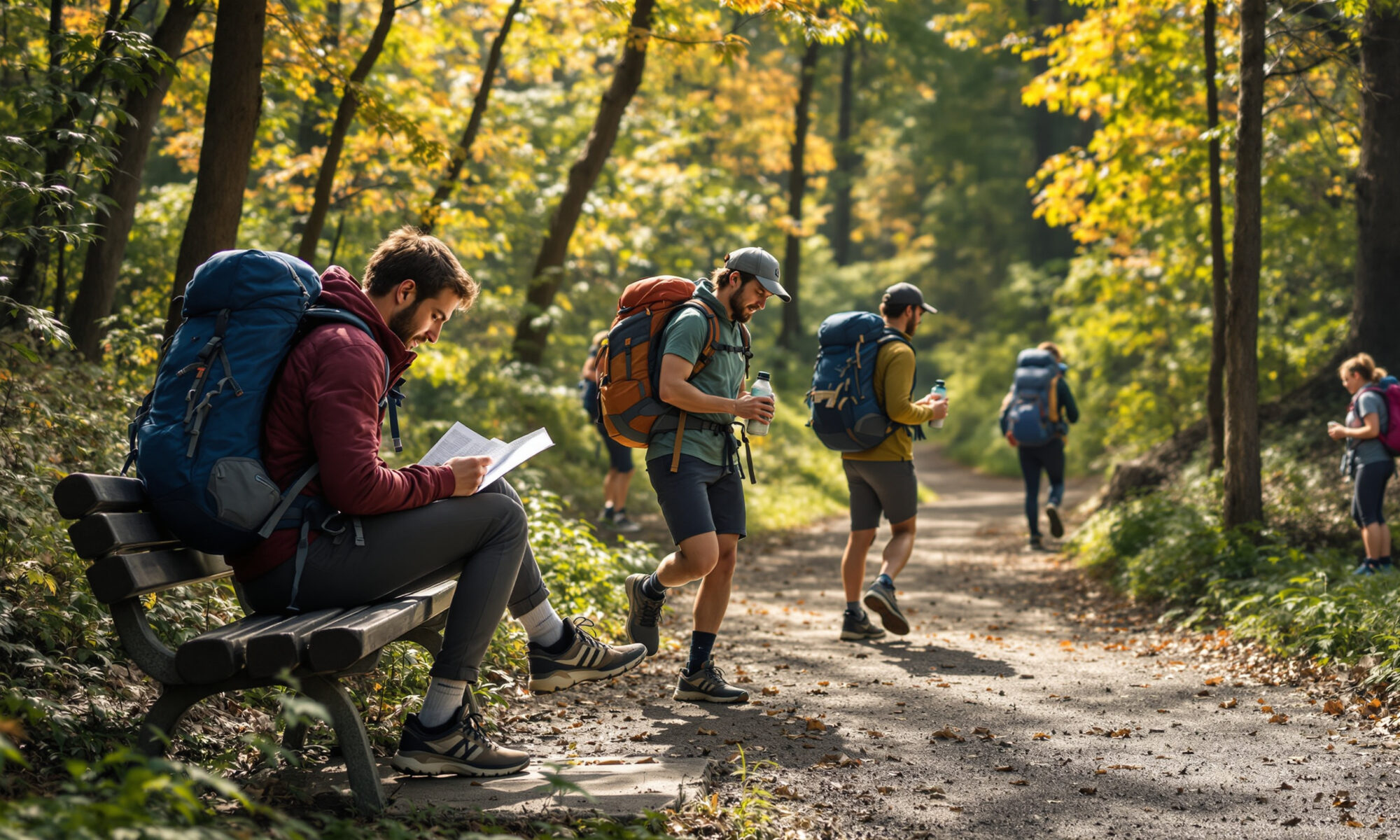
Adventure fitness training means preparing for the real demands of travel and outdoor activity: long walking days, uneven ground, stairs, pack weight, heat, and limited recovery. For most people, that means three things first: build aerobic capacity, get stronger under load, and practice the exact movement patterns your trip will demand. Fancy methods come later. If your body can walk, climb, carry, and recover repeatedly, you’re most of the way there.
What adventure fitness training should cover
Most generic gym plans miss the point. A trek in Peru, a hut-to-hut week in Spain, or a loaded weekend in the Rockies is rarely limited by your bench press or your best set of five squats. It’s usually limited by your ability to produce moderate effort for hours, stay stable on uneven terrain, tolerate descents, and wake up able to do it again.
Research on load carriage, military marching, trail running, and endurance training points in the same direction: specificity matters, but so does a broad base. Strength training improves economy and tissue tolerance. Aerobic work improves mitochondrial and cardiovascular capacity. Practice with a pack teaches your feet, trunk, and shoulders what the gym can’t fully replicate.
If you need a primer on steady aerobic work, our guide to Zone 2 cardio for endurance is a useful base layer. For trips with lots of walking or running volume, the advice in mobility drills for runners who want fewer injuries also transfers well, especially for ankles, hips, and calves.
Adventure fitness benchmarks that matter
You don’t need elite metrics. You need adequate ones for your destination. Many active travelers overcomplicate this part. If your trip involves six to eight hours of movement, your body cares more about repeatable output than about your one-rep max.
| Trip demand | Typical duration | Useful training benchmark | Pack or load target | Practical note |
|---|---|---|---|---|
| Active city travel | 2-5 hours walking/day | 8,000-15,000 steps for 3-4 days/week | 3-6 kg daypack | Stairs and hard surfaces usually matter more than speed |
| Day hiking | 3-6 hours/session | 90-150 minutes Zone 2, 1 time/week | 5-10 kg pack | Include descents if possible |
| Multi-day trekking | 4-8 hours/day | Back-to-back 2-4 hour efforts every 10-14 days | 8-15 kg pack | Recovery between days is the real test |
| Mountain hut trip | 5-9 hours/day | 600-1,200 m climbing repeated in training | 4-8 kg pack | Climbing legs are not the same as flat-ground fitness |
| Paddle, scramble, mixed outdoor days | 2-6 hours/session | 2 full-body lifts plus 2 cardio sessions/week | Bodyweight plus gear handling | Grip and trunk endurance become limiting |
Those benchmarks aren’t laws. They’re starting points that line up with what coaches typically use in the field. If you already have a stronger engine, great. If you don’t, chasing exotic intervals before you can comfortably walk uphill for two hours is usually backwards.
Build aerobic capacity before adding more load
Aerobic base comes first because it supports everything else. A 2019 review in endurance training literature and multiple 2020-2024 coaching syntheses all converge on the same practical lesson: a lot of low-to-moderate intensity work is still the most reliable way to build durable endurance with manageable fatigue. If you want a broader framework, see our piece on how to build endurance step by step.
Then build strength for force production and resilience. In hikers and tactical populations, load carriage tolerance tends to improve when lower-body strength, trunk stiffness, and single-leg stability improve. Evidence here is mixed in exact protocols because many studies are small, short, or done in military groups, but the direction is consistent enough to act on.
In practice, the approach can stay simple: keep two full-body lifting sessions each week while increasing your aerobic volume. That preserves strength without burying you. Going to failure on every accessory set is a bad trade when your weekly walking volume is climbing, and our article on training to failure and long-term progress explains why fatigue cost matters.
A practical 4-day adventure fitness training plan
This is a realistic template for someone with a job, not a mountain guide living at altitude. It fits trips that involve hiking, loaded walking, active sightseeing, beginner scrambling, or recreational outdoor sport.
- Day 1: Full-body strength. Back squat or trap-bar deadlift 3-5 sets of 3-6 reps, Romanian deadlift 2-3 sets of 6-8, split squat 2-3 sets of 8-10 each side, row or pull-up 3 sets of 6-10, calf raises 2-3 sets of 10-15, loaded carry 4-6 trips of 20-40 meters.
- Day 2: Zone 2 cardio. 45-75 minutes at conversational pace on incline treadmill, bike, jog-walk, or steep hike. The point is sustained output, not heroics.
- Day 3: Full-body strength plus step-ups. Front squat or goblet squat 3-4 sets of 5-8, step-ups 3 sets of 8-12 each leg, overhead press 3 sets of 5-8, lat pulldown or pull-up 3 sets of 6-10, plank or anti-rotation work 2-3 sets, then 10-20 minutes of easy incline walking.
- Day 4: Specific outdoor session. 60-180 minutes walking, hiking, or rucking with the shoes, pack, and fueling strategy you’ll actually use. Start with 5-8 kg and progress gradually toward trip load.
That last day matters most. A lot of people are “fit” in the gym and still get wrecked by hot spots, shoulder pressure from a pack, downhill quad soreness, or sloppy pacing. Specificity fixes that.
If your trip is pack-heavy, our coverage of a fitness trend often compared with rucking is still useful as a reminder that simple loaded walking works when progression is sensible. For basic VO2 concepts, this guide to VO2 max helps you separate useful cardio metrics from gym-floor trivia.
Heat and altitude considerations for outdoor training
Environment changes the whole equation. Heat can raise heart rate, fluid losses, and perceived effort fast, even when the pace looks easy on paper. Altitude can reduce work capacity, sleep quality, and appetite, especially above roughly 2,000-2,500 meters. That means the same training status can feel very different on location.
Heat acclimation research, including 2015-2024 sports science reviews, suggests that around 7-14 days of repeated heat exposure can improve tolerance, though full adaptation depends on the person and the protocol. You do not need reckless dehydration to get there. Safer methods include easy training in warmth, overdressing modestly for selected sessions, or using a sauna after training if you already tolerate it well.
Altitude is less forgiving. Short trips often don’t allow enough time for full adaptation, so pacing and conservative day one decisions matter more than fitness ego. If you have cardiovascular, respiratory, kidney, or blood-pressure issues, or a history of altitude illness, check in with a qualified clinician before the trip.
How to fuel long outdoor days
Adventure travel nutrition is rarely glamorous. It’s mostly about showing up fed, carrying enough carbohydrate, and drinking enough fluid and sodium for the climate and duration. Underfueling is common because people think “it’s just hiking,” then wonder why their pace, mood, and balance fall apart by hour four.
For sessions over 90 minutes, many endurance guidelines from 2016-2024 support taking in roughly 30-60 grams of carbohydrate per hour, with higher intakes closer to 60-90 grams per hour reserved for longer events and practiced guts. Protein still matters for recovery, but carbohydrate availability usually decides how good you feel during the work itself.
Hydration is more individual than many headlines admit, but in warm conditions a rough field range is often 400-800 mL fluid per hour, adjusted to sweat rate, temperature, and body size. At this dose, electrolyte marketing gets silly fast. For many people, basic sports drink, salty foods, or a simple sodium mix covers the need without a drawer full of sachets.
On early starts, some people train better with a small, simple pre-session intake than with a large breakfast. If mornings are a problem, our piece on what to eat before a morning workout when you have no appetite gives practical options that also work before hikes and travel days.
Train for the specific trip you have planned
A beach week with daily surfing lessons is not the same as a self-supported trek. Neither is a walking-heavy city break the same as a ridge scramble. Your preparation should match terrain, altitude, weather, footwear, and how much gear you’re carrying.
For route ideas and active itineraries, see our travel picks: adventure/outdoor travel and fitness retreats in Spain. If you like using data outdoors, our review of fitness trackers for outdoor training in 2025 is worth a look, though no wearable can replace basic judgment on pacing, weather, and recovery.
One common myth is worth correcting: you do not need HIIT to get ready for every outdoor challenge. Intervals can help once you have a base, especially for steep climbs or time-limited schedules, but a lot of adventure readiness is built with submaximal volume and smart progression. The evidence for base-building is simply stronger than the marketing around suffering.
FAQ
How far in advance should I start adventure fitness training?
Eight to twelve weeks is a solid runway for most active travel and trekking goals. If your trip includes altitude, heavy pack carrying, or repeated long days, 12-16 weeks is better.
Is rucking better than regular hiking prep in the gym?
Rucking is better for pack tolerance because it rehearses the exact stress. Gym work still matters for strength, joint capacity, and durability, so the best setup is usually both, with gradual loading.
Can I prepare for a trek using only cardio machines?
You can build a useful aerobic base that way, especially with incline treadmill work. But machines miss foot conditioning, downhill tolerance, balance, and pack comfort, so outdoor practice should be added when possible.
Do I need supplements for outdoor travel performance?
Usually no. Caffeine can help, creatine may support strength and repeated efforts, and carbs during long sessions have the strongest day-of evidence, but supplements are secondary to training, sleep, and fueling basics.
What’s the biggest mistake people make before an active trip?
They train hard but not specifically. Long days on your feet, descents, heat, and pack weight create a type of fatigue that gym fitness alone often doesn’t cover.