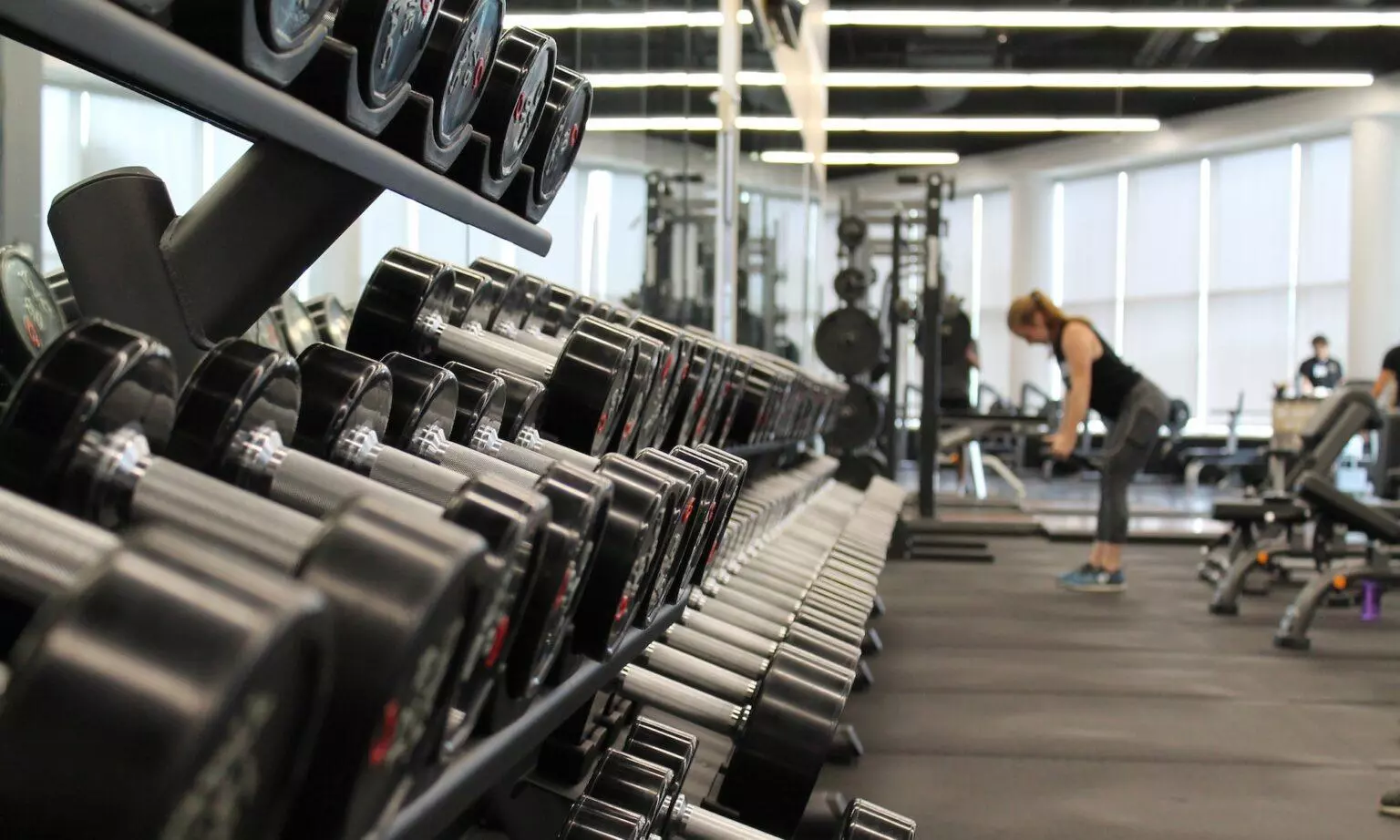


The main cross training benefits for lifters are simple: you can improve explosiveness, joint control, movement options, and work capacity without adding more barbell fatigue. Done in small doses, cross-training usually helps more than it hurts. The catch is exercise selection and dosage. A weekly dunk session, acro class, or Zone 2 ride can sharpen weak links; random hard conditioning piled onto hard squats usually just buries recovery.
Cross training benefits lifters actually notice
Lifters are very good at producing force in constrained patterns. That matters. But sport and movement practice outside the rack can expose what straight-line strength work misses: landing mechanics, reactive stiffness, rotation, deceleration, rhythm, and body awareness under speed.
Research on concurrent training gives the useful caveat. The interference effect is real, especially when high-volume endurance work sits too close to heavy lower-body lifting. Still, a 2012 meta-analysis by Wilson and colleagues, plus later reviews through the early 2020s, suggests the downside is much smaller when endurance volume is modest, impact is managed, and you separate sessions by several hours or days.
In practice, that means one or two well-chosen cross-training exposures per week can raise your athletic ceiling without flattening your squat numbers. Honestly, this only matters if you’re already training hard and sleeping enough. Chaos doesn’t become smart programming just because a sport is fun.
What basketball, acrobatics, and conditioning each add
Basketball-style movement gives you repeated accelerations, stops, lateral shuffles, low-level plyometrics, and a lot of single-leg organization. A 2023 body of plyometric research still points the same way older work did: jump training improves power output, sprint ability, and change-of-direction performance, with the strongest effects usually seen when contacts are kept high quality rather than excessive.
Acrobatics and ring or floor-based bodyweight work contribute something different. You’re building relative strength, trunk stiffness, shoulder control overhead, and the ability to connect segments instead of just moving load from A to B. Elite acrobats and gymnasts are a bad comparison for normal adults, but the transferable lesson is clear: body control under instability can fill gaps a bench-squat-deadlift week never touches.
Then there’s low-intensity conditioning. One or two easy aerobic sessions can improve recovery between sets, between exercises, and between training days. If you need a practical starting point, our guide to Zone 2 cardio for building endurance without burnout lays out how to keep the dose useful instead of turning it into stealth race prep.
| Cross-training option | Typical weekly dose | Main transfer for lifters | Main recovery cost |
|---|---|---|---|
| Basketball-style agility and jumps | 1 session, 20-30 minutes, 40-80 ground contacts | Reactive power, deceleration, single-leg control | Moderate calf, Achilles, and adductor stress for 24-48 hours |
| Bodyweight strength training | 1-2 sessions, 20-40 minutes, 4-8 total work sets | Shoulder stability, trunk control, relative strength | Low to moderate upper-body fatigue for 24 hours |
| Zone 2 cycling or incline walking | 1-2 sessions, 25-45 minutes at easy nasal-breathing pace | Work capacity, recovery, aerobic base | Low systemic fatigue if kept easy |
| Tempo runs or court intervals | 1 session, 10-20 minutes of work | Conditioning and repeat-effort tolerance | Higher interference risk with heavy leg training for 24-72 hours |
Why the interference effect gets overstated
The common myth is that any cardio or sport work kills gains. That’s too crude to be useful. Research on concurrent training generally finds that strength and hypertrophy can coexist with endurance work, but the negative effects rise when the endurance side becomes frequent, hard, and leg-dominant, especially running.
What I’d do in practice is keep high-impact conditioning away from your heaviest squat or deadlift day by at least 24 hours, and use cycling, rowing, or incline walking when your joints are already taking a beating. If you want a fuller blueprint, the site’s hybrid training plan for combining running and strength covers the scheduling logic well.
There’s also a training-age caveat. Novices often improve from almost anything because their baseline is low. Advanced lifters, especially strong and heavy ones, pay a bigger recovery tax from court sport, sprinting, and high-volume jumping than Instagram clips make it seem.
How to add cross-training without wrecking your main lifts
Keep the barbell goal first. Cross-training should support the quality you’re missing, not duplicate fatigue you already have. If your week already contains heavy squats, Olympic lift variations, sleds, and conditioning, adding recreational basketball on top may be fun but it’s not a magic corrective.
- Pick one quality to target for 4-6 weeks: explosiveness, mobility-control, or aerobic recovery.
- Add only 1-2 cross-training sessions per week at first.
- Cap hard jumping contacts at about 40-80 per session unless you already tolerate plyometrics well.
- Place acrobatics or shoulder-intensive work away from heavy benching and overhead pressing.
- Track what matters: bar speed, joint soreness, sleep, and whether your main lifts hold steady.
Here’s a simple example for a lifter training four days per week:
Monday: lower-body strength. Tuesday: 25-35 minutes of easy cycling or incline walking. Thursday: upper-body strength plus 15-20 minutes of handstands, ring supports, hollow holds, and controlled inversions. Saturday: short basketball-style plyometric session with pogo hops, lateral bounds, drop landings, and 4-6 short acceleration efforts.
That setup works because the low-intensity aerobic work supports recovery, while the acro and jump work add coordination and power without turning the week into a conditioning camp. If your ankles and hips are stiff enough to make jumping ugly, spend time with a targeted movement prep first; our piece on mobility drills that reduce lower-body wear and tear has several drills lifters can steal even if they never run.
The overlooked edge cases
Big, strong lifters aren’t built like guards, dancers, or acrobats. A 130 kg powerlifter doing repeated pickup-game decelerations is managing a very different tendon load than a 75 kg field-sport athlete. That doesn’t mean they shouldn’t cross-train. It means the entry dose should be lower, surfaces should be forgiving, and footwear should make sense.
Another edge case is underfueling. Cross-training increases total energy expenditure, sometimes more than expected because the movement is less mechanically efficient than your usual gym work. If you train early, poor fueling can make these sessions feel much worse than they need to; the article on what to eat before a morning workout when you have no appetite is relevant here.
Women with a history of low energy availability, athletes in a weight-cut phase, and anyone with chronic tendon pain should be more conservative with jump-heavy add-ons. A physio or sports dietitian is worth involving if aches or fatigue start stacking up. That’s not drama. It’s just cheaper than pretending your body is a spreadsheet.
Sport and energy resources worth your time
If you want examples outside the usual lifting bubble, three useful starting points are plyometrics/agility for court-style movement ideas, bodyweight strength training for acrobatic and gymnastic progressions, and natural energy nutrition for fueling concepts that support extra activity without supplement hype.
You can also borrow from how elite multi-demand athletes are built. Our breakdown of Victor Wembanyama’s conditioning model is a good reminder that strength, movement quality, and repeat-effort fitness can coexist, but only when the workload is deliberately organized.
FAQ
What are the best cross training benefits for powerlifters?
Usually better joint tolerance, improved work capacity, and some added explosiveness. The best options are low-dose plyometrics, easy aerobic work, and bodyweight stability work rather than high-volume sport that trashes the legs.
Does basketball make you lose strength?
Not by itself. One short session per week usually won’t dent strength if your lifting, sleep, and calories are in order, but frequent hard games can interfere with heavy lower-body progress through fatigue and impact stress.
Is acrobatics useful for bodybuilding or only for athletes?
It can help bodybuilders too, mainly through shoulder control, trunk stiffness, and relative strength. It’s not a substitute for progressive overload, but it can make your pressing and pulling patterns cleaner.
How much cardio can a lifter do without hurting gains?
A common workable range is 1-3 low to moderate sessions per week, often 20-45 minutes each, depending on your lifting volume and goals. Easy cycling, walking, and Zone 2 work are usually easier to recover from than hard running intervals.