

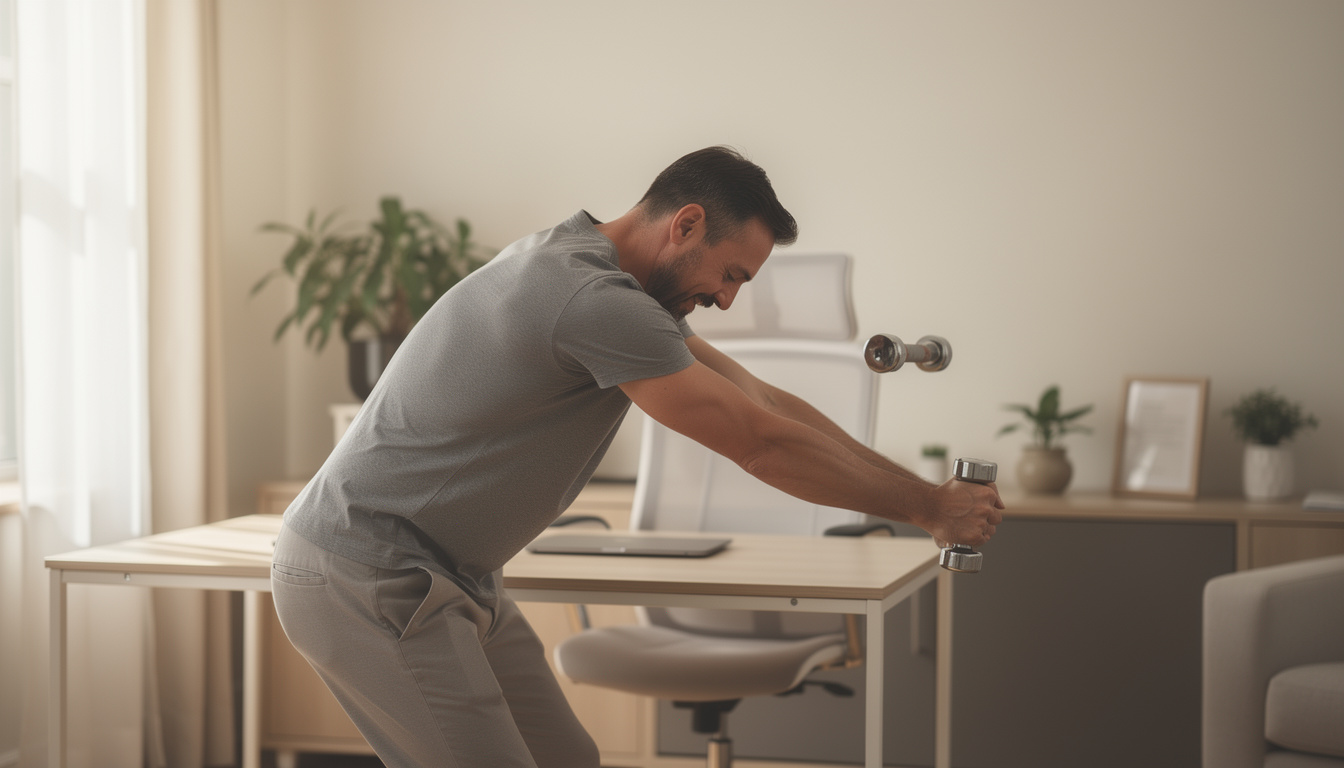
A sedentary job does not ruin your chances of getting fit. It does change the math. Long hours in a chair reduce incidental movement, make workouts feel bigger than they are, and push many people into an all-or-nothing mindset that fails by week two. A better approach starts smaller. If you spend most of the day at a desk, the most effective routine is usually the one that asks for short, repeatable bouts of movement, not dramatic overhauls.
The useful shift is simple: stop treating fitness as a separate project and start building it around the structure of your workday. This guide shows you how to use walking, brief strength sessions, and realistic scheduling to create a plan that survives meetings, deadlines, and low-energy days. You will leave with a weekly framework, a sample plan, and clear rules for progressing without overdoing it.
Why Sedentary Work Changes Your Fitness Routine
Desk work creates a specific problem. You are often mentally tired, but not physically trained. That gap makes a long gym session feel harder than it should, even if your actual starting point only requires 10 to 20 minutes of deliberate movement.
Extended sitting is linked with poorer cardiometabolic health, especially when total daily movement stays low. The federal Physical Activity Guidelines for Americans still recommend at least 150 minutes of moderate-intensity aerobic activity per week plus muscle-strengthening work on two or more days. If you sit for most of the day, your routine should aim to meet that baseline first.
The trap is trying to make up for eight or nine quiet hours with one heroic session. That plan looks efficient on paper. It tends to collapse in real life. A better system spreads effort across the week and uses friction-free habits, especially walking.
Start With the Lowest-Friction Form of Cardio
For most people with a sedentary job, walking is the best entry point. It is accessible, low impact, and easy to repeat. You do not need a commute-sized block of time, technical skill, or a complicated warm-up.
Two brisk 10-minute walks per day gets you to 140 minutes per week. That falls just short of the 150-minute guideline, and it is close enough to prove the larger point: a routine built from small blocks can produce meaningful health returns. Walking also supports balance, cardiovascular endurance, sleep quality, mood, and bone health, while helping slow age-related muscle loss.
If your body does not tolerate walking well, similar low-intensity options can fill the same role. Easy cycling, swimming, rowing, or treadmill walking with a modest incline all work if they stay sustainable.
That is also why many beginner fitness routine guides now favor consistency over complexity. The habit matters first. Optimization can wait.
How to Build a Routine That Fits a Desk Job
A workable routine has to survive busy Tuesdays. It also has to survive the afternoon slump. If your plan only functions on ideal days, it is not really a plan.
Use three layers. First, add daily walking. Second, place micro strength sessions into natural breaks. Third, keep one lighter day each week so soreness does not derail the whole schedule. This structure gives you enough volume to improve, while staying realistic for someone coming off months or years of low activity.
Use Micro Workouts for Strength Training
Strength work does not need an hour. For a previously sedentary adult with no major medical restrictions, 3 to 5 minutes can be enough to start building the habit and cover major muscle groups. The point is not maximum fatigue. The point is regular exposure to movement patterns your body has been missing.
Rotate lower body, upper body, and core-focused sessions. Across a week, that gives each area at least two touches. Over time, this supports basic strength, posture tolerance, and confidence with exercise.
- Lower body: chair squats, split squats holding a desk, glute bridges, calf raises
- Upper body: wall push-ups, incline push-ups on a desk, band rows, light dumbbell presses
- Core: dead bugs, bird dogs, side planks from knees, suitcase carries
If one movement causes joint pain, swap it out. If you have a history of knee, hip, back, or shoulder issues, talk to a physical therapist before you build your plan around loaded movements.
Schedule Movement Around Existing Anchors
Most routines fail at the calendar stage. Put walks before opening your laptop and after work, or attach one to lunch. Place micro workouts after recurring events, such as your first coffee, your noon meeting, or the end of your last call.
This is where structure beats motivation. Behavioral research has repeatedly shown that habits stick better when paired with stable cues. A walk at 7:30 a.m. and 6:00 p.m. requires less decision-making than “I will exercise later.” Later is crowded.
At Fitness Warrior Nation, we have covered the same pattern across pieces on sustainable habit design and how to outsmart a fragile routine. Good plans lower the number of choices you need to make when you are already tired.
| Routine Element | Time Needed | Why It Works for Desk Workers |
|---|---|---|
| Morning Walk | 10 minutes | Raises daily movement early and creates momentum before sitting starts |
| Midday Micro Workout | 3-5 minutes | Breaks up long sitting blocks and covers strength guidelines efficiently |
| Evening Walk | 10 minutes | Helps complete weekly cardio minutes without a large time block |
| One Lighter Day | Variable | Reduces excessive soreness and improves adherence across the week |
If weight loss is one of your goals, walking helps there too, though it works best as part of a broader plan that includes nutrition, sleep, and realistic calorie intake. This is where a measured approach beats extreme restriction. For a practical overview, see these steps for healthy weight loss.
A Simple Weekly Fitness Plan for Sedentary Workers
The most useful routine is often the least glamorous one. Repetition builds capacity. Capacity makes the next step possible.
This sample week is designed for someone with a sedentary job, limited training history, and a clean bill of health. If you are returning after injury, recent surgery, pregnancy, or a long layoff with symptoms like chest pain, dizziness, or unusual shortness of breath, get medical clearance first.
Sample 7-Day Schedule
Monday: 10-minute morning walk, lower-body micro workout during the day, 10-minute evening walk.
Tuesday: 10-minute morning walk, upper-body micro workout during the day, 10-minute evening walk.
Wednesday: 10-minute morning walk, core micro workout during the day, 10-minute evening walk.
Thursday: 10-minute morning walk, lower-body micro workout during the day, 10-minute evening walk.
Friday: 10-minute morning walk, upper-body micro workout during the day, 10-minute evening walk.
Saturday: 10-minute morning walk, core micro workout during the day, 10-minute evening walk.
Sunday: 10-minute morning walk, rest from strength training, 10-minute evening walk.
This plan creates 140 minutes of weekly walking and covers major muscle groups twice. For many adults starting from a sedentary baseline, that is enough to improve stamina and reduce the “everything hurts” phase that follows overambitious starts.
How to Progress Without Burning Out
Most people do not need a harder routine after week one. They need a routine they can still do in week six. Progress should come from small additions, not dramatic jumps.
Use one variable at a time. Add a few minutes to one daily walk. Or increase one micro workout from one round to two. Or add a light dumbbell or resistance band once bodyweight feels easy. Keep your effort around RPE 4 to 6 out of 10 at first. You should finish feeling worked, not flattened.
Watch Soreness and Recovery
Delayed onset muscle soreness for a day or two is common when you restart training. If soreness lasts longer than 48 hours, your current dose may be too high. Scale back and repeat a manageable week instead of pushing through on pride alone.
Pain is different from normal training soreness. Sharp pain, joint instability, numbness, or symptoms that alter your gait are signs to stop and get professional guidance. This is especially important if you have old injuries from sport, manual labor, or past lifting.
If you want extra accountability, social structure helps. Some readers do better with a planned event, group class, or weekend outing than with solo intentions. That is one reason community-based formats like a fitness weekend gathering can work well for habit formation.
Quick Takeaways
Start with walking. Two 10-minute walks per day gets close to weekly cardio guidelines.
Add micro strength sessions. Three to five minutes can cover major muscle groups if you stay consistent.
Attach movement to your schedule. Use existing workday anchors so you rely less on motivation.
Progress slowly. Increase one variable at a time and respect pain signals.
How do I start working out if I sit all day at work?
Start with the lowest-friction option: a 10-minute walk before work and another after work. Then add a 3- to 5-minute strength break during the day, such as chair squats, wall push-ups, or bird dogs. If your job allows it, standing for part of a call can also reduce uninterrupted sitting time.
Is walking enough exercise if I have a sedentary job?
Walking is enough to meaningfully improve your baseline, especially if you have been inactive for months. It supports heart health, mood, sleep, and weight management, but the federal guidelines still advise adding muscle-strengthening work on at least two days per week to maintain lean mass and joint resilience.
How long should workouts be for beginners with a desk job?
They can be much shorter than most people expect. A beginner can make progress with 10-minute walks and 3- to 5-minute micro workouts, then build toward longer sessions later. Consistency matters more than length during the first month because regular practice improves tolerance and confidence.
What if I get sore every time I try to exercise again?
Reduce volume before you quit. Keep the walks easy, cut strength work to one round, and leave a lighter day in the week. If soreness lasts more than two days repeatedly, your body is telling you the dose is too aggressive for your current fitness level.