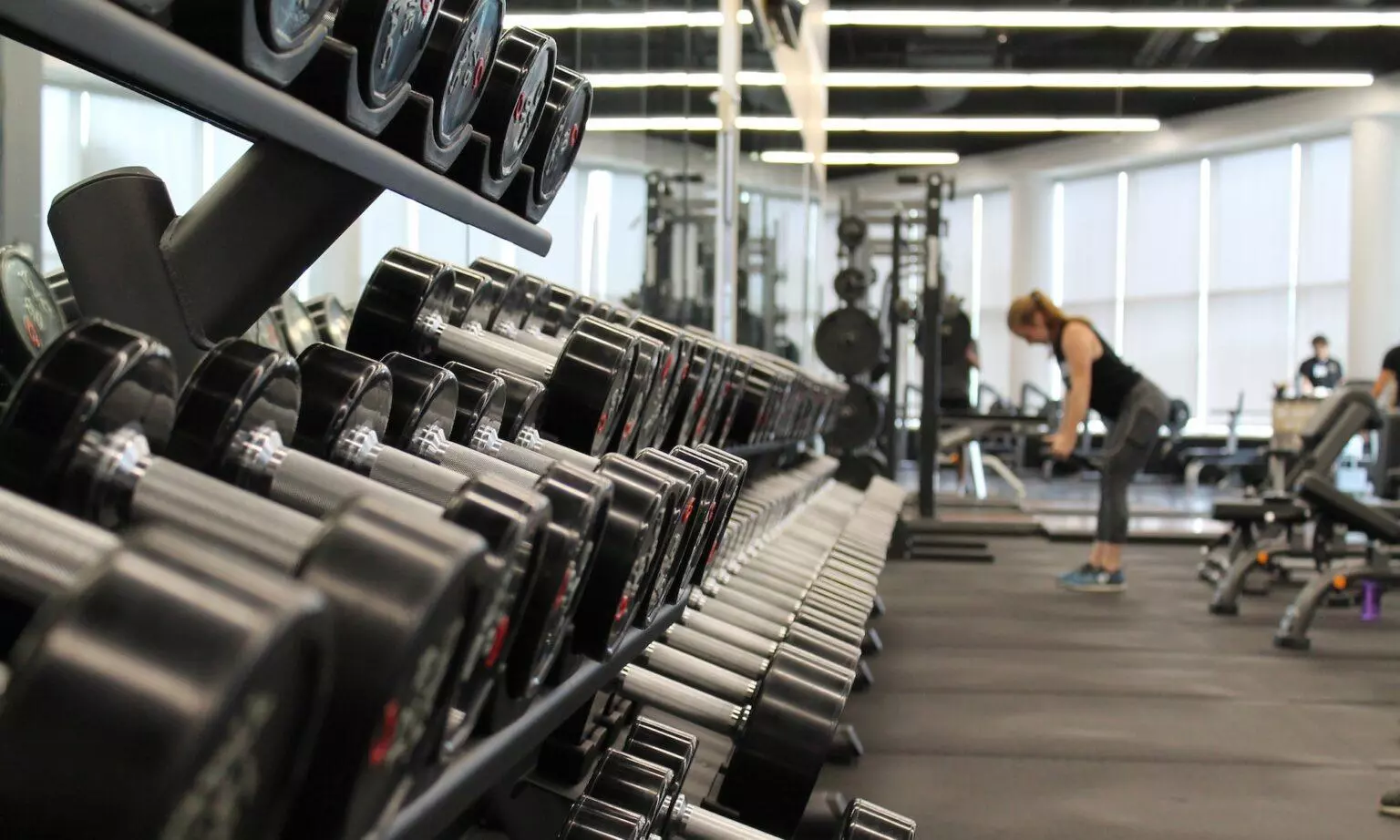

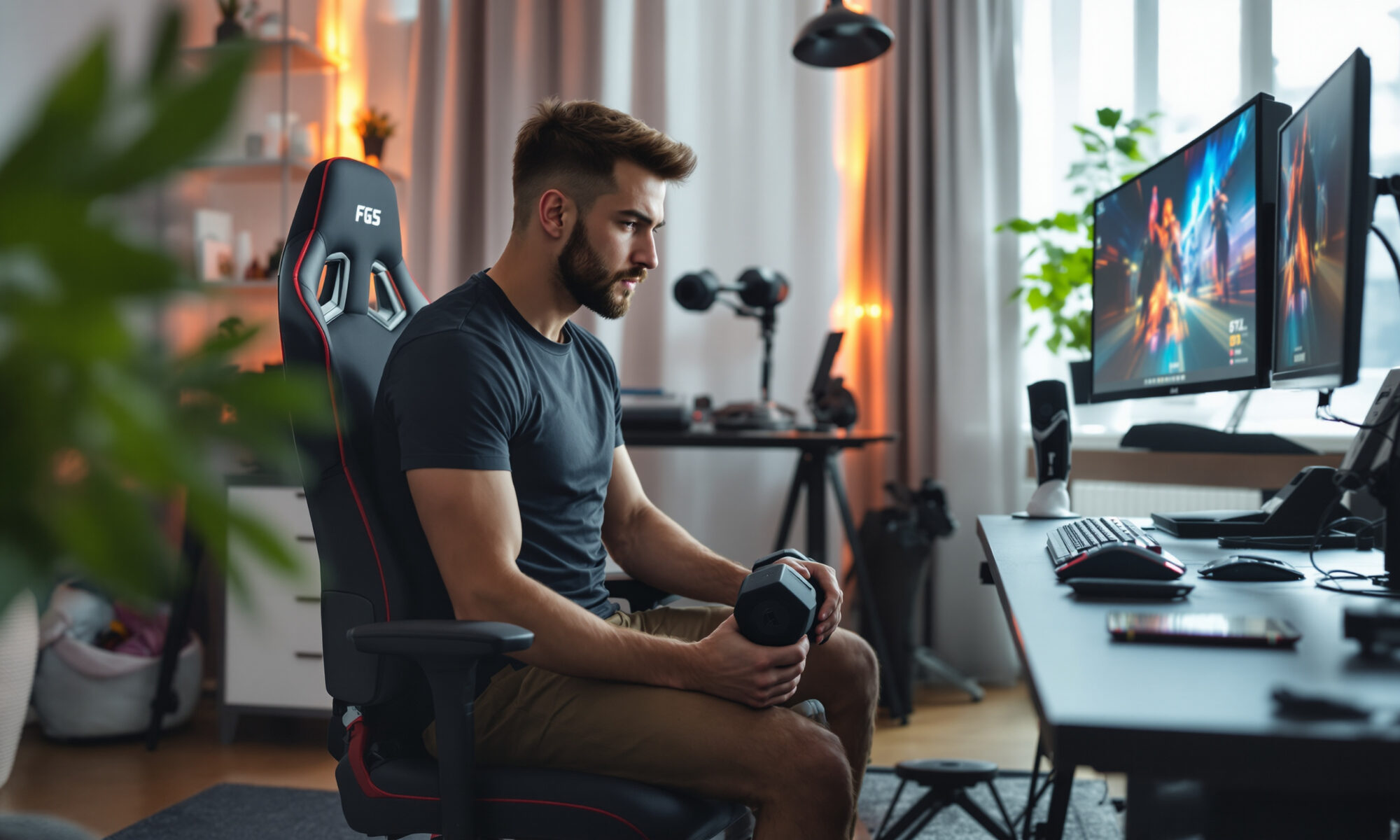
Fitness for gamers is less about appearance and more about staying sharp, comfortable, and durable through long sessions. The evidence-based version is simple: do some aerobic work, lift a bit, break up sitting, protect sleep, and stop treating wrist discomfort as a normal part of gaming. If you play ranked, scrim, stream, or coach for hours, those basics matter far more than exotic hand drills.
Esports performance sits in an awkward middle ground. You need fine motor control, visual attention, decision-making under fatigue, and the ability to tolerate repeated practice blocks without your neck, low back, or forearms revolting. That means fitness for gamers should target posture tolerance, tissue capacity, recovery, and alertness, not bodybuilding for its own sake.
What fitness for gamers should improve
For most players, the goal is not maximal strength or marathon fitness. It is enough physical capacity that your mechanics and concentration hold up deep into a session, especially when stress is high and matches drag on.
Research on physically active adults and athletes consistently links aerobic fitness, sleep quality, and regular exercise with better mood, lower fatigue, and in many cases better executive function. Direct studies in esports players remain limited, often small, and usually short-term. So the strongest case is practical rather than magical: healthier body, steadier brain, fewer missed reps in practice.
This matters most for players who spend long hours gaming or working at a desk. If you game three hours a week, you don’t need an esports conditioning model. If you sit for ten hours, stream at night, and wake up stiff, you probably do.
Gaming posture, wrist pain, and ergonomics
Here’s the myth worth killing: there is no single perfect posture that protects you all day. Ergonomics research over the 2010s and 2020s has leaned away from the idea that one exact sitting position prevents pain. The bigger issue is prolonged static posture, low movement variability, and tissues that are asked to do the same thing for hours.
So yes, screen height, chair support, mouse shape, and desk height matter. But a solid setup does not cancel out six straight hours of sitting with your shoulders elevated and wrists extended.
For gamers, the common problem zones are predictable: neck, upper traps, thoracic spine, low back, hips, forearm flexors and extensors, and the thumb side of the wrist. Competitive mouse-and-keyboard players also spend a lot of time near end-range finger and wrist positions at high repetition counts. If you have persistent numbness, night pain, or weakness, get assessed by a qualified clinician rather than guessing with YouTube mobility fixes.
A better target than “perfect posture” is posture tolerance. Build enough strength and movement variety that one position doesn’t become your prison. Short movement breaks help, and so do quick bouts of activity across the day. If you want a practical model, our piece on exercise snacks and five-minute movement breaks fits gaming schedules better than the usual all-or-nothing gym advice.
Mobility has a place, but it is often oversold. If your wrists are irritated because you click for five hours and never strengthen the forearm, another aggressive stretch is not the answer. The evidence does not support mobility work alone as a solution for repetitive-load problems.
Cardio for gamers: focus, recovery, and stamina
Aerobic training is the most underrated part of fitness for gamers. Better cardiorespiratory fitness improves blood pressure, work capacity, sleep, and fatigue resistance. In broader exercise and cognition research, moderate aerobic training is associated with small to moderate benefits for attention, executive function, and mood, though the size of effect depends on age, training status, and the testing method.
You do not need hard conditioning circuits that leave your hands shaky before aim training. In practice, 20 to 40 minutes of easy cardio, three to four times per week, is usually enough to move the needle.
Zone 2 work is a smart fit here because it improves aerobic base without beating up recovery. If you want the physiology explained without the hype, read our guide to Zone 2 cardio and how to build endurance without burning out. For gamers, the payoff is simple: lower resting stress, better recovery between practice blocks, and less of that foggy feeling after long days.
| Intervention | Practical dose | Best-supported benefit | Main caveat |
|---|---|---|---|
| Easy cardio | 90-150 min/week | Better aerobic fitness, lower fatigue, improved sleep | Studies on direct gaming performance are limited in 2026 |
| Strength training | 2 sessions/week, 30-45 min | Higher tissue capacity, less aches from sitting, better posture tolerance | Going to failure every set can increase fatigue cost |
| Movement breaks | 3-5 min every 45-60 min | Less stiffness, better comfort, more movement variability | Break compliance matters more than drill complexity |
| Sleep target | 8-9 hours/night | Reaction consistency, mood, learning, recovery | Late caffeine and screens still sabotage this |
| Caffeine | 1-3 mg/kg, 30-60 min pre-session | Alertness and vigilance | More than 6 mg/kg raises side effects with little extra upside |
| Creatine monohydrate | 3-5 g/day | Strong support for training; mixed evidence for cognition | May help more under sleep deprivation than when fully rested |
The cheapest cardio option is still walking. In 2026, a basic indoor bike or treadmill often runs from about $250 to $900, but a brisk outdoor walk costs nothing and is good enough for most people. If you want to track progress, our explainer on VO2 max and aerobic improvement gives useful guardrails without pretending every wearable score is gospel.
A practical weekly fitness plan for gamers
You do not need a seven-day optimization spreadsheet. You need a repeatable week that improves capacity without draining the very skill practice you care about.
- Lift twice per week for 30 to 45 minutes: squat or split squat, hinge, row, press, and a loaded carry. Do 2 to 4 sets of 5 to 10 reps, leaving 1 to 3 reps in reserve.
- Do easy cardio three times per week for 20 to 40 minutes. Nasal breathing is fine as a rough cap, but use pace or heart rate if you prefer structure.
- Take a 3 to 5 minute break every 45 to 60 minutes of gaming. Stand up, walk, open the chest, move the hips, and cycle the wrists through comfortable ranges.
- Add 5 minutes of forearm and shoulder work on most days: wrist extension curls, pronation-supination, band pull-aparts, and scapular wall slides.
- Protect sleep four nights out of seven at minimum: consistent bedtime, dimmer light late, and caffeine cut off 8 to 10 hours before sleep if you’re sensitive.
A sample lifting session could look like this: goblet squat 3 x 8, Romanian deadlift 3 x 8, chest-supported row 3 x 10, dumbbell bench press 3 x 8, suitcase carry 3 x 30 meters, wrist extension curl 2 x 15. That covers lower body strength, trunk stiffness, upper-back support, and forearm capacity without wrecking you.
One practical consideration: If you’re used to training every set to failure, that approach makes less sense when your main sport is precision under low-grade fatigue. Our article on training to failure and long-term progress explains why a little reserve is often the smarter trade.
Sleep and recovery for esports performance
Sleep is still the highest-return recovery tool for gamers. Reaction time, motor learning, emotional control, and decision quality all degrade when sleep is cut short, and many players underestimate how much a few bad nights affect consistency more than peak moments.
Sleep extension studies in athletes and healthy adults, including work from the 2010s and 2020s, generally show improved mood, vigilance, and performance markers when people move closer to adequate sleep. The exact transfer to esports is not fully mapped, but the mechanism is hardly mysterious.
Caffeine helps, within limits. Most evidence-based sport and cognition guidance lands around 1 to 3 mg per kg for many people, with some using up to 6 mg per kg, but side effects rise fast: anxiety, tremor, GI upset, and worse sleep later. If your session starts at 8 p.m., the best pre-workout is often saying no to pre-workout.
Creatine is the supplement worth mentioning because it is real, cheap, and well studied for resistance training. The cognitive side is less certain. Some studies and reviews through 2024 suggest possible benefits in sleep deprivation, vegetarian diets, or demanding mental tasks, while others show little effect in rested adults. Our breakdown of creatine monohydrate benefits and common mistakes keeps the claims in bounds.
Wearables can help with trend tracking, but don’t hand your recovery decisions over to a readiness score. Data quality, algorithms, and context matter. If you rely on them, compare the score with your sleep, resting heart rate, mood, and actual performance, not just the app color. We covered that in detail in what wearables get right and wrong about recovery scores.
Useful esports and gaming resources
If you follow competitive titles and want wider context around practice culture, performance habits, and pressure management, these are useful starting points: gaming news, esports coverage, Valorant progression and mental discipline, the wider gaming community, and a thoughtful angle on mental focus under pressure. None replace training data, but they do reflect the environments players actually live in.
FAQ
Does exercise actually improve gaming performance?
Probably, mostly through indirect channels. Better sleep, lower pain, improved mood, and less fatigue are the strongest reasons, while direct reaction-time improvements from training alone are usually modest.
How much cardio should gamers do each week?
A good target is 90 to 150 minutes per week of mostly easy cardio. That is enough for most people to improve aerobic fitness without stealing too much time or recovery from gaming practice.
Can creatine help gamers or esports players?
Creatine monohydrate at 3 to 5 grams per day is strongly supported for strength training and may help some cognitive tasks, especially under sleep loss, but the cognition evidence is mixed. It is useful, not magical.
What causes wrist pain from gaming?
Usually a combination of repetitive clicks, long uninterrupted sessions, high wrist extension, low forearm strength, and poor load management. Mobility can help, but stronger forearms, better breaks, and smarter setup usually matter more.
Is posture the main problem for gamers?
Static posture is a bigger issue than imperfect posture. A decent desk setup helps, but frequent movement, stronger tissues, and enough general fitness do more to keep you comfortable over time.